

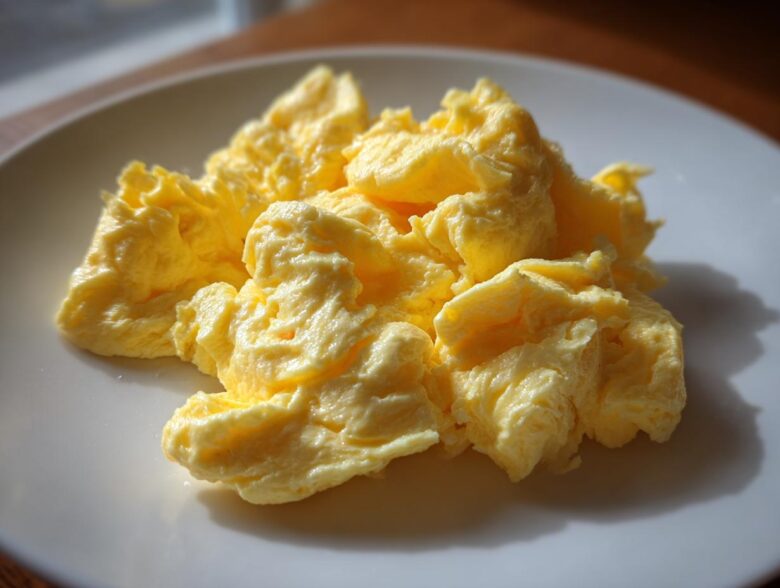
Are you tired of sad, rubbery, dry scrambled eggs that look more like bits of chalk than actual food? Me too! After years of experimenting—and frankly, serving a few breakfasts that were total fails—I finally cracked the code for truly amazing, restaurant-style creamy scrambled eggs. Forget everything you thought you knew about high heat and fast cooking. My foolproof method centers entirely around the low heat egg cooking method, giving you the fluffiest, softest texture imaginable in under eight minutes total.
It took me ages to realize that scrambling eggs isn’t a race; it’s a gentle, slow persuasion. If you’ve ever wondered how chefs get those glossy, velvety eggs, stick with me. I’m sharing everything I learned, from the essential dairy bits to the exact moment you pull them off the heat. You can read a little more about my kitchen journey over at my story page, but trust me, once you try this recipe, you’ll never go back to your old way of making scrambled eggs again.
Why This Creamy Scrambled Eggs Recipe Works (The Ultimate Scrambled Eggs Guide)
Honestly, the biggest secret to achieving the absolute best scrambled eggs isn’t about adding fancy spices; it’s all about waging war against heat! Most people crank the stove up high because they want a quick breakfast, but that immediately turns those beautiful eggs dry and firm. This entire approach, covering everything in this ultimate scrambled eggs guide, relies on the low heat egg cooking method. It’s a slow dance, letting the butter melt gently and warming the eggs gradually.
We leave out the aggressive mixing, too. You notice how I told you not to whisk them into oblivion in the previous step? That’s because we want soft clouds, not stiff peaks. This gentle handling, combined with lower temperatures, is how we build flavor and moisture instead of cooking all the goodness right out of them. If you want to read more about my general kitchen philosophy, check out my main blog page!
Achieving Soft Scrambled Eggs Perfect Texture Every Time
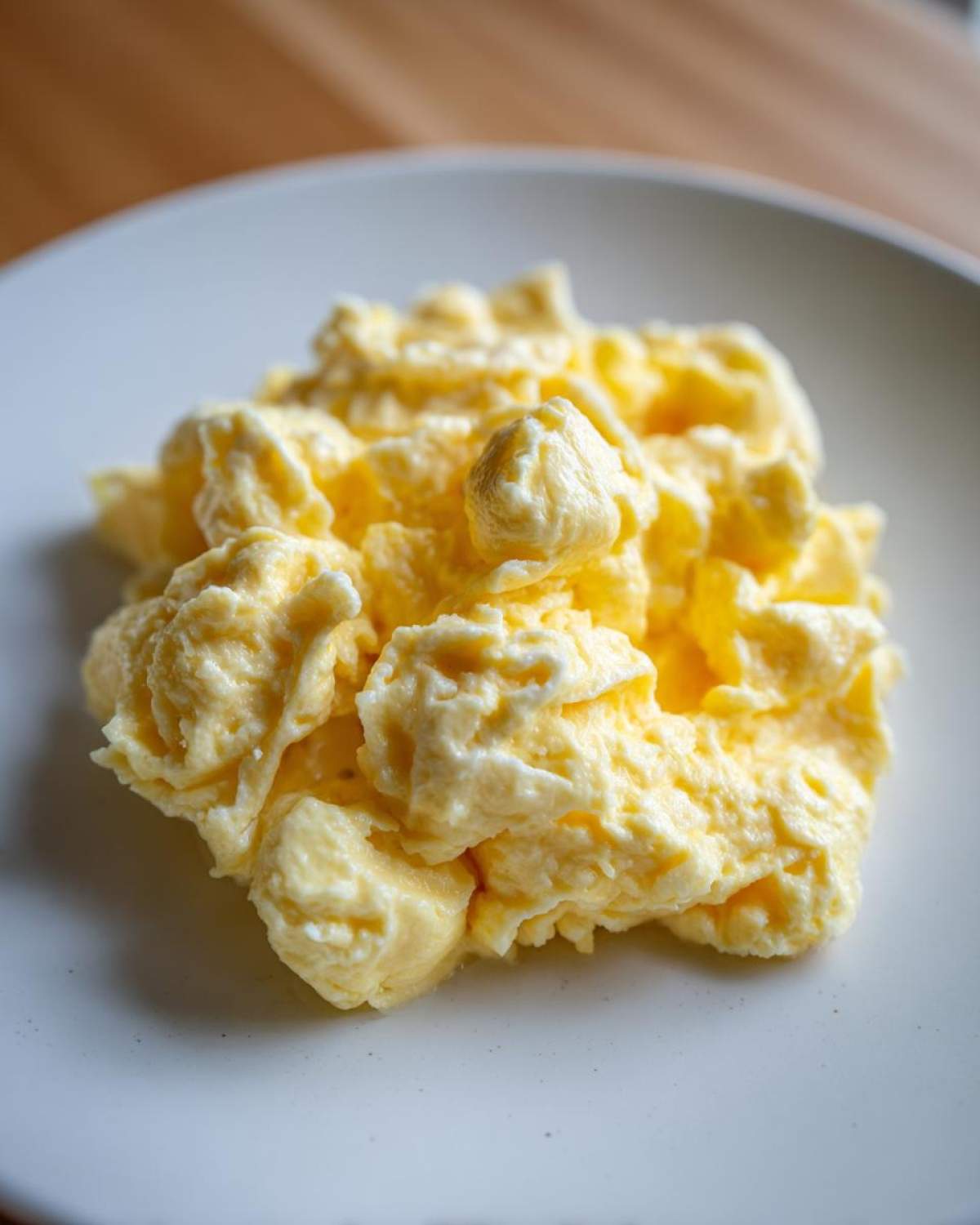
Patience is truly the key ingredient here, my friend. If you’re rushing, you are guaranteed to end up with eggs that feel like they came from a Styrofoam carton. The entire goal for soft scrambled eggs perfect texture is to keep them just barely trembling when you take them off the heat. That little bit of residual warmth from the pan finishes the cooking process on your plate, not on the burner. Trust me, pulling them slightly early is the hardest but most rewarding part of this entire journey!
Ingredients for Perfect Velvety Scrambled Eggs Method
Okay, let’s talk groceries! Building our foundation for these amazing scrambled eggs is simple because we aren’t using a ton of filler. It’s all about quality here, especially the fat and the liquid richness. You only need five things, but pay attention to the dairy component; that’s where the velvety magic starts!
- Three large eggs—fresh ones are always best.
- One tablespoon of unsalted butter. Please, use real butter; it adds necessary richness that oil just can’t touch.
- One tablespoon of heavy cream or whole milk. I lean towards cream for that extra decadent mouthfeel, but whole milk works beautifully too!
- A small pinch of salt.
- A tiny pinch of black pepper.
See? That’s it! No starches, no water—just simple components working together. The heavy dairy product is crucial because it keeps the eggs tender and prevents them from seizing up too quickly when they hit the warm pan. This small ingredient list is the blueprint for the creamy scrambled eggs recipe!
Step-by-Step Instructions for Creamy Scrambled Eggs Recipe
Alright, this is where the movie magic happens, and I promise you, if you follow these steps for our creamy scrambled eggs recipe exactly, you’re going to get the absolute best breakfast of your life. It’s all about slow movement. Don’t rush this process; remember, we want fluffy results, not a fried egg disaster!
Preparing the Eggs and Setting Up the Low Heat Egg Cooking Method
First, crack those three eggs into a small bowl—just a small one, it helps with the gentle whisking. Add your cream or milk, salt, and pepper. Now, here’s key number one: whisk them gently! You want them just combined so there aren’t streaks of white or yolk, but you absolutely don’t want them frothy or airy. Aggressive whisking equals dry eggs later, so just a soft swirl will do the trick. Next, treat your pan right! You must use a good non-stick skillet, seriously, don’t try this in scratched stainless steel. Set that pan over the lowest heat setting your stove offers. Pop your tablespoon of butter in and let it melt peacefully until it’s foamy. That foam means it’s ready to accept our beautiful yolks!
The Gentle Folding Technique for Fluffy Scrambled Eggs Technique
Pour the egg mixture right into that warm, buttery pan. Let it sit there without touching it for about 30 seconds. You’ll notice the edges start to thicken just a little bit—that’s our signal! Now take your rubber spatula and gently push the cooked egg from the edge toward the center. Tilt the pan so that beautiful, wet, raw egg runs underneath the cooked portion. Keep doing this, pushing and folding, moving slowly across the pan. Resist the urge to stir vigorously! This slow pushing action is the core of the fluffy scrambled eggs technique. Continue this gentle process for maybe two or three minutes. The heat stays low the whole time. We are aiming for something that looks wet and incredibly glossy, almost like a thick sauce. As soon as they look mostly set but still look way too wet—I mean, glossier than you think is safe—immediately yank that pan right off the burner. The residual heat will finish cooking your scrambled eggs perfectly to that velvety finish. Try adding a teaspoon of cold butter right now, stirring quickly—it just gives them a bonus sheen!
For cleanup ease, remember that using the right tools for breakfast really makes a difference, but if you want to try making a batch of amazing cheesy scrambled eggs for brunch, hold off on that final stir until the cheese is melted!
Tips for Making Restaurant Style Scrambled Eggs
Okay, so you nailed the low-and-slow part, but how do you get that final, show-stopping gloss that screams ‘I paid $18 for this’? That shine comes from one last little trick I learned watching a chef make delicious eggs years ago. Right before you take the pan off the heat—when those eggs still look slightly too wet—stir in an extra teaspoon of beautiful, cold butter. I’m talking straight from the fridge cold!
That cold fat emulsifies instantly with the warm eggs, stopping the cooking process abruptly while adding incredible richness and that signature glossy sheen. Seriously, this step takes you from ‘good’ eggs to ‘Oh my goodness, what did you put in that?’ eggs. And listen to me: eat them right away! If you plan on running around the kitchen or answering text messages, they will overcook themselves into disappointment on the plate. Get them straight from the pan to your waiting toast. That immediacy is the final secret to truly restaurant style scrambled eggs.
Variations: From Cheesy Scrambled Eggs Variation to Brunch Additions
Once you master the base recipe for these unbelievably scrambled eggs, you start looking for ways to jazz things up, right? I totally get it! The beauty of this low-and-slow method is that it partners well with gentle additions, but timing is everything, especially if you want that amazing, gooey texture.
If you’re itching to make my favorite cheesy scrambled eggs variation, wait almost until the very moment you turn off the heat. You can fold in about a quarter cup of finely grated sharp cheddar or Monterey Jack, stirring just until it melts and incorporates. If you add cheese too early, that dairy content plus the heat will pull too much moisture out too fast, and poof—gone is that velvety texture!
For a lighter touch, which is great for a big best scrambled eggs for brunch spread, try adding some fresh herbs right at the end with that final pat of cold butter. Tender snipped chives or delicate dill work wonders. If you happen to have some leftover roasted veggies, like roasted peppers or sweet potatoes (check out this recipe for sweet potato hash—it’s divine!), stir in just a spoonful near the finish line for substance without sacrificing creaminess!
Making Scrambled Eggs for a Crowd
Now, here’s the reality check. While this recipe makes the most unbelievably creamy scrambled eggs for one person, attempting this low-and-slow method for, say, six people at once? It’s just going to fail spectacularly. You’ll end up with lukewarm, half-cooked sludge. Trust me, I tried!
If you are hosting brunch, you have two good options. Option one: keep this recipe locked down and cook small batches—maybe two servings max—and keep plating them as you go. You’ll need a good warming tray! Option two, for volume, you need to rethink the preparation entirely. For huge amounts of eggs, I usually switch to a baked casserole format (which you can freeze later, check out my burrito recipes for inspiration before you freeze!). We want to preserve the fluffy texture of our individual scrambled eggs, and volume cooking just makes that impossible on the stovetop.
Storage and Reheating Instructions for Leftover Scrambled Eggs
I know, the best scrambled eggs are meant to be eaten instantly, but sometimes life happens! If you do have leftovers, you need to treat them gently to revive that creamy texture. Store them immediately in a small, airtight container; don’t leave them sitting out, even for a minute!
When you reheat them, this is crucial: keep the heat super low or use the microwave in short 10-second bursts. Always stir in a tiny splash of milk or even water before reheating. That little bit of liquid brings back steam and stops the eggs from becoming hard pucks. They taste best within 24 hours, so don’t plan on keeping them for days!
Frequently Asked Questions About Perfect Scrambled Eggs
I get so many questions about changing this recipe, especially when people are trying to whip up quick egg breakfast ideas on a busy weekday morning. Let’s clear up the most common concerns so you can keep making these perfect scrambled eggs!
Can I use high heat for quick scrambled eggs?
Oh, I wish you could! This is the main sticking point for people trying to speed things up. If you use high heat, you are guaranteeing dry, tough eggs because the exterior cooks instantly while the inside is still raw. To get that luscious, creamy scrambled eggs recipe texture we’re chasing, you simply cannot rush the process. You need that 5 to 7 minutes on low heat. It’s the only way we achieve that soft scrambled eggs perfect texture. If you’re in a huge hurry, maybe make toast instead, because rushing these eggs is a recipe disaster waiting to happen!
What makes scrambled eggs fluffy instead of flat?
It all comes down to how you handle the whisking and the stirring—it’s our core fluffy scrambled eggs technique. First, you shouldn’t over-whisk in the bowl; that incorporates too much air, which creates bubbles that pop, leaving you with a flat surface. We want gentle combination, not foam! Second, on the stove, when you’re folding them, you’re creating delicate, soft curds rather than smashing them flat against the bottom of the pan. That gentle folding and low heat keeps the structure light and airy throughout, giving you that wonderful soft feel!
What is the best milk substitute for creamy scrambled eggs recipe?
That’s a great question! While the recipe calls for heavy cream or whole milk because the fat content really helps stabilize the texture, you can substitute. If you’re using skim milk, the eggs will be less rich, so you might want to up your butter slightly or add that cold pat of butter right at the end to compensate for the lost richness. For non-dairy options, full-fat oat milk or creamy cashew milk work better than thin almond milk. But honestly? For the ultimate, velvety scrambled eggs method, stick to the heavy cream if you can manage it. You can find some other great breakfast ideas, like my take on avocado toast, right here!
Why do my scrambled eggs keep sticking to the pan?
If you are having sticking issues, it’s usually one of two things: your pan isn’t truly non-stick anymore, or your heat was too high, burning the bottom layer before the rest could set. Always use a good quality non-stick pan for this method. If your pan is suffering, a little extra butter certainly won’t hurt, but remember, the low heat is designed to cook the eggs gently, not sear them onto the metal!
Estimated Nutritional Data for Simple Breakfast Comfort Food
Since we are talking about a delicious, simple breakfast comfort food here, I know some of you are curious about the numbers. Please remember that this data is just an estimate based on the standard ingredients I use—especially the large eggs and the specific amount of heavy cream. Portion sizes and brands can change things slightly, even when making something as straightforward as scrambled eggs.
- Calories: Around 210
- Fat: About 16 grams (most of that wonderful, rich butter and cream!)
- Protein: Roughly 13 grams
- Carbohydrates: Very low, just about 1 gram
- Sugar: Trace amounts, around 1 gram
This is why this low-heat method is fantastic for breakfast—you get a ton of satisfying protein and high-quality fat to keep you full all morning long without loading up on heavy carbs. Enjoy knowing that you’re eating something truly delicious and quite balanced!
Share Your Best Scrambled Eggs Results
Now it’s your turn! I’ve shared all my secrets for achieving those unbelievably creamy scrambled eggs, from the essential low heat to the final cold butter emulsification. But the best part of cooking is seeing how these recipes turn out in *your* kitchens!
I really, truly hope you give this fluffy scrambled eggs technique a try next time you’re making breakfast. When you do, please—come back right here and leave a star rating. If you loved how soft and velvety they turned out, let me know in the comments below!
If you managed to get that perfect glossy finish, snap a picture! I love seeing your success stories. Tag me on social media when you post your perfect plate of scrambled eggs. If you run into any snags or have questions I didn’t cover, don’t hesitate to reach out through my contact page. Happy scrambling, everyone!
PrintThe Best Creamy and Fluffy Stovetop Scrambled Eggs
Learn the foolproof, low-heat technique to make perfectly creamy and soft scrambled eggs every time.
- Prep Time: 2 min
- Cook Time: 5 min
- Total Time: 7 min
- Yield: 1 serving
- Category: Breakfast
- Method: Stovetop Cooking
- Cuisine: American
- Diet: Vegetarian
Ingredients
- 3 large eggs
- 1 tablespoon unsalted butter
- 1 tablespoon heavy cream or whole milk
- Pinch of salt
- Pinch of black pepper
Instructions
- Crack the eggs into a small bowl. Add the cream or milk, salt, and pepper. Whisk gently until the yolks and whites are just combined; do not over-whisk to incorporate too much air.
- Place a non-stick skillet over low heat. Add the butter and let it melt completely until it foams slightly.
- Pour the egg mixture into the skillet. Let the eggs sit undisturbed for about 30 seconds until the edges just begin to set.
- Using a heat-resistant rubber spatula, gently push the cooked egg from the edges toward the center, tilting the pan so the uncooked egg flows underneath.
- Continue this gentle pushing and folding motion slowly across the pan. Keep the heat low throughout the process.
- Cook until the eggs are mostly set but still look wet and glossy. This low-and-slow method prevents browning and creates a velvety texture.
- Remove the pan from the heat immediately while the eggs are still slightly underdone. The residual heat will finish cooking them to perfection.
- Serve immediately.
Notes
- For extra richness, stir in one teaspoon of cold butter right before removing the eggs from the heat.
- Use a non-stick pan for the easiest cleanup and best results.
- Keep your heat setting low; this is the most important step for creamy eggs.
Nutrition
- Serving Size: 1 serving
- Calories: 210
- Sugar: 1
- Sodium: 150
- Fat: 16
- Saturated Fat: 9
- Unsaturated Fat: 7
- Trans Fat: 0
- Carbohydrates: 1
- Fiber: 0
- Protein: 13
- Cholesterol: 550