

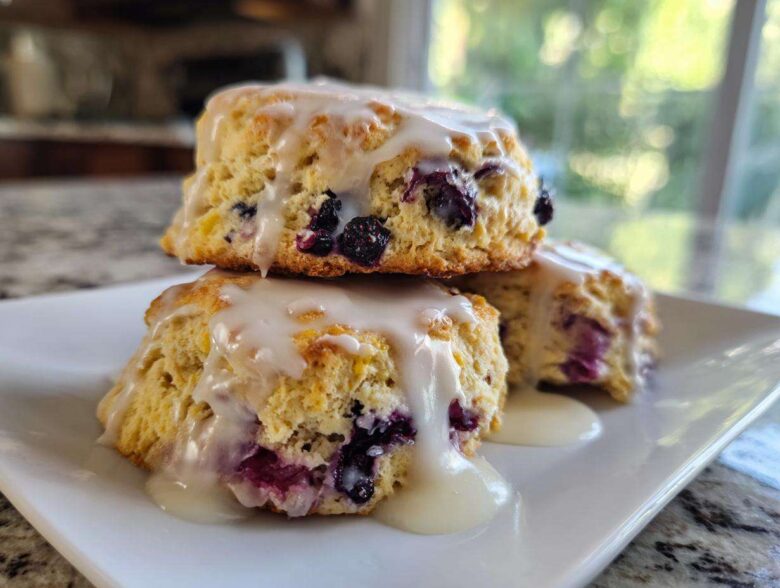
Oh my goodness, I have finally cracked the code! If you are anything like me, you dream about that perfect little bakery treat: flaky layers, bright citrus notes, and a burst of fresh fruit. Well, I am so jazzed to share that my quest for the absolute **Blueberry Lemon Scones** recipe is officially over. For years, my scones were either too dry or a little too tough—you know, like biting into a slightly stale biscuit? Ugh! But trust me, I figured out the secret blend of cold butter and buttermilk, and now my kitchen smells like spring every time I bake a batch. Forget those dense, crumbly things; these are tender, flaky perfection ready in under an hour!
Why You Will Love These Blueberry Lemon Scones
Seriously, once you master this texture, you’ll never go back to the boxed stuff. I use these all the time, and they are always the first thing gone at any casual gathering. Here’s exactly why these Blueberry Lemon Scones recipe went straight into my ‘Keep Forever’ binder:
- They bake up perfectly flaky every single time. That means layers when you pull them apart—no dense hockey pucks here!
- The flavor is just *bursting*! That zing from the fresh lemon zest really cuts through the sweetness of the sugar and the pop of the fresh blueberries. It’s pure sunshine in pastry form.
- They are incredibly fast! We are talking about mixing and baking time that makes these one of the easiest brunch baked goods you can whip up. I can have these done before the coffee even finishes brewing. (Check out my breakfast category for more quick ideas!).
- Minimal ingredients, maximum impact. There’s nothing fussy here; just good, honest baking that tastes straight out of a high-end bakery.
- They freeze beautifully, which means you have a perfect treat ready to go whenever the craving hits.
Essential Ingredients for Perfect Blueberry Lemon Scones
When it comes to the lemon scones from scratch, I cannot stress this enough: temperature control is everything. If you’re tempted to use soft butter just because it’s easier, please don’t! You are actively sabotaging those flaky layers we talked about. We need everything ice cold. This recipe uses basic pantry staples, but their condition makes all the difference in the world.
- 2 cups all-purpose flour
- 1/4 cup granulated sugar
- 1 tablespoon baking powder (Make sure it’s fresh, or they won’t lift!)
- 1/2 teaspoon salt
- 1/2 cup (1 stick) cold unsalted butter, cut into small cubes (Seriously, put it back in the freezer if you walk away!)
- 1 large egg
- 1/2 cup cold buttermilk (This provides that essential comforting tang.)
- 1 teaspoon pure vanilla extract
- Zest of 1 large lemon
- 1 cup fresh blueberries
- For the Glaze: 1 cup powdered sugar
- 2 tablespoons fresh lemon juice
Tips for Ingredient Selection and Preparation
You’ve got your ingredients sitting on the counter, but before you throw them in the bowl, we have a few final checks. For the lemon, you want that bright yellow zest, but don’t go scraping into the white pith underneath—that part is bitter and will ruin the lovely citrus flavor we are aiming for. Just the sunny outer layer, please!
As for those gorgeous blueberries? If they are wet from washing, pat them super dry. Better yet, toss them gently in just a teaspoon of the flour mixture before folding them in. This little step is my secret weapon; it stops the berries from sinking to the bottom of the scone and prevents the surrounding dough from getting too soggy. Trust me, these small touches are how you graduate from making biscuits to making bakery style scones!
Mastering the Technique: How to Make Lemon Scones From Scratch
Alright, let’s get our hands floury! This is where the magic happens, so put your phone down for three minutes and really focus on the mixing. First up, we preheat that oven to a nice hot 400 degrees Fahrenheit—we want to shock the butter into creating steam right away for lift. Grab your parchment paper; we don’t want any sticking drama later!
Next is the classic technique: cutting in the butter. You need those little pea-sized chunks of cold butter to hang around. I use my pastry blender sometimes, but honestly, my cold fingertips work best. You rub that butter into the flour, sugar, and baking powder until it looks like coarse sand with a few bigger butter pebbles mixed in. These butter pockets are literally the architecture of your flaky scone.
When you add the wet stuff—your cold buttermilk mix—start stirring gently with a fork. Stop mixing the second it comes together. I mean it! Overmixing develops gluten, and gluten creates tough scones. We want shaggy dough! Then, very gently, fold in the lemon zest and those floured blueberries. Turn it onto a floured surface and pat it into a circle about 3/4-inch thick. Slice it into wedges, pop them on the sheet, and get them in the oven. You can find my recipe for the Reuben Bake while you wait! Here is a link if you need a savory distraction!
Achieving Flaky Texture in Your Blueberry Lemon Scones
Flakiness comes down to three things, and failing at any one of them means disaster. Rule one: Ice cold everything. Seriously, if the butter melts before it hits the oven, you’ve lost. Rule two: Gentle hands. When you fold in the fruit and mix the liquid, treat that dough like it’s made of spun sugar. We are combining, not kneading, okay?
When you pat the dough out, don’t press it down too hard. Just gently shape it. If you are using round cutters, press straight down; don’t twist the cutter! Twisting seals the edges of the scone and keeps those layers from separating in the oven. We want straight cuts so the dough can soar!

Baking Times and Oven Temperature for Best Blueberry Lemon Scones
That high starting temperature of 400°F is key for getting a good initial rise, which helps create the lift we need for those fluffy edges. You’ll bake these for about 15 to 18 minutes. Don’t peek too early! You’ll see the edges start to firm up and look pale gold.
When they are done, the tops should be lightly golden brown, and if you tap the side—gently, they are delicate—it should sound slightly hollow. Pull them out and let them cool for just about ten minutes on the baking sheet before transferring them to a wire rack. That short cooling period sets the crust before we drown them in glaze!
The Bright Finish: Preparing the Lemon Drizzle Scones Glaze
Okay, the scones are golden and cooling, and now it’s time for the grand finale! A scone isn’t truly complete without that beautiful, slightly cracked, shiny top, right? We are keeping this super simple because these Blueberry Lemon Scones have enough flavor on their own; the glaze is just a sweet, tart hug to finish them off. Seriously, this lemon drizzle is so easy, you’ll wonder why you ever bought store-bought icing.
You just need powdered sugar and fresh lemon juice. That’s it! I start by putting the full cup of powdered sugar into a bowl. Then, I add one tablespoon of lemon juice and whisk like crazy. Nine times out of ten, this is too thick! It will look like cement paste—don’t panic.
This is where you need patience. I mean it: add the extra lemon juice just a few drops at a time. You are looking for a consistency that is pourable but thick enough to hold its shape for a second before running down the sides. If you dump in too much juice, you’ll have to add more powdered sugar, and that throws off our lovely ratio. It’s a slow process, but watching that thick, shiny glaze start to form is so satisfying. This is what separates a good scone from a show-stopping batch of lemon drizzle scones.
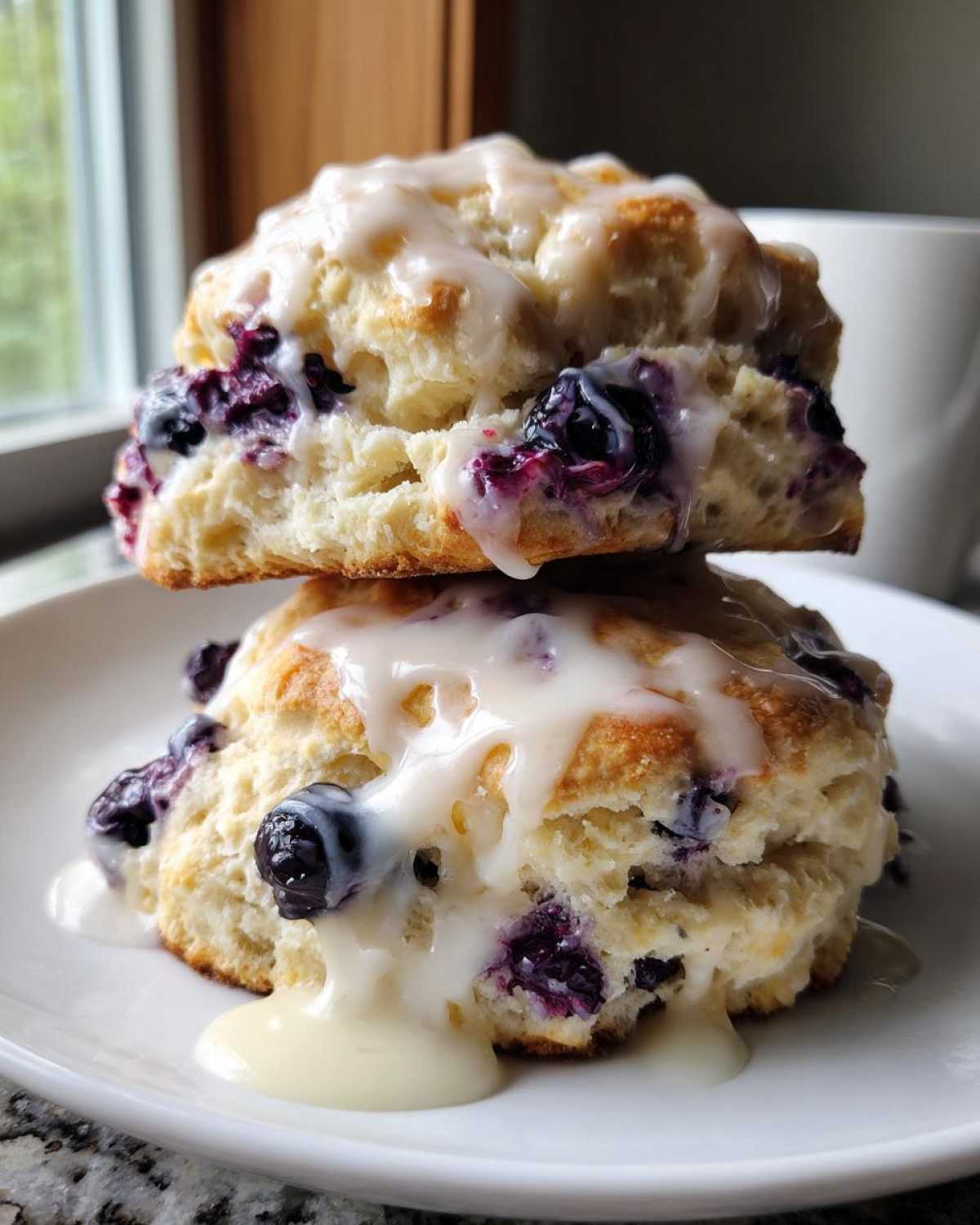
Once you hit that perfect consistency—it should look like thick, slightly runny honey—just take a spoon and drizzle it generously over the tops of the slightly cooled scones. Don’t glaze them when they are piping hot, or the glaze will just melt right into the scone! Let it set for about 15 minutes, and then you are ready to dig in. If you need inspiration for other sweet toppings, I put together this amazing vanilla buttercream recipe, though I prefer the simple glaze here!
Tips for Success with Your Blueberry Scones Recipe
Making Blueberry Lemon Scones is fun, but if you want them to be truly amazing, you need to know the little secrets that keep them from getting sad and dense. I’ve learned these the hard way over many, many batches, so let me save you some trouble! The biggest thing to remember, which I mentioned before, is really about heat management, but there are a couple of other tricks up my sleeve.
First off, let’s talk about keeping those gorgeous berries in check. If you don’t toss your fresh blueberries in a tiny bit of flour before mixing them in, they tend to sink. When they sink, they release too much moisture right at the bottom of the scone, creating that soggy layer we absolutely do not want. A small, light coating of flour acts like a life raft, keeping them suspended nicely as the dough bakes up around them.
Another thing I’ve learned for getting that perfect lift—that beautiful rise—is making sure your baking powder is totally fresh. If your baking powder is old, it won’t react correctly with the buttermilk, and you end up with flatter pastries. It’s such a simple thing, but it makes a world of difference when you are trying to achieve those high, fluffy edges.
Also, if you’re making a big batch, try to work quickly when cutting the shapes. The longer the dough sits out—especially with the butter rubbed in—the warmer it gets. If you have to take a break, just pop the entire tray of cut scones into the freezer for five minutes before baking. That chill sets the butter right before it hits the heat, which guarantees those perfect flaky layers we always want in our sweet biscuit recipe.

If your scones end up tasting a little bland, you might be forgetting the salt! Salt doesn’t just make things savory; it actually brings out the sweetness and the tartness of the lemon. Don’t skip it! Speaking of other fruit bakes, if you love blueberries this much, you absolutely need to bookmark my bakery-style blueberry muffin recipe. It shares a lot of the same science!
Serving Suggestions for Your Lemon Scones From Scratch
Once these beauties come out of the oven, glazed and smelling incredible, the real fun begins: deciding how to eat them! While I’ve definitely eaten a few warm ones, standing right over the cooling rack (don’t judge!), they are truly magnificent when served up nicely. This recipe is perfect for elevating any weekend brunch or for when you decide you deserve a classy little afternoon break.
For the ultimate special breakfast or brunch baked goods presentation, I always serve them on a tiered stand. They look gorgeous piled high! Offer a few simple accompaniments right alongside them. A small bowl of high-quality lemon curd is fantastic—you can never have too much lemon flavor, right? A dollop of clotted cream, or even just good quality salted butter, lets people customize how rich they want their scone experience to be.
If you are using these as tea party treats, which they absolutely deserve to be, keep the accompaniments lighter. A simple cup of Earl Grey or a bright green tea pairs wonderfully and doesn’t overpower the delicate lemon and blueberry notes. I think they are too sweet and bright for heavy red wines, but they would be amazing with a sparkling rosé if you’re having a celebratory brunch!

If you end up with leftovers (which never happens in my house, but I’m planning for you!), they are surprisingly sturdy. I sometimes make a big batch just to nibble on all week. If you’re looking for another amazing, non-sweet dish to balance out your brunch spread, I have this ridiculously easy crockpot beef stew recipe that everyone raves about when they expect something heavier!
Storage and Reheating Instructions for Blueberry Lemon Scones
So, you actually managed to have leftover Blueberry Lemon Scones? Wow, either you have incredible willpower, or you made a double batch like I always do! Don’t worry about them going stale; these pastries hold up remarkably well, but we need to treat them right to keep that flaky texture you worked so hard to achieve.
If you didn’t glaze them yet, that’s best! They last longer if you skip the sugar topping until the moment you plan to eat them. I just let them cool completely first—otherwise, you trap moisture and get a soggy situation. Once they’re cool, wrap them up tight. I use plastic wrap first, then pop them into a good quality airtight container. Stored this way at room temperature, they are great for up to two full days. If they’ve already got that beautiful lemon glaze on them, I usually only keep them out for one day before chilling them, just to be safe.
If you need more storage time, the freezer is your friend! Wrap each cooled, unglazed scone individually in plastic wrap before bagging them together. They freeze beautifully for about a month. When you pull them out, let them thaw on the counter for an hour or two.
Now, for the absolute non-negotiable step: reheating! Microwaving scones is a crime, honestly. It makes them kind of rubbery. The best way to revive that fresh-baked texture is the toaster oven or a conventional oven. Set your oven to about 325 degrees Fahrenheit. Pop the scone in for just 5 to 7 minutes. You want the outside to warm up and maybe get slightly crisp again, and the butter inside to soften just a touch. It brings back that incredible fresh-from-the-oven flakiness instantly. You won’t believe they weren’t baked ten minutes ago!
Common Questions About Making Bakery Style Scones
I know sometimes baking from scratch can bring up a few wrinkles. Trust me, I’ve had to figure out the hard way what works and what totally flops! People always ask me specific things about my Blueberry Lemon Scones recipe, especially when they are looking to nail that gorgeous, fluffy texture. So, let’s tackle a few of the most common issues right here, so you can bake with total confidence!
I’m going to answer the big ones that usually pop up after readers try my recipe for the first time. If you’re aiming for the perfect tea party treats that look like they came from a high-end shop, these little nuggets of advice will help you get there!
Can I substitute the buttermilk in this Blueberry Lemon Scones recipe?
Oh goodness, yes, this question comes up constantly! Sometimes you just don’t keep buttermilk scones recipe ingredients on hand, and that’s okay! Buttermilk is awesome because the acid reacts with the baking powder for a great lift, plus it adds moisture. If you don’t have any, you can make a quick substitute that works nearly as well.
Take a standard measuring cup and pour in a half-cup of regular milk—any kind will do, whole milk is best for richness. Then, stir in half a teaspoon of white vinegar or fresh lemon juice. Just let that mixture sit on the counter for about five minutes. See how it gets a little thicker and curdled? That’s your homemade buttermilk, ready to go! It gives you that necessary tang and reaction without needing a special trip to the store. I even link to my favorite homemade English muffins recipe where I use this same trick!
How to ensure my scones are fluffy and not dense?
If you take one thing away from this whole blog post, let it be this: Cold butter and minimal mixing are the keys to fluffy lemon scones from scratch!
We talked about cutting the butter into the flour, but seriously, keep it cold. When those cold chunks hit the hot oven, they melt quickly and release steam, creating little air pockets that push the dough up. That’s flakiness! If your butter melts into the flour before it bakes, you just get a fatty, dense pastry, which is exactly what we are trying to avoid.
The second part is mixing. Once you add the wet ingredients, you mix until you can *just* see the dry spots disappear. As soon as it looks like a shaggy, sticky ball, STOP. Seriously, put the spoon down. If you keep stirring, you activate the gluten in the flour, and gluten wants to be elastic and chewy—which is great for bread, terrible for scones! Treat that dough with kindness, barely touch it, and it will reward you with the best texture.
Also, remember the high heat! A hot oven (400°F) sets the outside of the scone fast, trapping all that steam inside so it rises upward instead of spreading out. A slow oven lets the butter warm up too much before the crust sets, leading to flatter pastries. Keep everything cold and work fast for those perfectly fluffy layers!
Variations on the Classic Blueberry Lemon Scones Recipe
I love that my basic framework for these Blueberry Lemon Scones is so solid that you can basically use it as a blank canvas for whatever sparks your fancy! While the combination of bright lemon and sweet berry is truly unbeatable, sometimes you just need a little shake-up in your routine. Never fear, friends, adapting this recipe is super easy, and it lets you customize your treat for any occasion!
One of my favorite ways to switch things up—especially when I want a bit of crunch but don’t want to mess with the fruit—is to add poppy seeds. If you decide to make this switch, keep the lemon zest but fold in about two tablespoons of poppy seeds along with your dry ingredients. They just add such a fantastic, sophisticated visual element to what is already a beautiful bake. If you’re into that bright citrus look, you should definitely check out my fudgy lemon brownie recipe too!
If you want to lean harder into the tang, swap out the lemon for lime! Lime zest and blueberries are also an incredible pairing. You’ll want to make sure you switch to a lime glaze too, just using lime juice instead of lemon in the powdered sugar—it’s surprisingly refreshing.
Now, for the wild card, though you have to change the glaze: What about going savory? If you omit the sugar entirely, leave out the blueberries, and swap the lemon zest for one teaspoon of dried thyme and a half-cup of finely shredded sharp cheddar cheese, you have the best savory biscuit ever. Skip the sweet glaze entirely and serve those savory scones with soup or chili. It’s shocking how well that buttery base works with savory additions. It proves that these flaky tea scones can serve you well for breakfast or dinner!
PrintBlueberry Lemon Scones

A recipe for tender, flaky scones featuring fresh blueberries and bright lemon flavor, topped with a simple lemon glaze.
- Prep Time: 20 min
- Cook Time: 18 min
- Total Time: 38 min
- Yield: 8 servings
- Category: Breakfast
- Method: Baking
- Cuisine: American
- Diet: Vegetarian
Ingredients
- 2 cups all-purpose flour
- 1/4 cup granulated sugar
- 1 tablespoon baking powder
- 1/2 teaspoon salt
- 1/2 cup (1 stick) cold unsalted butter, cut into small cubes
- 1 large egg
- 1/2 cup cold buttermilk
- 1 teaspoon pure vanilla extract
- Zest of 1 large lemon
- 1 cup fresh blueberries
- For the Glaze: 1 cup powdered sugar
- 2 tablespoons fresh lemon juice
Instructions
- Preheat your oven to 400 degrees Fahrenheit (200 degrees Celsius). Line a baking sheet with parchment paper.
- In a large bowl, whisk together the flour, granulated sugar, baking powder, and salt.
- Cut the cold butter into the dry ingredients using a pastry blender or your fingertips until the mixture resembles coarse crumbs with some pea-sized pieces of butter remaining.
- In a small bowl, whisk together the egg, buttermilk, and vanilla extract.
- Add the wet ingredients to the dry ingredients. Mix gently with a fork until just combined. Do not overmix.
- Gently fold in the lemon zest and fresh blueberries. The dough will be shaggy.
- Turn the dough out onto a lightly floured surface. Gently pat the dough into a 3/4-inch thick circle or rectangle.
- Cut the dough into 8 wedges or use a round cutter to cut out scones. Place the pieces on the prepared baking sheet, leaving about 1 inch between them.
- Bake for 15 to 18 minutes, or until the tops are lightly golden brown.
- While the scones cool slightly, prepare the glaze: Whisk together the powdered sugar and lemon juice until smooth. Add more lemon juice, a few drops at a time, if the glaze is too thick.
- Drizzle the lemon glaze over the warm scones. Let the glaze set before serving.
Notes
- For flaky scones, keep your butter and buttermilk very cold.
- Toss the blueberries lightly in a teaspoon of flour before adding them to the dough to prevent them from sinking to the bottom.
- If you do not have buttermilk, mix 1/2 cup of regular milk with 1/2 teaspoon of white vinegar or lemon juice and let it sit for 5 minutes before using.
- Store cooled, unglazed scones in an airtight container at room temperature for up to 2 days. Reheat briefly in a toaster oven for best texture.
Nutrition
- Serving Size: 1 scone
- Calories: 310
- Sugar: 18
- Sodium: 210
- Fat: 15
- Saturated Fat: 9
- Unsaturated Fat: 6
- Trans Fat: 0
- Carbohydrates: 40
- Fiber: 1
- Protein: 5
- Cholesterol: 55