

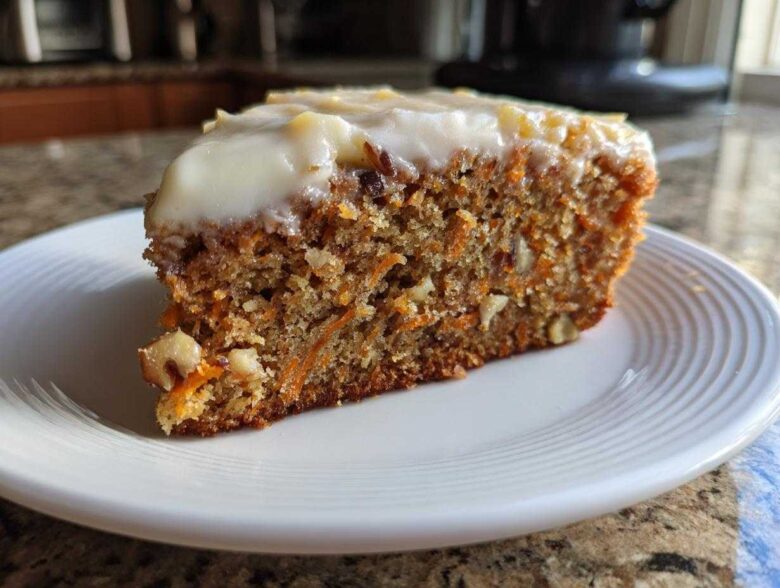
Listen to me, because this is the final word on the matter: if you’ve ever had a dry, sad, lackluster piece of carrot cake, you can forget about it forever. Seriously. I remember the first few times I tried this, it was hit or miss, but after years of tweaking and frankly, demanding perfection from my batter, I finally landed on what I call the ultimate moist carrot cake recipe. This isn’t just any baked good; this is the one that gets speechless reactions at every single potluck.
I finally cracked the code for the most foolproof, rich, and perfectly spiced carrot cake recipe, and yes, it comes topped with a cream cheese frosting that is so silky smooth it feels like cheating. My secret weapon comes down to how much oil I use versus butter, but I’ll tell you all about that in a minute. We’re aiming for tender crumb, beautiful spice, and zero dry corners. If you’ve been wanting to make the best layered cake for Easter or just a Tuesday, grab your bowls, because we’re starting now. You can read a bit more about what drives my passion for baking over at my About Me page!
Why This is the Best Carrot Cake Recipe for Guaranteed Moisture
I know what you’re thinking: another carrot cake recipe? But stick with me here. The reason this one guarantees a genuinely moist carrot cake every single time comes down to a few non-negotiable ratios. We aren’t chasing fluffy, airy cake here; we are chasing deep, rich moisture that lasts for days. If you’ve struggled with how to make carrot cake moist before, it’s probably because you skimped on the oil or used too much white sugar. Those mistakes end right now!
Key Ingredients for the Ultimate Moist Carrot Cake Recipe
The biggest difference-maker in making this the best carrot cake recipe is the fat ratio. We use oil, not butter, for the main fat. Oil stays liquid at room temperature, which means your cake instantly feels softer and stays moist longer than a butter-heavy cake. Don’t skip the carrots either; I use a whole pound of them! That sheer volume of fresh vegetable matter locks in moisture while baking.
Also, notice we use both granulated and brown sugar. The brown sugar is critical. It has molasses in it, which not only adds that deep, caramelized spice background but also attracts and holds onto moisture. This combination of oil, heaps of carrots, and that dark sugar is the triumvirate for cake success. Seriously, skip any recipe that tries to use all butter—it just won’t have this same tenderness.
Gathering Ingredients for Your Classic Carrot Cake Recipe
Okay, ingredient prep is where you set yourself up for success with this classic carrot cake recipe. If your ingredients aren’t ready, the mixing gets rushed, and nobody wants rushed mixing! I’ve broken down the list into the cake needs and the frosting needs. Have everything measured out before you even think about turning on the mixer. As a bonus, if you love that rich pairing, you might want to check out my favorite pumpkin spice cake recipe!
Cake Batter Components
For the actual spiced cake, you need two groups of things: the dry guys and the wet guys. Remember, we want 3 cups of carrots, and please, please grate them fresh! If you use pre-shredded, it’s like adding sawdust. And for the nuts—I use pecans, but walnuts are just as good—make sure they are chopped small so they tuck nicely into the layers.
- Flour: 2 cups of all-purpose flour, nothing fancy here.
- Leavening Agents: 2 teaspoons baking soda (this gives us the lift we need!).
- Spices: 1 teaspoon ground cinnamon and 1/2 teaspoon ground nutmeg. This combo smells like heaven!
- Salt: Just 1/2 teaspoon to balance all that sweetness.
- Oil: 1 cup of simple vegetable oil—this is our key moisture player!
- Sugars: 1 1/2 cups granulated sugar and 1 cup of light brown sugar, packed down hard.
- Eggs: 4 large eggs, make sure they aren’t ice cold.
- Flavor: 2 teaspoons vanilla extract.
- The Star: 3 cups of freshly grated carrots (about a full pound of carrots).
- Nuts (Optional): 1 cup chopped pecans or walnuts. Fold these in last!
Perfect Cream Cheese Frosting Ingredients
This frosting is non-negotiable for me. It has to be tangy, sweet, and smooth as velvet. The most important thing here is that your cream cheese and butter must be softened—and I mean *softened*, not melted or even remotely melty. If they are too cold, you’ll end up with lumps, and we simply can’t have that.
- Cream Cheese: 8 ounces, softened.
- Butter: 1/2 cup unsalted butter, softened.
- Sweetener: 4 cups of powdered sugar, sifted! Sifting is essential to avoid gritty frosting.
- Flavor: 1 teaspoon vanilla extract.
- Tang: 1 tablespoon of fresh lemon juice. That little bit of acid cuts the richness perfectly.
Step-by-Step Instructions for the Easiest Homemade Carrot Cake Recipe
You’ve got your ingredients lined up, you’re feeling confident, and now it’s time for the assembly! Don’t panic about a complicated process; this is actually one of the easiest homemade carrot cake recipes when you follow the order. The key here is respecting the batter and not messing with the chemistry once things start combining. If you are looking for other straightforward bakes, check out my simple cake recipes collection!
Preparing the Cake Batter for this Carrot Cake Recipe
First things first, get that oven cranking to 350°F (175°C). This is crucial, so don’t wait until the batter is ready to preheat!
Grab two bowls. In a medium one, you want to whisk together all your dry stuff: the flour, baking soda, cinnamon, nutmeg, and salt. Whisking them well means they spread out evenly, so you won’t hit a pocket of pure baking soda later—trust me, that tastes awful.
In your big mixing bowl—the one you’ll probably use your electric mixer on—combine the oil, both sugars, eggs (one at a time!), and the vanilla. Beat this until it looks nice and uniform.
Now, the crucial part: add the dry mixture to that wet mixture slowly. I do this gradually, mixing on low speed just until the flour streaks disappear. Stop mixing! I mean it, stop right there. If you keep going, you develop gluten, and that’s how you get tough cake instead of tender cake. You want the batter to look a little loose.
Finally, gently fold in those lovely grated carrots and the chopped nuts, if you’re using them. Folding ensures you don’t deflate all that air you just incorporated. You’re done mixing!
Baking Times and Cooling for Layered Carrot Cake
Take your carefully prepared batter and divide it evenly between your two greased and floured 9-inch round pans. Try to make them look the same so your layers stack up nicely.
Bake these beauties for about 30 to 35 minutes at that 350°F heat. How do you know they’re done? Insert a wooden pick right into the center. If it comes out clean or with just a few moist crumbs clinging to it, you are golden. If you see wet batter, give it five more minutes.
Resist the urge to unmold them immediately! Let the cakes cool down in those pans for a good 10 minutes. This slight cool-down period helps them firm up before you try to flip them out. After 10 minutes, invert them onto a wire rack. They must be completely, totally cool to the touch before you even think about frosting them. If the cake is warm, the frosting just turns into a runny, greasy mess!
Creating the Cream Cheese Frosting for Your Carrot Cake Recipe
Alright, now that the cake layers are cooling—and trust me, smelling them bake is half the fun of this carrot cake recipe—we tackle the crowning glory: the cream cheese frosting. This has to be perfect, or it just ruins the whole experience, right? We aren’t aiming for some stiff, sugary pile; we want that luxurious, tangy spread that melts just right when you bite into the spiced cake.
The absolute key to getting this right, and avoiding those annoying cream cheese lumps, is temperature. Both your 8 ounces of cream cheese and your 1/2 cup of butter must be genuinely soft. I usually leave them out on the counter for at least an hour before I start. If you rush this step, you’ll spend the next ten minutes beating air into lumps, and that’s just wasted energy.
Start by whipping the cheese and the butter together in your mixer until they look completely uniform—pale, fluffy, and no streaks of yellow butter showing through. Once smooth, slowly start incorporating those 4 cups of sifted powdered sugar. I mean slow! Add it like a gentle rain so you don’t create a sugar cloud that takes over your entire kitchen. Mix on low until it’s just incorporated, then kick up the speed and beat it until it’s really smooth and creamy.
Finally, we add the flavor enhancers. That 1 teaspoon of vanilla is standard, but that 1 tablespoon of fresh lemon juice? That’s where the magic is. It gives the frosting that signature salty tang that cuts through how sweet the cake is. Beat it in for about 30 seconds, and you’re done! If you happen to love cream cheese frosting on other things, you absolutely have to try the batch I use on my Starbucks-style pumpkin muffins.
Wait until those layers are stone cold before you start frosting. A warm cake melts the butter and makes the whole thing slide around. If you get that frosting onto cooled layers, you’ll have such a professional-looking, delicious carrot cake recipe result. It’s worth the wait, I promise!
Tips for Success with Your Spiced Carrot Cake
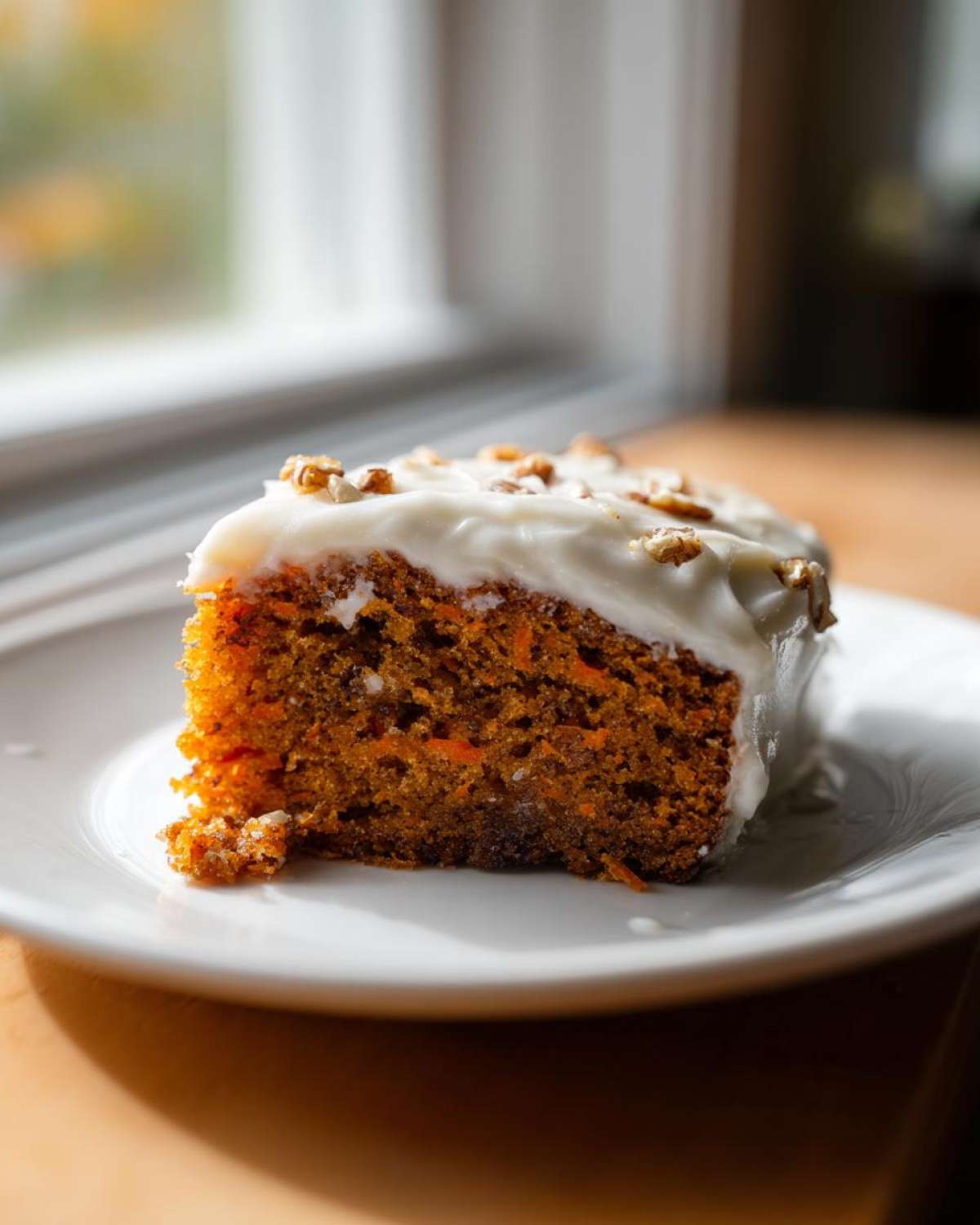
Making this carrot cake recipe is really easy once you know the few subtle tricks that take it from good to absolutely unforgettable. These aren’t complicated steps; they are just little bits of know-how that ensure your cake is perfect every single time. When I look back through my recipe cards, these are the notes I scribbled in the margins about technique!
First, let’s talk about the carrots again because I can’t stress this enough: grate them fresh! Those bagged carrots are usually dry and waxy. Fresh carrots give you that essential moisture and a beautiful texture, which is the whole point of a great spiced carrot cake. You need that water content from the vegetable itself to steam the cake perfectly from the inside out.
If you want an extra flavor kick without changing the core look of the cake, you can always follow my note about adding crushed pineapple! You’ll need to drain it really, really well—squeeze out every drop of excess liquid—and then gently fold in about a half cup along with your carrots. Pineapple brings this wonderful little tang that beautifully complements the cinnamon and nutmeg in the batter. It’s sneaky good!
Here’s my own little expert tip about spices, since we’re deep into baking territory now. Cinnamon and nutmeg are fantastic, but if you find your local spices aren’t super potent, don’t be afraid to use just a tiny bit more nutmeg than written. Nutmeg really sings with carrot, but you have to be careful not to go overboard—it can taste soapy if you use too much. I usually add a scant extra pinch of nutmeg and maybe another 1/4 teaspoon of cinnamon.
Lastly, if you decide halfway through that you don’t want two layers and want a big, easy carrot sheet cake instead? No problem! Use a 9×13 inch pan. It will just need a little longer in the oven, probably around 35 to 40 minutes instead of 30 to 35. Check it early, though, because sheet cakes cook faster on the edges.
These little adjustments are what turn a standard bake into your family’s signature dessert. When you try these tips, I think you’ll find this is consistently the best carrot cake recipe you’ve ever made. For more cozy, warm bakes, you should sneak a peek at my hearty apple cinnamon muffins!
Storage and Reheating Instructions for Leftover Carrot Cake Recipe
I’m going to be honest: sometimes this carrot cake recipe disappears faster than I can store it! But if, by some miracle, you have leftovers, we need to handle them properly or that beautiful moisture we worked so hard for will vanish. Because we’ve got that incredible cream cheese frosting, refrigeration is your best friend here, but it needs a little planning.
If your cake is fully frosted, you absolutely must cover it tightly before putting it in the fridge. I usually use a large cake dome, but if you don’t have one, plastic wrap works just fine. The main goal is to seal out the dry air of the refrigerator. If you don’t cover it, the cake edges will start hardening up within a day, and that’s a tragedy.
When stored correctly in the fridge, this cake holds up beautifully for about four to five days. Even after three days, it still tastes incredibly fresh, thanks mostly to that oil base we chose for this carrot cake recipe! It’s far better than a regular butter cake in terms of longevity.
Now, here is the crucial step: nobody ever wants to eat cold cream cheese frosting—it’s too stiff and the flavor gets muted. Before you serve any slice of leftover moist carrot cake, take it out of the fridge first. I recommend letting it sit on the counter for at least 30 to 45 minutes. This gives the butter and cheese in the frosting time to soften back up, making the texture luscious again, and it lets the spices in the cake wake up!
If you’re only saving a single slice, I sometimes skip the big plastic wrap and just use a small piece of wax paper loosely tented over it. It prevents the plastic from touching the frosting, keeping those nice peaks intact. Trust me, serving beautifully tempered cake slices makes everyone think you just baked it fresh!
Variations on the Classic Carrot Cake Recipe
Even though this carrot cake recipe is fantastic exactly as written, sometimes you just need to shake things up a little, right? Maybe you’re out of pecans, or maybe you’re tired of two square layers but don’t want to skip dessert! I always keep a few swaps in my back pocket to keep things interesting while maintaining that core moist texture we work so hard for.
If you’re feeding a crowd or transporting this cake is a nightmare, don’t sweat those layers. You can easily turn this batter into a fantastic Carrot Sheet Cake. Just pour it all into a greased 9×13 inch pan. You’ll need to bake it a touch longer—plan on about 35 to 40 minutes—but you can then frost the whole thing right there in the pan! It’s perfect for casual parties.
Or, if you want something super easy to serve, think about making Carrot Cake Bars Recipe! Line a 9×13 pan with parchment paper—hanging the edges over makes lifting them out so much easier later—pour in the batter, bake it exactly like the sheet cake, and then cut it into squares once it’s completely cooled. They are great for packing into lunchboxes!
Another popular swap that I love is adding coconut. If you like a little chewiness, fold in about 1 cup of sweetened shredded coconut when you add the carrots and nuts. It pairs unbelievably well with the spices.
If you’re hosting someone who can’t do gluten, don’t panic! We can still save this amazing carrot cake recipe format. Check out the next tip for quick advice on making it work, or if you want another great spiced alternative, you should look at my caramel apple cupcakes!
Gluten Free Carrot Cake Variations
Making this from scratch carrot cake recipe gluten-free is surprisingly simple because we rely so much on the liquids—the oil and the carrots—to keep things moist, not the gluten structure itself. If you are swapping flour, the best advice I can give you is to use a high-quality 1:1 gluten-free baking blend. These blends already have xanthan gum mixed in, which helps mimic the structure that wheat flour usually provides.
The most important thing is to measure your GF flour blend accurately, usually by spooning it gently into the measuring cup and leveling it off. If you scoop it directly from the bag, you’ll pack too much in, and that’s when gluten-free cakes tend to get crumbly or dry quickly. Stick to the ratio, and you’ll still have a wonderfully moist carrot cake that everyone can enjoy!
Frequently Asked Questions About This Recipe
I know you might still have a few little questions swirling around before you commit to baking this masterpiece. That’s totally normal when you’re using a new, trusted carrot cake recipe! I’ve gathered up the things readers ask me most often after they’ve tried this bake. Don’t be shy about sending me a message on my contact page if yours isn’t listed, though!
Can I use pre-shredded carrots for this recipe?
While I really, really advise against it, I know life gets busy! If pre-shredded carrots are your only choice, you need to be ready to compensate. Those bags are drier, so you should add maybe an extra tablespoon or two of oil to the wet ingredients to boost moisture back up. Also, toss those pre-shredded shreds with a tiny splash of water in the bowl before adding them to the batter, just to wake them up a bit. But truly, the best flavor and texture come from grating them yourself!
How do I prevent the frosting from getting runny?
This is almost always a temperature issue, sweetie! The number one reason the cream cheese frosting gets runny is that your butter or cream cheese was too warm when you started mixing, OR you added the powdered sugar too fast. Make sure everything is softened but still cool to the touch before you start whipping. If it starts looking too soft while you are mixing, stick the whole bowl in the fridge for ten minutes—yes, really!—and let it firm up before adding your final bit of sugar.
Can I make this cake ahead of time?
Yes, you totally can, and I often do for big holiday dinners! Unfrosted cake layers wrap tightly in plastic wrap and freeze beautifully for several weeks. When you are ready to frost, just thaw them completely on the counter first. If you are frosting ahead of time, make sure the cake is fully cool, cover the whole thing well, and keep it refrigerated for up to five days. Remember to bring that frosted cake to room temperature for about 45 minutes before serving for the best texture contrast between cake and frosting!
Why does my cake sink a little in the middle?
That sinking feeling usually means one of two things when baking a rich cake like this. Either you overmixed the batter after adding the flour (which develops too much gluten and forces the middle up too fast before baking out) or you opened the oven door too early while it was still setting up. Stick to the recipe and don’t peek until the last ten minutes of baking time. If you followed the instructions to mix minimally, the oil and sugar balance should keep it nice and level!
Estimated Nutritional Data for This Dessert Recipe
Now, I feel a little strange sharing this part because, honey, this is dessert! We aren’t making low-calorie snacks here; we are making the most amazing, indulgent carrot cake recipe known to humankind. So, take these numbers with a giant grain of sugar. These figures are just our best guess based on standard measurements for a traditional slice of this layered cake, assuming a yield of 12 servings.
If you are tracking macros or counting every single calorie, you might want to skip down to the next section, ha! But for transparency, here’s what the label *might* look like if this were a store-bought wonder. You can always check out my official site policy for disclaimers on all my recipe content.
- Calories: Around 450 per slice.
- Fat: Roughly 25g (remember, most of that is the delicious butter and cream cheese in the frosting!).
- Carbohydrates: About 58g.
- Protein: A modest 5g.
- Sugar: Yep, about 55g, because it’s cake!
I want to be super clear, though: these numbers are estimates based on assuming standard white sugar, a specific brand of cream cheese, and the use of vegetable oil. If you swap the oil for, say, applesauce, or use heaps more pecans, those values are going to change wildly! This is just a general guideline, not a guarantee from the FDA, okay? Enjoy every single crumb without worrying too much about this little chart!
PrintUltimate Moist Classic Carrot Cake Recipe
Follow this recipe for a reliably moist, spiced carrot cake topped with a rich cream cheese frosting. This recipe makes a classic layered cake.
- Prep Time: 20 min
- Cook Time: 35 min
- Total Time: 55 min
- Yield: 12 servings
- Category: Dessert
- Method: Baking
- Cuisine: American
- Diet: Vegetarian
Ingredients
- 2 cups all-purpose flour
- 2 teaspoons baking soda
- 1 teaspoon ground cinnamon
- 1/2 teaspoon ground nutmeg
- 1/2 teaspoon salt
- 1 cup vegetable oil
- 1 1/2 cups granulated sugar
- 1 cup packed light brown sugar
- 4 large eggs
- 2 teaspoons vanilla extract
- 3 cups grated carrots (about 1 pound)
- 1 cup chopped pecans or walnuts (optional)
- For Frosting: 8 ounces cream cheese, softened
- For Frosting: 1/2 cup unsalted butter, softened
- For Frosting: 4 cups powdered sugar, sifted
- For Frosting: 1 teaspoon vanilla extract
- For Frosting: 1 tablespoon fresh lemon juice
Instructions
- Preheat your oven to 350°F (175°C). Grease and flour two 9-inch round cake pans.
- In a medium bowl, whisk together the flour, baking soda, cinnamon, nutmeg, and salt. Set aside.
- In a large bowl, whisk together the vegetable oil, granulated sugar, and brown sugar until combined.
- Beat in the eggs one at a time, mixing well after each addition. Stir in the vanilla extract.
- Gradually add the dry ingredients to the wet ingredients, mixing on low speed until just combined. Do not overmix.
- Fold in the grated carrots and chopped nuts, if using.
- Divide the batter evenly between the prepared cake pans.
- Bake for 30 to 35 minutes, or until a wooden pick inserted into the center comes out clean.
- Let the cakes cool in the pans for 10 minutes before inverting them onto a wire rack to cool completely.
- To make the frosting, beat the softened cream cheese and butter together until smooth.
- Gradually add the powdered sugar, mixing until smooth. Beat in the vanilla extract and lemon juice.
- Once the cakes are completely cool, frost and stack them.
Notes
- Use freshly grated carrots for the best moisture content.
- For extra flavor, add 1/2 cup crushed pineapple (drained well) to the batter.
- If you prefer a sheet cake, use a 9×13 inch pan and bake for 35 to 40 minutes.
Nutrition
- Serving Size: 1 slice
- Calories: 450
- Sugar: 55g
- Sodium: 300mg
- Fat: 25g
- Saturated Fat: 8g
- Unsaturated Fat: 17g
- Trans Fat: 0g
- Carbohydrates: 58g
- Fiber: 2g
- Protein: 5g
- Cholesterol: 80mg