

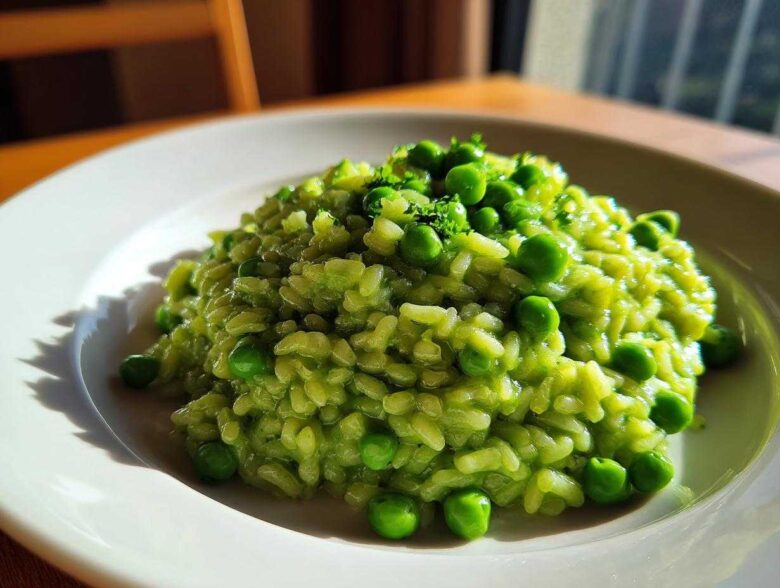
Oh, when the first tender peas show up at the market, I just about lose my mind! Seriously, those little bright green jewels scream ‘spring,’ and nothing showcases them better than a huge, creamy bowl of Spring Pea and Mint Risotto. Forget that runny, soupy stuff you sometimes get; this recipe is my absolute gold standard for authentic Italian technique. We’re going to nail that perfect, velvety texture, the *mantecatura*, that makes you close your eyes after the first bite. This isn’t just dinner; it’s an event, and trust me, getting this traditional method down makes you feel like you’ve earned your kitchen stripes. If you love fresh, vibrant food that feels special but only takes about 45 minutes of focused attention, you are in the right place. I learned this particular method from an old chef friend in Milan, and it has never failed me. If you want to know more about our culinary philosophy here at the blog, check out our mission statement!
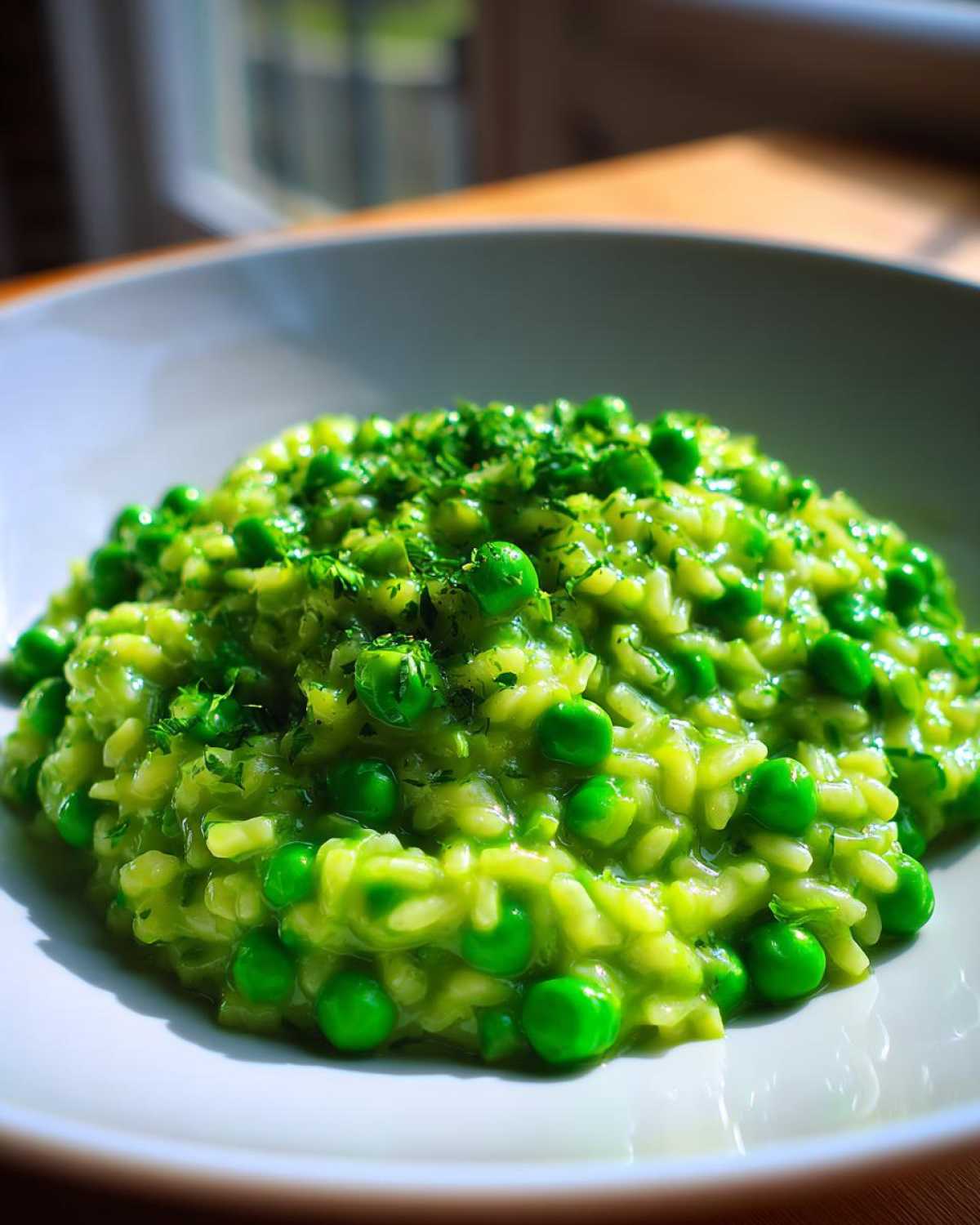
Why This Spring Pea and Mint Risotto Recipe Works (EEAT)
Listen, making incredible Spring Pea and Mint Risotto isn’t magic, it’s science mixed with patience! The real reason this recipe succeeds consistently—and you can count on it being ready in about 45 minutes total—is because we stick to the rules of the Italian technique. It all boils down to slowly coaxing that starch out of the rice grain, not boiling it like you would pasta. That means keeping that stock barely simmering and adding it slowly, ladle by ladle. You can read some of my deeper dives into why this process matters so much over at my beginner’s guide to risotto, but for now, trust me: stirring is your friend here!
Choosing the Best Rice for Creamy Spring Pea Risotto
You absolutely cannot cheat on the rice. Seriously, grab Arborio or, even better, Carnaroli. These aren’t just fancy grains; they are starch powerhouses. They have that thick core and softer exterior that slowly releases amylopectin—that’s the fancy word for the starch that turns our broth into that gorgeous, creamy sauce we crave.
If you use standard long-grain rice, you’ll just end up with sticky, mushy individual grains, and that’s not risotto! We want the rice to *become* the sauce. This specific starch profile, combined with time and simmering stock, is what guarantees that luxurious, flowing texture we’re aiming for.
Gathering Ingredients for Authentic Pea and Mint Risotto
Okay, now for the fun part: grabbing your gorgeous fresh ingredients! For this Authentic Pea and Mint Risotto, you can’t just toss things in. We need quality. You’ll need a good six cups of stock—veggie or chicken, whatever makes your heart happy—kept warm on a separate burner the entire time. That’s rule number one for creamy results!
For the base, measure out your Arborio rice—don’t skimp here—and get your aromatics ready: a small yellow onion chopped up nice and fine, and just a couple of cloves of garlic minced. The real stars, though, are the peas and the mint. You want fresh spring peas if you can find them, but frozen works in a pinch. The mint has to be fresh, though; dried mint just doesn’t give you that bright, springtime zing we need to balance the richness of the cheese and butter.
And don’t forget the cold butter at the end! That’s key for the finishing creamy texture we’re aiming for.
Ingredient Notes and Preparation Tips
I want to stress again how important that rice is. Seriously, if you have Carnaroli, grab it; it’s like the king of risotto rice. When you prep your peas, remember the notes: if you’re using frozen ones, you can toss them right into the rice when it’s almost done cooking. But here’s my little secret from the Italian chef: if you want that intense green color and deep pea flavor, pull out about half a cup of those peas, boil them briefly, and blend them with a tiny splash of stock until smooth. Then, you stir that gorgeous green puree in right alongside the final butter and cheese addition!
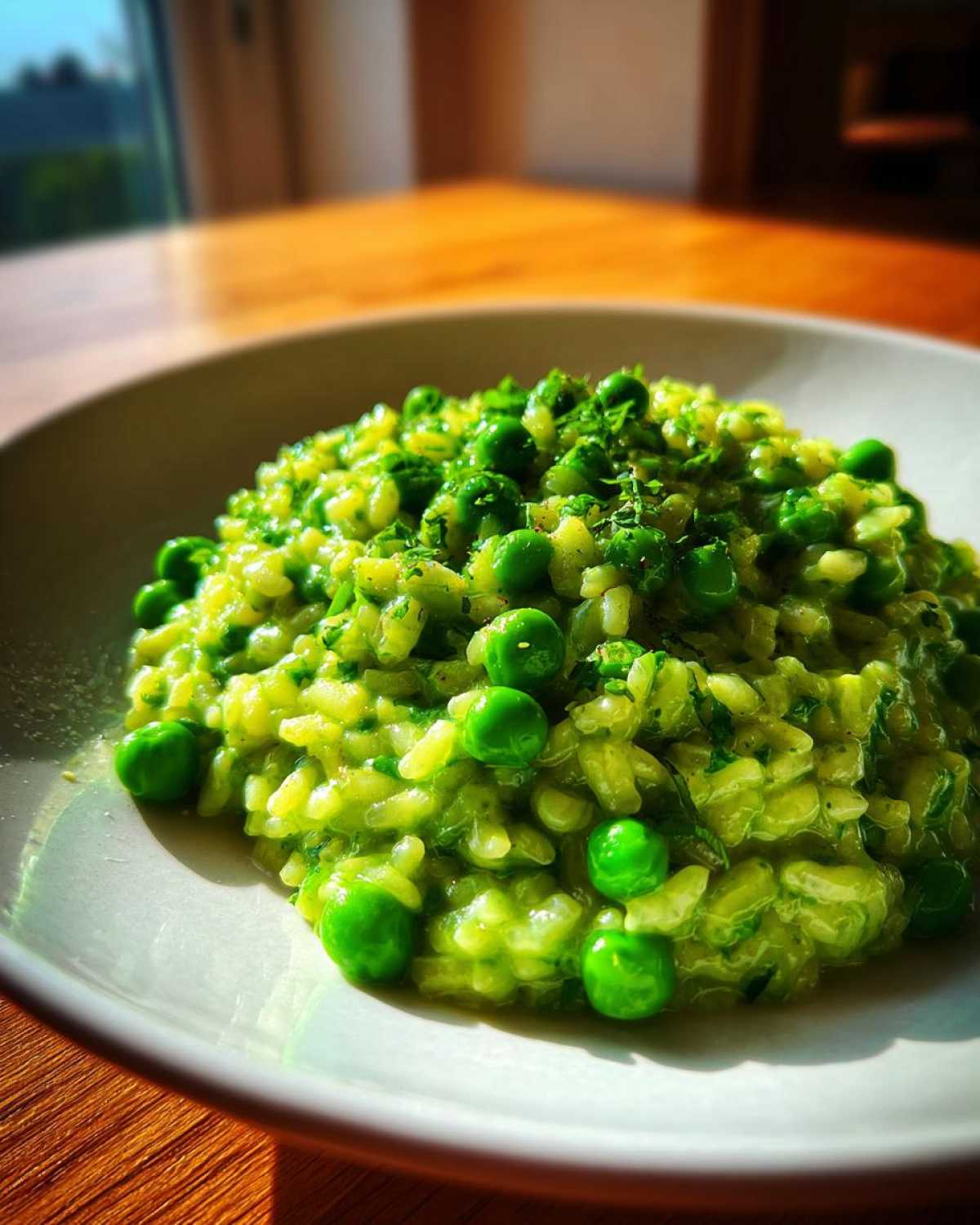
Also, a little note on cheese: Parmesan is classic, but if you want a sharper edge to cut through the sweetness of the peas, swap out half of it for Pecorino. It gives the final dish a little more kick. Remember, these small choices make a huge difference in the final flavor profile of your vegetarian spring dinner!
Step-by-Step Guide: How to Make Spring Pea and Mint Risotto
Alright, deep breath! This is where we put it all together. Making Spring Pea and Mint Risotto using the real Italian method takes focus, but it’s so rewarding. First things first: make sure that six cups of stock are simmering gently on a back burner. We never want to shock the rice with cold liquid, trust me, that stops the starch from releasing!
In your heavy pot, melt the olive oil and that first tablespoon of butter over medium heat. Your chopped onion goes in first—we want it soft and see-through, not brown, about five minutes. Add the garlic next, but only count to sixty seconds because burned garlic tastes bitter, and we don’t have time for bitter!
Toasting the Rice and Deglazing with Wine
Here’s the crucial part: dump in your measured rice. Now you stir! You must stir constantly for about two full minutes until those grains look a little cloudy around the edges, almost translucent. That’s called toasting it, and it seals the outside just enough. Once toasted, pour in that half-cup of dry white wine. Keep stirring until you can’t see a single drop of liquid. It should vanish right into the rice!
Achieving Perfect Creaminess in Your Spring Pea Risotto
Now begins the slow, steady rhythm: one ladle of warm stock at a time. Stir until it’s almost completely gone before you even think about adding the next ladleful. Keep this pace up for about 18 to 20 minutes until the rice is *al dente*—tender, but still has a tiny little chew right in the middle. When you’re almost there, stir in those beautiful peas and cook them till they just turn bright green, maybe three minutes.
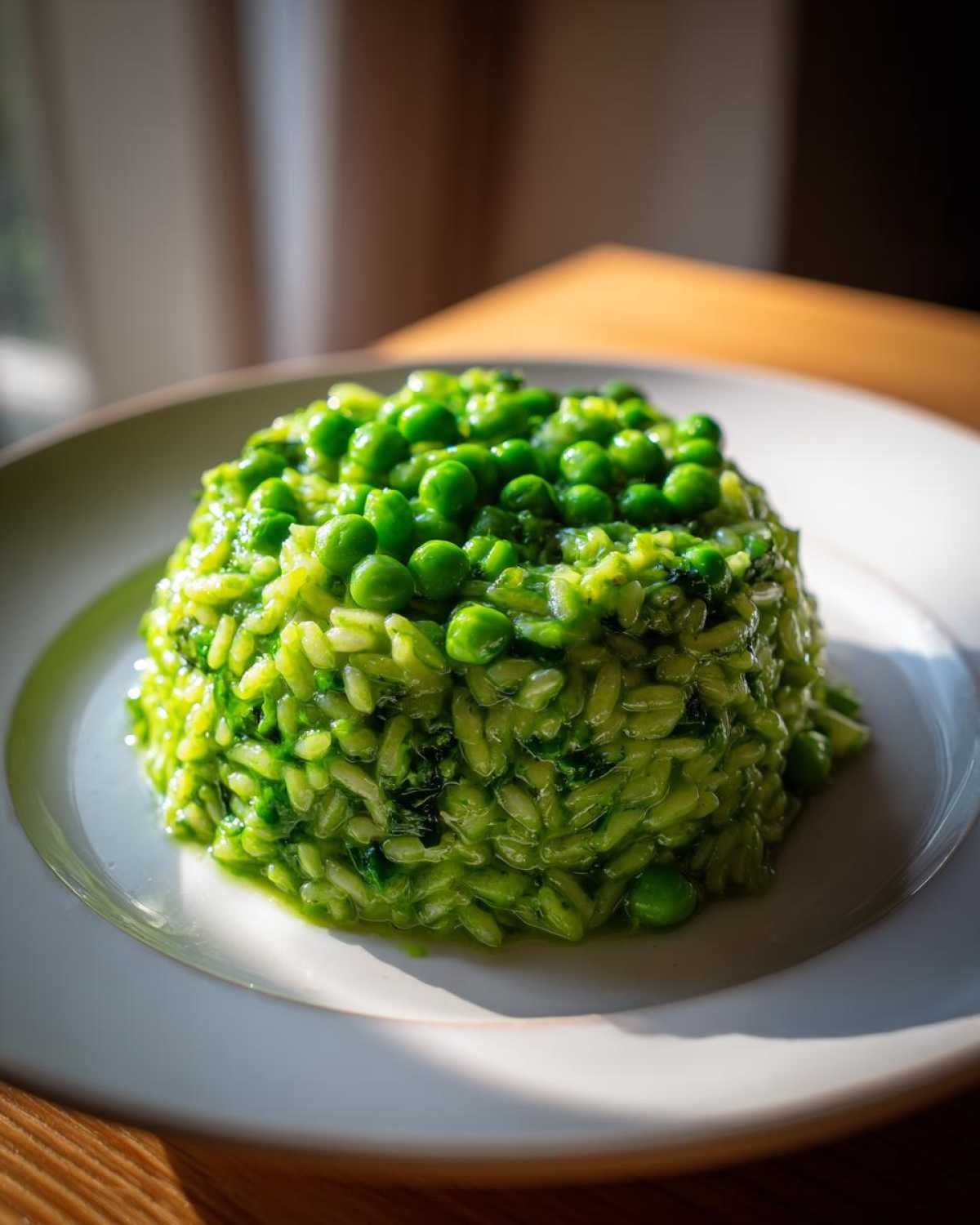
When the heat is off, it’s time for the *mantecatura*. This is the famous finishing move! Vigorously stir in that half-cup of grated Parmesan and the final two tablespoons of *cold* butter. You must beat it together for a full minute off the heat. It’s going to look messy for a second, but keep going until it forms that signature, shiny, velvety wave! Finally, stir in your fresh mint and season it up. Serve this creamy dream immediately. Mastering this final step is exactly what gives you the perfect creamy rice technique—so don’t skip that vigorous final stir!
Tips for the Best Spring Pea and Mint Risotto Texture
Getting that ideal texture in your Spring Pea and Mint Risotto is all about managing two things: the inside of the grain and the sauce around it. Don’t rush the process if you want that gorgeous ‘wavy’ flow! The rice should always be *al dente*—that means tender on the outside but offering just a tiny bit of resistance when you bite down. If it’s completely soft all the way through, you’ve gone too far!
For that creamy sauce, remember the cold butter and cheese stir-in we did right at the end, off the heat. That’s what emulsifies everything beautifully. If, after that final stir, your risotto seems a little too thick or stiff, don’t panic! Just grab a tablespoon of warm stock and stir it in quickly until it flows nicely off the spoon. This finishing adjustment is something every good cook learns, and it’s why our risotto is never gluey. For more troubleshooting, check out my general risotto cooking tips for beginners!
Serving Suggestions for Your Spring Risotto Cooking Guide
Once you have that perfect bowl of creamy goodness, you have to think about what you’re pairing it with! This vegetarian spring dinner is rich enough to star on its own, especially topped with extra Parmesan, but it loves a simple protein friend nearby. Grilled shrimp are fantastic; the sweetness of the shrimp next to the bright mint is just heaven.
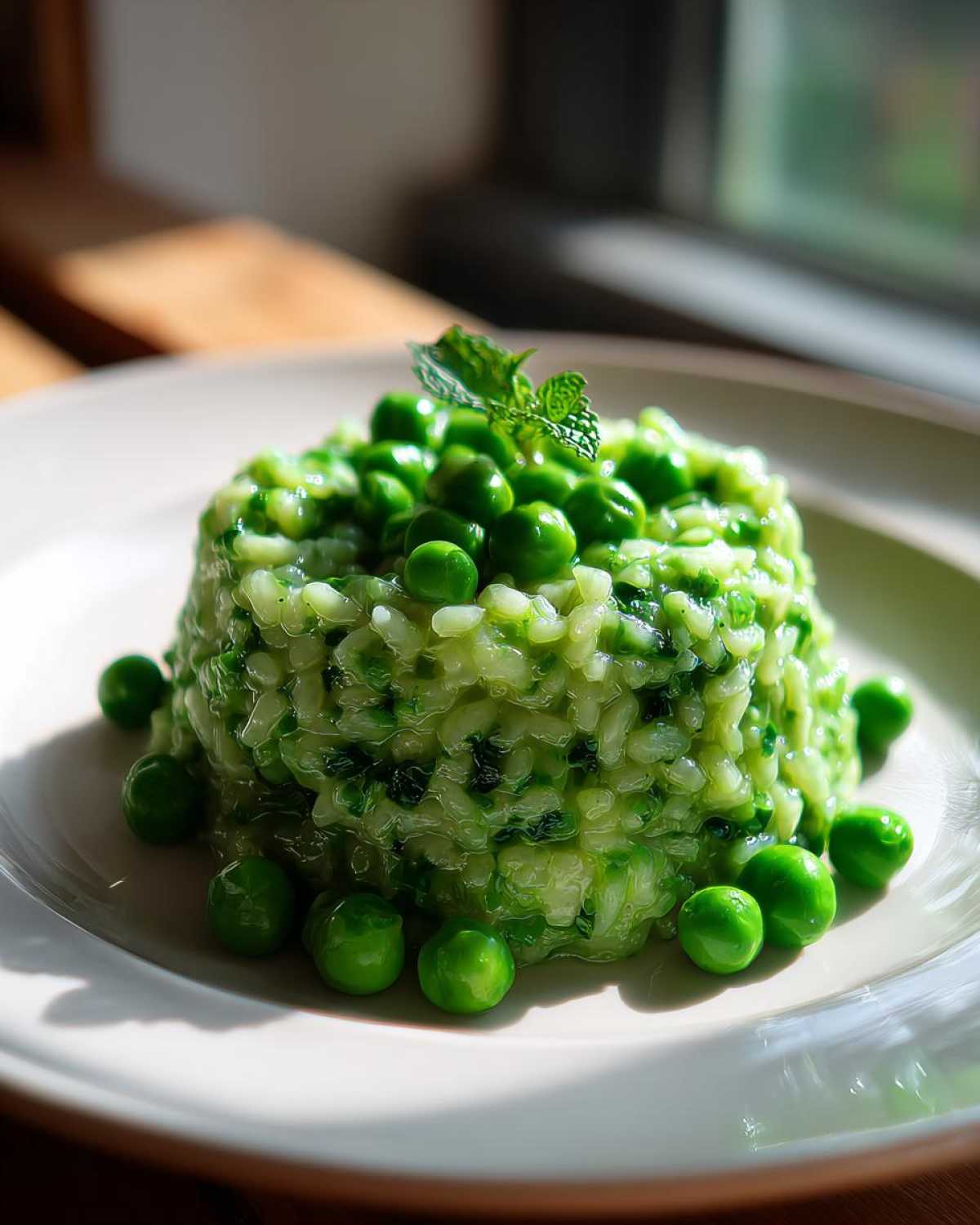
Honestly, you could serve this alongside simple grilled chicken breast if you wanted something heartier—you can find my tips for getting crispy skin on chicken right here. If you opted to use Pecorino instead of Parmesan, you have a slightly sharper flavor base, so stick with lighter proteins like scallops or just serve it with a simple side of lemon-dressed arugula. It handles richness well, but don’t weigh down those delicate spring flavors!
Storage and Reheating Instructions for Leftover Spring Pea and Mint Risotto
Okay, let’s be real: leftover risotto isn’t quite the same as fresh risotto, but we hate wasting food! If you have any of this Spring Pea and Mint Risotto left, the best way to store it is in an airtight container tucked into the fridge. Try to eat it within a day or two, though, because the rice texture changes fast.
When you reheat it, DO NOT just microwave it plain. It will turn into a solid brick. For the best results, put the portion you want in a saucepan with a splash of water or fresh stock—just enough to loosen it up. Heat it gently over low heat, adding liquid little by little while stirring constantly until it loosens back into a creamy texture again. It takes patience, but it’s worth it!
Frequently Asked Questions About Pea and Mint Risotto
I always get questions about making risotto, which makes perfect sense—it can feel intimidating! But once you master the technique, you’ll be whipping up this Creamy Spring Pea Risotto Recipe all the time. Here are a few things I hear often when people are attempting their first Homemade Italian Risotto with Fresh Mint.
Can I make this Spring Pea Risotto ahead of time?
Honestly, risotto prefers to be made moment-to-moment! It really doesn’t reheat well, as those starch molecules tighten up in the fridge. If you *must* get ahead, try pulling the rice off the heat when it’s only about ¾ done and stirring in just a splash of stock. Cool it rapidly and store it.
What if I don’t have white wine for my Easy Spring Risotto Cooking Guide?
Oh, that happens! The wine is primarily there to add acidity and cut through the richness we build later. If you absolutely don’t use it, just substitute that half-cup of wine with a half-cup of your warm stock, but add 1 teaspoon of fresh lemon juice right when you add the final butter and cheese. It gives you that necessary acidic brightness!
Can I use dried or canned peas instead of fresh ones?
You can, but the flavor won’t sing the same way! Canned peas are usually mushy and lack that sweet pop. If you must use dried split peas, you’ll need to soak them overnight and cook them separately until tender before adding them in the final 5 minutes—they won’t cook properly integrated with the rice. Stick to fresh or frozen for the best results in this seasonal pea vegetable recipe!
How long do I need to stir the rice for?
When you are in the main simmering phase, you should stir every 30 seconds or so, just to keep that liquid moving and release the starch. Don’t stir constantly like a maniac, but definitely don’t walk away! Think of stirring as gentle agitation; too hard and you break the grains; too little and it will stick to the bottom.
Estimated Nutritional Data for This Vegetarian Spring Dinner
Now, I know some of you are tracking macros, and I always want to make sure you know exactly what you’re getting into with this beautiful Vegetarian Spring Dinner. Keep in mind that these numbers are just my best estimates based on the main ingredients like Arborio rice, butter, and Parmesan. Using vegetable stock instead of chicken stock, or using Pecorino instead of Parmesan, will shift it a little!
- Calories: Approximately 450 per serving
- Fat: Around 15g
- Carbohydrates: Right near 65g
- Protein: About 18g
It’s a pretty satisfying dish! This is meant to be a main course, so enjoy the richness because, let’s be honest, that’s what makes risotto so good!
Share Your Experience Making Spring Pea and Mint Risotto
Now that you’ve gone through the patient process of making this gorgeous Spring Pea and Mint Risotto, I really, really want to hear from you! Did it turn out perfectly creamy? Did you manage to nail that *al dente* bite?
Please drop a rating below out of five stars, and tell me in the comments if you tried adding anything extra—maybe a squeeze of lemon or a different kind of green vegetable? I love seeing how you make my recipes your own! Happy cooking, and enjoy this taste of spring!
If you want to see more of what’s cooking on our site, check out the main blog page for more seasonal recipes!
PrintSpring Pea and Mint Risotto
A recipe for creamy Italian risotto featuring fresh spring peas and bright mint, using the traditional method for texture.
- Prep Time: 15 min
- Cook Time: 30 min
- Total Time: 45 min
- Yield: 4 servings
- Category: Main Course
- Method: Stovetop
- Cuisine: Italian
- Diet: Vegetarian
Ingredients
- 6 cups vegetable or chicken stock, warm
- 2 tablespoons olive oil
- 1 tablespoon unsalted butter
- 1 small yellow onion, finely chopped
- 2 cloves garlic, minced
- 1 1/2 cups Arborio or Carnaroli rice
- 1/2 cup dry white wine
- 2 cups fresh or frozen spring peas
- 1/2 cup freshly grated Parmesan cheese, plus more for serving
- 1/4 cup fresh mint leaves, chopped
- 2 tablespoons unsalted butter, cold
- Salt and black pepper to taste
Instructions
- Heat the stock in a saucepan and keep it simmering over low heat.
- In a large, heavy-bottomed pot or Dutch oven, heat the olive oil and 1 tablespoon of butter over medium heat.
- Add the chopped onion and cook until soft and translucent, about 5 minutes.
- Add the minced garlic and cook for 1 minute until fragrant.
- Add the rice to the pot. Stir constantly for 2 minutes until the edges of the grains look translucent. This is called toasting the rice.
- Pour in the white wine. Stir until the wine is completely absorbed by the rice.
- Add one ladleful (about 1 cup) of the warm stock to the rice. Stir continuously until the liquid is almost completely absorbed.
- Continue adding the stock, one ladleful at a time, stirring frequently and waiting until each addition is absorbed before adding the next. This process takes about 18 to 20 minutes.
- When the rice is nearly done (al dente—tender with a slight bite in the center), stir in the peas. Cook for 2 to 3 minutes until the peas are tender.
- Remove the pot from the heat. Stir in the Parmesan cheese and the 2 tablespoons of cold butter. Stir vigorously for about 1 minute to create a creamy emulsion (mantecatura).
- Stir in the chopped fresh mint. Season with salt and pepper to your taste.
- Serve immediately in warm bowls, topped with extra Parmesan cheese if desired.
Notes
- Use high-quality Arborio or Carnaroli rice for the best results.
- If using frozen peas, add them directly to the simmering stock during the last 5 minutes of cooking, or add them with the last ladle of stock to the rice.
- For a greener color and deeper pea flavor, reserve 1/2 cup of peas and blend them with a splash of stock to create a puree before stirring them in with the final butter and cheese.
- You can substitute Pecorino cheese for Parmesan, but note that Pecorino has a sharper flavor.
Nutrition
- Serving Size: 1 serving
- Calories: 450
- Sugar: 5
- Sodium: 650
- Fat: 15
- Saturated Fat: 9
- Unsaturated Fat: 6
- Trans Fat: 0
- Carbohydrates: 65
- Fiber: 4
- Protein: 18
- Cholesterol: 35