

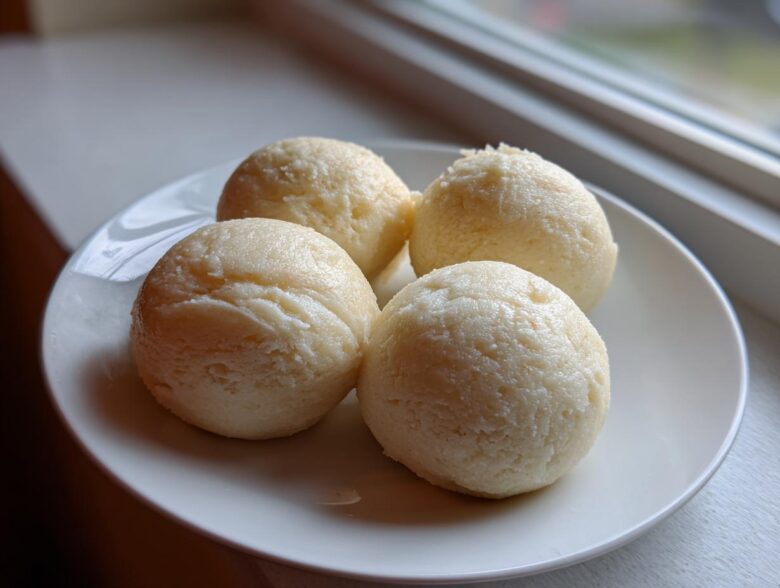
We have all been there, right? That Tuesday evening where the thought of cooking feels like just another chore standing between you and the couch. When Stella and I first started out, our kitchen was definitely set up for efficiency, not celebration. But learning to make this **fufu** completely changed that for us—it turned dinner from a necessity into a headline event! If you want to read more about how we got here and why we started broadcasting good news from our home, check out our story on the About Us page.
I’m Owen, and trust me, if I can master this soft, stretchy West African staple food, anyone can. Forget the complicated, traditional pounding method; we are skipping straight to the good news here. This Easy Fufu Recipe uses cassava flour and is designed specifically for **Fufu for Beginners**. We’re going to show you how to get that perfectly smooth, satisfying dough texture every single time. It’s fast, incredibly comforting, and honestly, it’s what makes a good soup taste like a spectacular feast.
Why This Easy Fufu Recipe is Your New Favorite African Staple Food
I know what you’re thinking: fufu sounds intimidating, right? Like something reserved only for expert cooks who own giant mortars and pestles. Nope! That’s the old way. This Easy Fufu Recipe completely bypasses the heavy lifting of traditional pounding. We use simple cassava flour, which means you get that restaurant-quality stretch faster than you can put on your favorite throwback playlist. This is going to be your go-to African Staple Food because it’s ready almost instantly! We even talk more about our general kitchen philosophy over on the main blog.
We focus on the stir because it guarantees that beautiful, pliable result every time. You get all the comfort and culture without breaking a sweat.
Achieving the Perfect Smooth Fufu Dough Every Time
The number one reason people get frustrated with this dish is the dreaded lump factor. But I promise you; if you handle the first mixing stage correctly, you will have magnificent, Smooth Fufu Dough. Don’t even think about using a whisk on this stuff when the heat is on! When things start to thicken, grab a sturdy wooden spoon (the kind that your nonna might use). That leverage is essential for beating out every single dry clump of fufu flour before it sets hard.
Gathering Ingredients for Authentic Cassava Fufu
Okay, gathering time! Since we’re skipping the pounding, our ingredient list is wonderfully short. That’s the beauty of keeping things simple for beginners. For this Cassava Fufu recipe for four servings, you only need two main things, plus an optional pinch of salt if you like a little balance in your savory meal.
- 2 cups Cassava Flour (Make sure it says Fufu Flour on the bag!)
- 3 cups Water, you’ll split this up carefully
- A tiny bit of Salt if you want it
Ingredient Notes and Gluten Free African Food Considerations
When you go shopping, look specifically for cassava flour labeled as “Fufu Flour.” This stuff is milled differently than regular tapioca starch, which matters for that necessary springiness. The best part? This excellent fufu is naturally fantastic for those avoiding gluten. If you’re feeling adventurous later on, you can totally swap half this flour for plantain flour for a slightly different flavor profile, but let’s nail this classic version first, okay?
How to Make Fufu: Step-by-Step Instructions for Smooth Fufu
Alright, let’s get down to the good stuff—the actual cooking! This is where the magic truly happens, and I promise you, this fufu recipe feels more like an active dance session than cooking. Since we are skipping the heavy manual pounding, we rely on super fast, constant movement to develop that elasticity. Remember what I said earlier? No pounding necessary! Just get your spatula or wooden spoon ready because you are going to stir like you mean it. Once you see that dough pulling together, you’re practically done.
We’ll start with creating the base, and then we move straight to the heat, transforming that flour into heavenly goodness. Don’t forget to check out this easy homemade garlic butter recipe while you wait for your soup to finish, because you’ll need something good to dip!
The Critical First Step: Creating the Fufu Paste
Listen carefully, budding **fufu** chef: Step two is non-negotiable! Before you turn an ounce of heat on, take your two cups of cassava flour and mix it with that first cup of water. You need to work this into a thick, completely smooth paste. I mean *no lumps* allowed. If you apply heat with dry lumps hiding in the mixture, they will bake right into little concrete pebbles in your final dough. Take your time here just mixing until it looks like smooth, thick wallpaper paste.
Cooking and Kneading to Achieve Your Swallow Food Recipe Texture
Now we move past the initial paste and add the rest of your water—that’s two more cups—and turn the heat to medium. As soon as you start stirring, it will seize up really fast! You must keep stirring and folding vigorously for those crucial 5 to 8 minutes. This active cooking process is what mimics the traditional pounding ritual and builds the texture for your perfect Swallow Food Recipe. When the dough finally peels away cleanly from the sides of the pot in one cohesive mass, cover it briefly to steam for 3-5 minutes. Then, take it off the heat and knead it right in the pot until it’s perfectly uniform. That’s the sign of amazing fufu, ready for its partner soup! If you want more tips on authentic preparations, check out what the folks at We Eat At Last have to say.
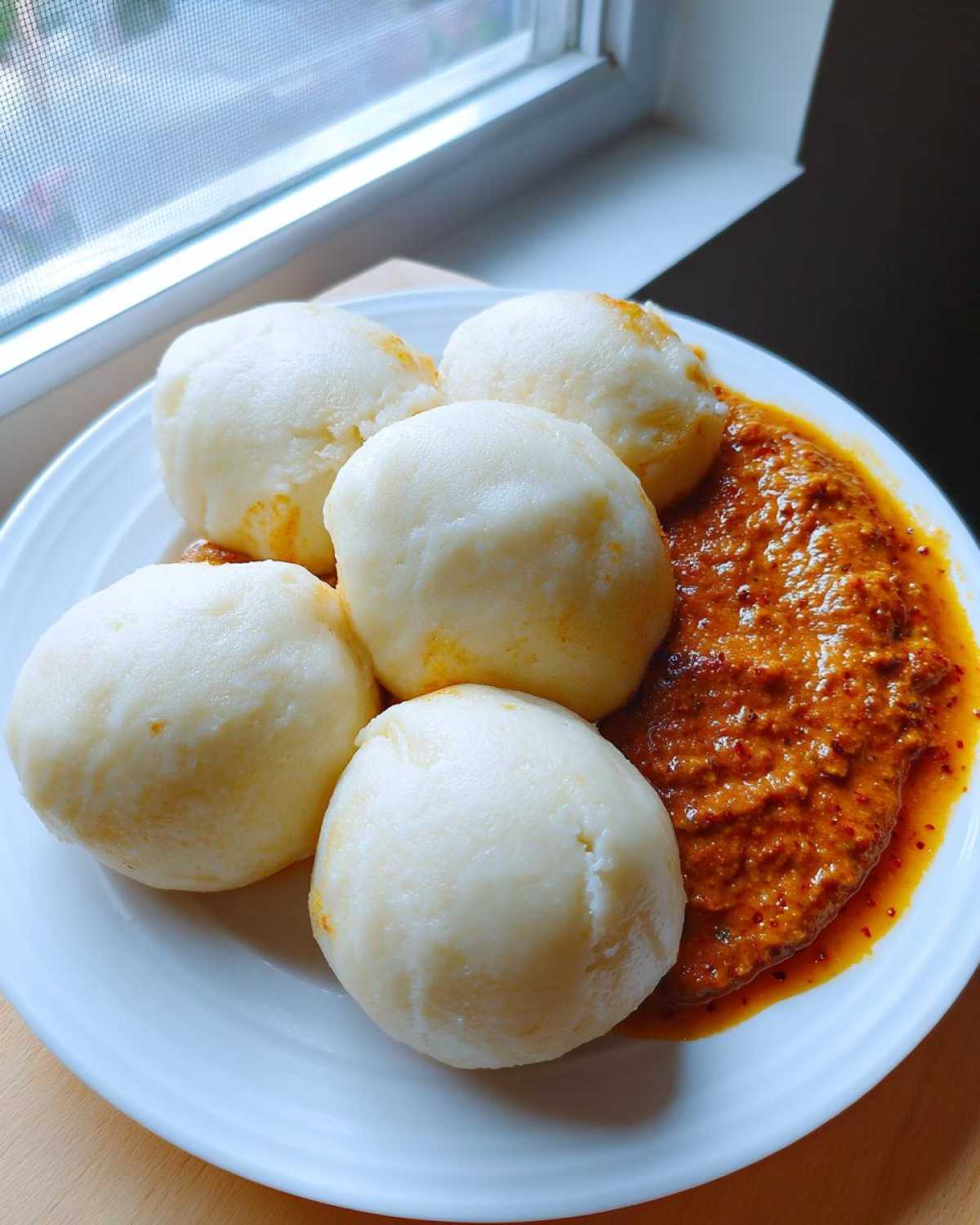
Serving Suggestions: Pairing Your Fufu with Egusi Soup
So, you’ve made the perfect, smooth fufu! Now, what do you eat it with? This is where the real flavor party starts! In our home, nothing beats the feeling of scooping up a perfect ball of this soft dough with a rich bowl of soup. Our absolute favorite pairing, the one that makes us crank up the music, is definitely Fufu with Egusi Soup. Stella always says that first bite—the savory, nutty flavor of the egusi cutting through the mildness of the **fufu**—is the headline news of the entire meal!
We love sharing our simple recipes, like this chicken poblano soup, but for an authentic taste, you absolutely must try a proper West African stew. You can find an amazing recipe for the soup itself over at Soupchick to complete your meal!
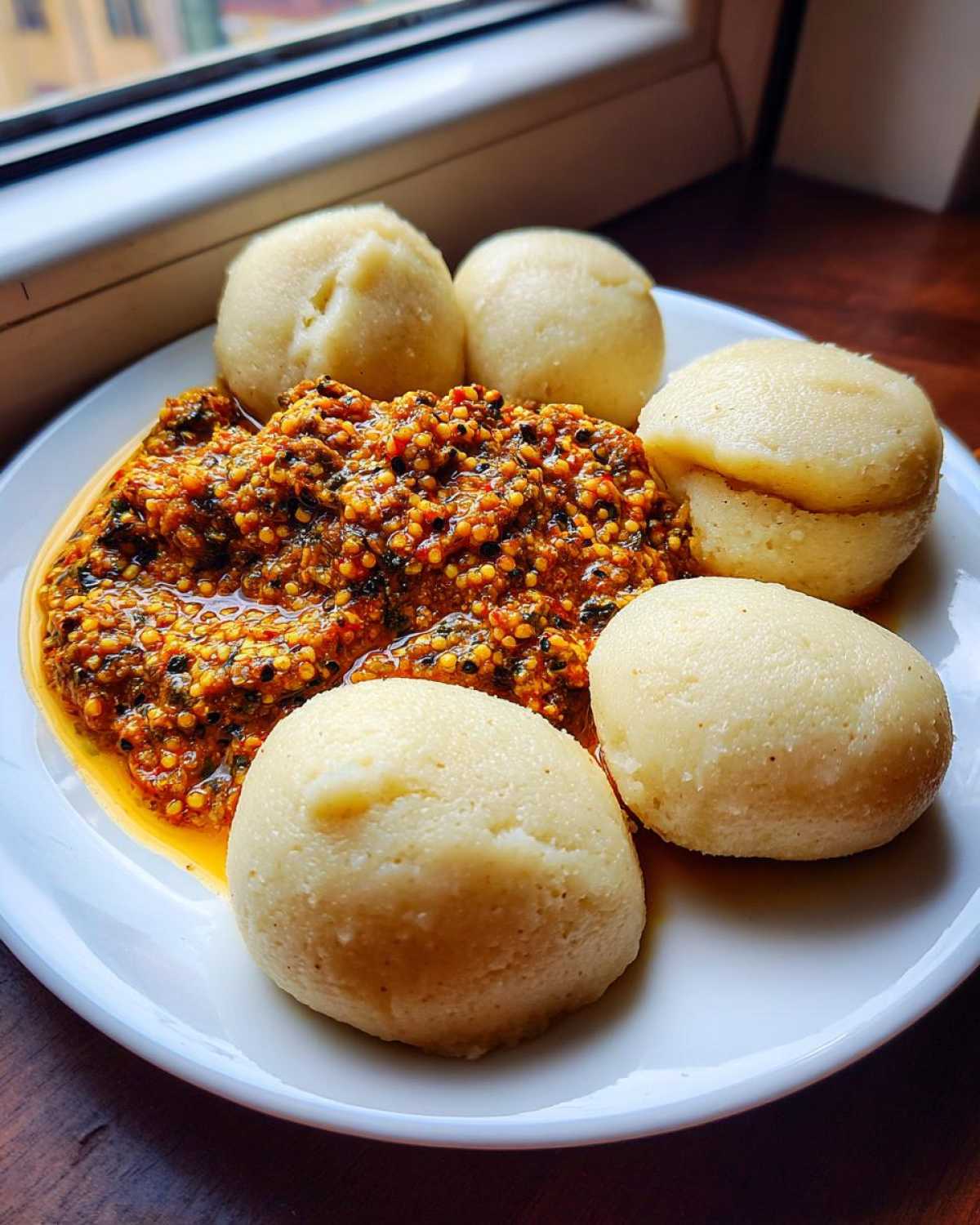
Other Great Options for Fufu Serving Suggestions
While Egusi is top-tier, don’t limit your fufu! This staple is designed to soak up flavor. Wonderful Fufu Serving Suggestions include pairing it with Light Soup, which is bright and flavorful, or a thick, rich Peanut Soup—it’s deeply comforting on a chilly evening. Honestly, this **fufu** dough is the perfect blank canvas; whatever hearty stew you make, the fufu is ready to carry it!
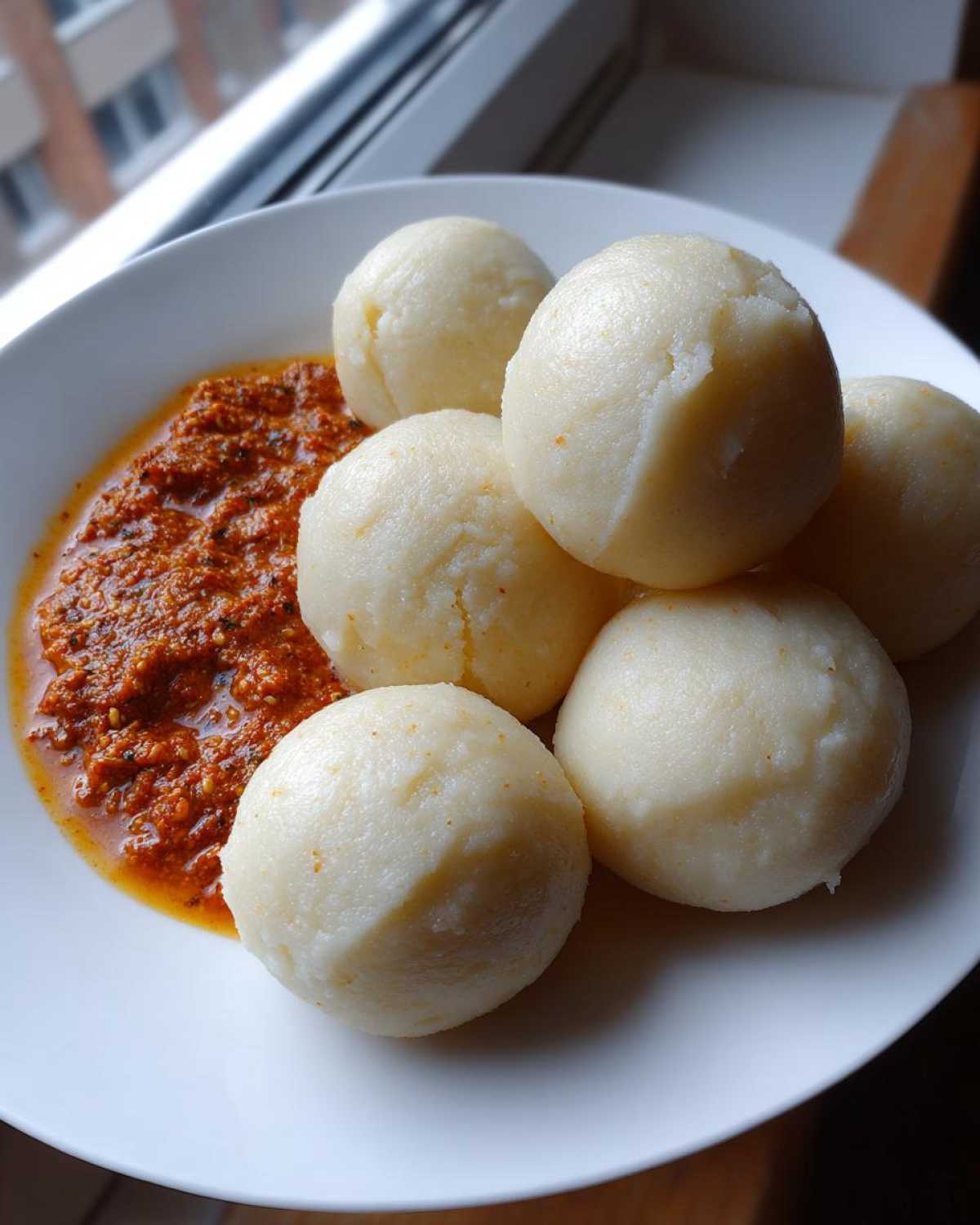
Storage and Reheating Instructions for Homemade Fufu Dough
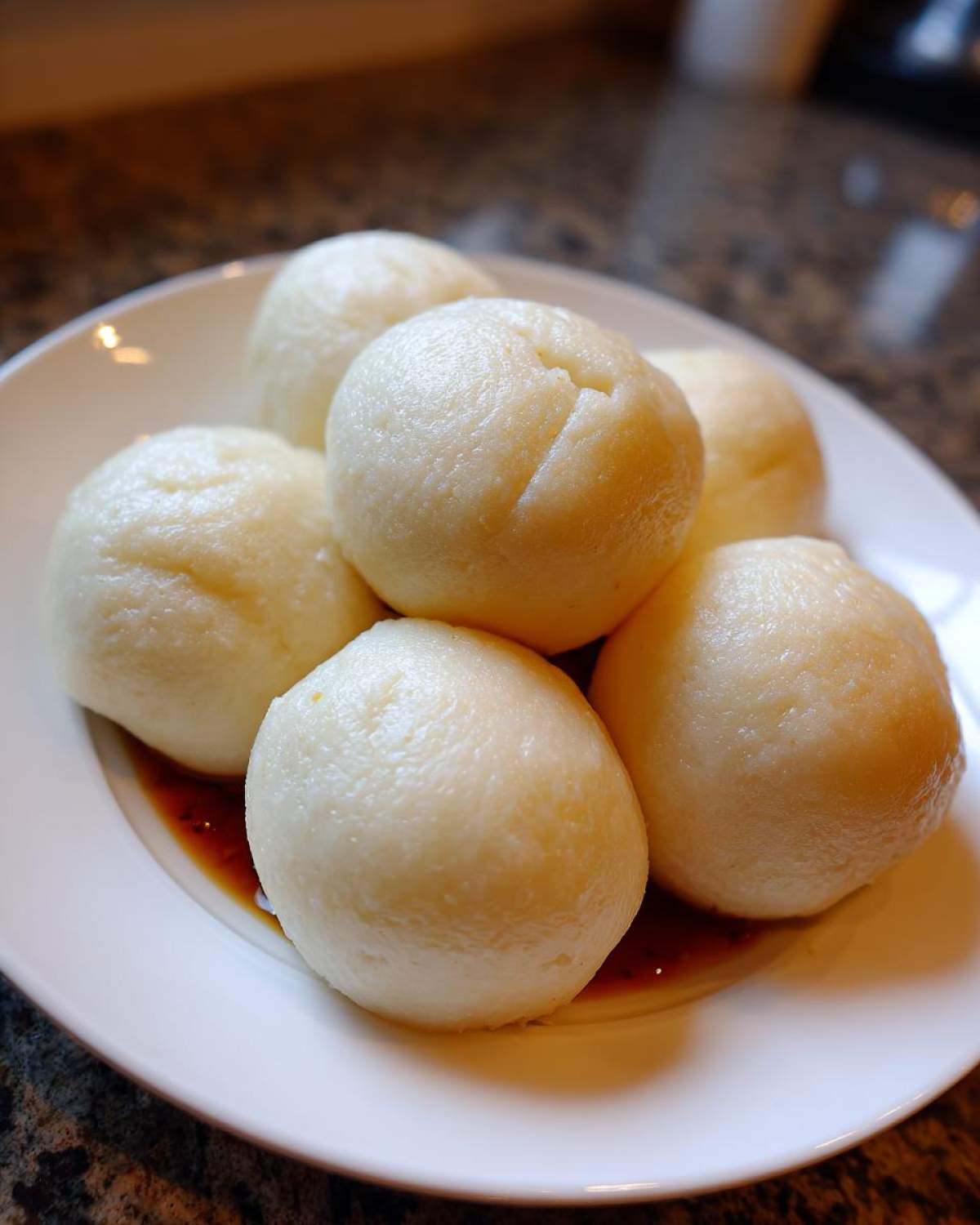
Don’t you just hate wasting leftovers? Me too! Luckily, this wonderful **fufu** dough saves beautifully. Once you’ve rolled your individual balls, just place them in an airtight container. To keep them from sticking together, lightly brush the container surfaces with a tiny bit of neutral oil—Owen likes to use vegetable oil for this. Keep them in the fridge for up to three days.
When you’re ready to eat your leftovers, don’t just microwave them dry; they’ll get tough fast! You need moisture. Place the **fufu** balls in a microwave-safe bowl, add just a tablespoon of water, and cover the bowl tightly. Three short bursts of thirty seconds each, gently stirring in between, will bring the dough right back to that soft, ready-to-sop state. It’s almost like fresh, especially with a hearty stew like our easy crockpot beef stew recipe!
Troubleshooting Common Issues When Making Fufu
Even though this recipe is straightforward, sometimes the stovetop gods aren’t smiling on us, right? If your **fufu** mixture ends up too sticky after the initial steaming—that means it needs a little more cooking to fully hydrate. Turn the heat way down, cover it, and give it another three minutes before kneading again. If it feels too stiff or hard before that, add water by the teaspoon while you knead!
If you smell burning at all? Pull it off the heat *immediately* and add a splash more water. Resist the urge to stop stirring once it heats up, even if your arm gets tired! For more advanced tricks, sometimes the site by Cooking Day has great deep dives when you’re ready to level up your skills.
Frequently Asked Questions About This West African Fufu Recipe
Because nothing makes me happier than seeing someone successfully make their first batch of this beautiful food, I wanted to clear up a few common questions folks ask about this fufu recipe. You know, the important stuff that keeps your Traditional West African Dish coming out perfectly soft!
Can I use instant fufu flour instead of regular cassava flour for this fufu recipe?
Yes, absolutely! If you use instant **fufu** flour, you might need to reduce the water by about half a cup to start, and shave a couple of minutes off that active cooking time, since it hydrates much faster than the standard flour.
Is there a way to make this fufu without pounding?
That is the *best* part of this method! This recipe is absolutely designed to be a “No Pounding Fufu” technique. The vigorous, constant stirring we do while it’s on the heat is doing all the work for you, creating that incredibly satisfying Smooth Fufu Dough without any back-breaking labor!
If you’re curious about other vibrant meals we love, maybe check out my recipe for Jamaican Curry Chicken next? Also, it’s worth noting that while this recipe is Cassava Fufu, it’s super easy to try a Plantain Fufu variation next time by swapping half the flour!
Estimated Nutritional Data for Cassava Fufu
Since we’re all about honest reporting here at the Herald, I wanted to give you a snapshot of what’s in this comforting **fufu**. Remember, because we are working with simple ingredients, these numbers are pretty clean! However, since ingredient brands can always vary, please take these as helpful estimates for one serving ball.
- Serving Size: 1 ball
- Calories: 250
- Sugar: 0.5g
- Fat: 0.2g
- Carbohydrates: 58g
- Protein: 1.5g
If you want to make sure your sides are equally well-balanced, check out these easy egg bites we made last week—great for a lighter lunch!
Share Your Kitchen Dance Party Announcing Your Fufu Success
We’ve shared our best tips for making smooth, lump-free fufu, and now it’s your turn to make some good news in your own kitchen! Did you turn up the music? Did you manage that vigorous stir without tiring out? I really want to hear how this turned out for you, especially if this was your first time trying this amazing **African Staple Food**.
Head down to the comments below and give this recipe a star rating—it helps everyone else see that making authentic **fufu** doesn’t have to be complex. Let us know what soup you paired it with! If you managed to capture a triumphant **fufu**-scooping photo, we’d love to see it. Feel free to reach out to us directly via our Contact page with your pictures; we love being the herald for your cooking victories!
And hey, if you found this recipe helpful in taking the fear out of making **fufu**, maybe check out the super popular guide on Cooking Day for even more quick tips on achieving perfection. Now go celebrate that wonderful meal you just made!
PrintEasy & Smooth Cassava Fufu Recipe for Beginners (Served with Egusi Soup)

Learn how to make soft, smooth West African Fufu using cassava flour with this simple, beginner-friendly recipe. This staple food is the perfect ‘swallow’ for your favorite soups and stews, like Egusi Soup.
- Prep Time: 5 min
- Cook Time: 15 min
- Total Time: 20 min
- Yield: 4 servings
- Category: Main Dish
- Method: Stovetop Cooking
- Cuisine: West African
- Diet: Gluten Free
Ingredients
- 2 cups Cassava Flour (Fufu Flour)
- 3 cups Water, divided
- 1/4 teaspoon Salt (optional)
Instructions
- Measure the cassava flour into a medium, heavy-bottomed pot.
- Add 1 cup of the water to the flour and mix thoroughly with a wooden spoon or spatula until you form a smooth, thick paste with no lumps. This step is key for smooth Fufu.
- Place the pot over medium heat.
- Add the remaining 2 cups of water to the pot. Add salt now if you are using it.
- Stir the mixture constantly as it heats up. The mixture will start to thicken quickly.
- Continue stirring and folding the mixture vigorously. You are essentially cooking the flour into a stiff dough. Keep stirring until the mixture pulls away from the sides of the pot and forms a single, smooth ball. This usually takes about 5 to 8 minutes of active stirring.
- Reduce the heat to low. Cover the pot and let the Fufu steam for 3 to 5 minutes to ensure it is fully cooked through.
- Remove the pot from the heat. Use your wooden spoon to knead the dough briefly inside the pot until the texture is completely uniform and elastic.
- To serve, wet your hands slightly, scoop out portions of the Fufu dough, and shape them into smooth balls.
- Serve your homemade Fufu immediately with a hearty West African soup, such as Egusi Soup or Peanut Soup.
Notes
- For the smoothest texture, ensure your initial paste (Step 2) has absolutely no dry lumps before applying heat.
- If you prefer Plantain Fufu, substitute half the cassava flour with plantain flour, adjusting water slightly if needed.
- This Fufu recipe is naturally Gluten Free, making it a great option for many diets.
- To keep your Fufu warm while you finish your soup, place the serving balls in a lightly oiled bowl and cover tightly.
Nutrition
- Serving Size: 1 ball
- Calories: 250
- Sugar: 0.5
- Sodium: 5
- Fat: 0.2
- Saturated Fat: 0.1
- Unsaturated Fat: 0.1
- Trans Fat: 0
- Carbohydrates: 58
- Fiber: 1
- Protein: 1.5
- Cholesterol: 0