

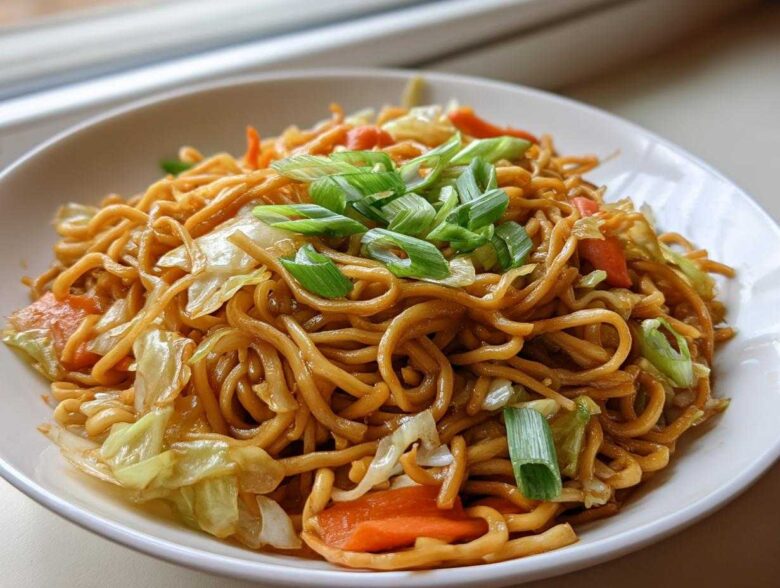
My kitchen philosophy is simple: if it takes longer than 30 minutes on a Tuesday night, it’s probably getting skipped. I’ve spent years testing out Asian recipes, trying to find that sweet spot between authentic flavor and actual weeknight practicality. And honestly, nothing beats the speed and satisfaction of a really good noodle dish. Forget takeout menus! We are diving straight into my absolute favorite, super-speedy version of soy sauce pan fried noodles. Seriously, you can have these on the table in under 15 minutes. It’s my go-to blueprint for throwing together something savory and deeply satisfying when the pantry looks sparse. Stick with me, and you’ll never look at dried noodles the same way again.
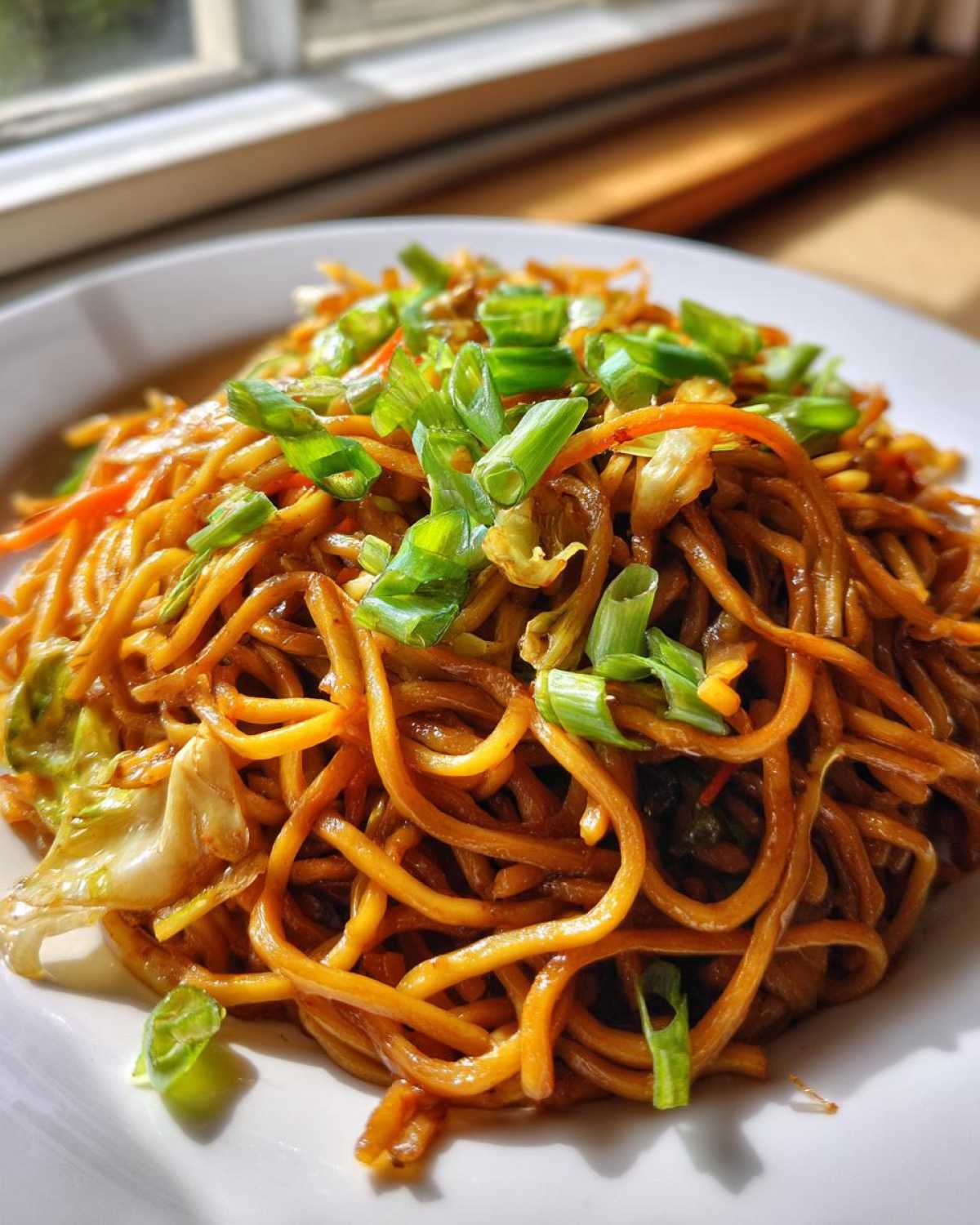
This recipe is the foundation. It’s minimal, relying heavily on just a few core pantry players, but the flavor is huge. We’re building toward that great takeout taste without any of the fuss. If you want to see another killer, quick Asian meal, check out my Teriyaki Chicken Stir Fry—it uses a similar high-heat technique!
Why You Will Love These Savory Fried Noodles
Why bother ordering in when you can whip up something this good faster? You are going to be obsessed with how easy this becomes your new favorite rotation.
- It is unbelievably fast—done before you even finish setting the table!
- The sauce base is simple but achieves that deep, restaurant-style umami flavor.
- Perfect for cleaning out the veggie drawer; it’s so adaptable.
Recipe Quick Facts
Here are the vital stats so you can fit this into your crazy schedule:
- Prep Time: 5 min
- Cook Time: 10 min
- Total Time: 15 min
- Yield: 2 servings
- Category: Dinner
- Cuisine: Chinese
- Diet: Vegetarian
Essential Ingredients for Quick Fried Noodles
Okay, gathering your things is half the battle, right? For these fried noodles, we are keeping it streamlined. You need noodles, of course, some basic cooking oil, garlic for that essential fragrance, and just a couple of hardy veggies that stand up well to high heat. The real magic, the backbone of this whole dish, is the soy sauce combination. Don’t even think about skipping the dark soy sauce—it’s what gives us that beautiful coloring!
Here’s what you need to have ready for two hungry people:
- 8 oz dried egg noodles or ramen noodles (make sure they are ready to go!)
- 2 tablespoons vegetable oil
- 2 cloves garlic, minced (please mince it fresh!)
- 1 cup sliced cabbage
- 1/2 cup sliced carrots
- 2 tablespoons soy sauce (light/regular)
- 1 tablespoon dark soy sauce (this is non-negotiable for color!)
- 1 teaspoon sesame oil
- 1/2 teaspoon white pepper
- 1 green onion, sliced for garnish
Ingredient Notes and Substitutions for Your Fried Noodles Recipe
Let’s talk substitutions, because sometimes we don’t have exactly what’s listed. If you use fresh noodles instead of the dried ones listed here, you’ll need to cook them for less time—maybe only 2 or 3 minutes—just until they’re pliable. Fresh noodles give a superior, chewy texture, though ramen noodles work in a total pinch for speed!
On the soy sauce front, light soy sauce provides the major saltiness, while the dark soy sauce is all about that deep, rich brown color and a slight molasses flavor. They play off each other beautifully. If you want to turn this into a full protein punch, now is the time to prep your meat! Whether you’re tossing in 4 ounces of diced chicken, thinly sliced pork, or cubed tofu, make sure you fry it *before* you start the vegetables. That way, you get perfect, seared protein ready to mix back in later.
The Best Way to Prepare Pan Fried Noodles Recipe
Alright, this is where the magic happens. Getting a great texture in your Pan Fried Noodles Recipe is all about heat management and timing. You can’t be timid here; we want sizzle, not steam! First things first: get those noodles boiling. We want them cooked just until they are barely tender—al dente is too firm here. Drain them super well and set them aside. Seriously, drain them hard! Soggy noodles mean a soupy mess, and we are aiming for that perfect, slightly separated texture.
Now, crank up your skillet or wok until it’s ripping hot. Add your vegetable oil, and once it shimmers, toss in that minced garlic. You only have about 30 seconds here before it burns, so stir constantly until you can really smell that sharp, beautiful garlic fragrance.
Next, bring in the veggies—the cabbage and carrots. We only want to soften these a little, maybe two or three minutes of sharp tossing. They should still have some bite left in them! This is key for good texture in your final dish.
Step-by-Step Guide to Perfect Chinese Fried Noodles
Once your veggies are looking happy, toss in those drained noodles! This is the moment of truth for our Chinese Fried Noodles. Right away, drizzle in the light soy sauce, the dark soy sauce, the sesame oil, and that little pinch of white pepper. Now, grab those tongs and go! You have to move fast, tossing continuously for about two to three minutes. The goal here is to coat every single strand evenly and let the exterior of the noodles get just a tiny bit charred from the heat. You don’t want them to stick together in a single clump; keep them moving! If you want to check out another fantastic sheet-pan meal—it uses similar high-heat cooking principles—look at my Sheet Pan Garlic Herb Chicken & Veggies recipe. Once everything looks evenly browned and heated through, pull it off the fire immediately. Garnish with that bright green onion, and dinner is served. Seriously fast!
Tips for Making Easy Fried Noodles
Listen, making things easy doesn’t mean sacrificing quality. In fact, the secrets to restaurant-quality Easy Fried Noodles are all about tiny steps that take practically zero extra time. I’ve learned these tricks the hard way—usually after making a huge pot of disappointingly soggy noodles!
Here are the three things I absolutely swear by when I throw this dish together:
- Super Dry Noodles are Non-Negotiable: I cannot stress this enough. After you drain your cooked noodles, you need them dry! If you have time, spread them out on a baking sheet for about five minutes while you prep your veggies. Any water clinging to them will hit the hot oil and just turn your whole wok into a steamy mess instead of getting that perfect sear.
- Blast the Heat: When you start tossing the noodles and sauce, you need your pan hot—medium-high is the minimum, but if you have a wok, use high heat! This isn’t a slow simmer situation. The quick, intense heat helps the ingredients slightly char and locks in that smoky flavor, which is what gives you those amazing Homemade Stir Fry Noodles we all chase.
- Sauce Timing is Everything: Don’t pour all your sauce in at once and walk away! Add it over a couple of additions while you are actively tossing. This allows the liquid to evaporate quickly and caramelize onto the noodles rather than just steaming them. I usually pour the soy sauce mixture over the noodles, toss constantly for 90 seconds, then give it another quick toss for the last minute.
If you’re looking for more handy kitchen shortcuts and general blogging nonsense, you can always browse my whole blog archive! But seriously, mastering dry noodles and high heat makes 90% of Asian cooking a breeze.
Customizing Your Quick Noodle Stir Fry
Honestly, the best part about this basic blueprint is how little you actually need to change to get a completely different flavor profile! This is where you get to play chef, and I love seeing what everyone comes up with. Since the carrots and cabbage are fairly neutral, they act as the perfect canvas for whatever protein you have hanging around your fridge.
If you’re adding meat or tofu, remember my note from earlier: cook it first! Brown up about 4 to 6 ounces of sliced chicken breast, thin strips of pork shoulder, or cubed extra-firm tofu until it’s got some color, then scoop it out before you hit the veggies with oil. Just add it back in when you toss the noodles and sauce together. Easy peasy protein boost for your Quick Noodle Stir Fry!
Beyond meat, let’s talk veggies. If you have broccoli florets, blast them first because they take longer to soften than the carrots. Sliced mushrooms or baby corn work incredibly well too, and those barely need 60 seconds in the hot pan before the noodles join the party. You can even throw in a handful or two of frozen peas right when you add the sauce—they thaw instantly! If you want more inspiration on quick Asian meals, you must check out my recipe for Teriyaki Salmon Bowls; it’s another super-fast winner.
Achieving Authentic Noodle Flavors
So, you want to move beyond the basic soy sauce profile we have here? Absolutely! This combination of light and dark soy sauce is the foundation of many great Chinese Fried Noodles, but you can easily lean into specific regional tastes. If you are aiming for a slightly sweeter, richer profile, you are moving toward a general Soy Sauce Noodles Recipe base, and all you need to do is add about one teaspoon of white sugar or a drizzle of honey right in with your soy sauces.
If you’re really chasing that complexity, think about what makes a good Shanghai Fried Noodles flavor. Usually, Shanghai style leans a little heavier on the savoriness and often includes fresh ginger. Next time you make this, add about half a teaspoon of fresh, finely grated ginger right alongside your garlic in that first hot oil burst. Wow, does that wake everything up! You get that warm, sharp bite that just tastes incredibly authentic, even though it only took five extra seconds to grate.
Storage and Reheating Instructions for Homemade Stir Fry Noodles
So, you made a double batch because you knew you would—smart move! These savory noodles are actually fantastic as leftovers, but you have to treat them right when you reheat them or you’ll end up with a sad, gummy brick. Don’t panic if you have leftovers from your Homemade Stir Fry Noodles; we can salvage them perfectly!
First, the storage rule: make sure they are completely cooled down before you put them away. Put them in a truly airtight container. Do not just cover the bowl with foil and stick it in the fridge! If you let air get to them, they dry out weirdly. They will keep well in the refrigerator for about three to four days, max.
The key to reheating is bringing back that appealing sizzle we worked so hard for in the wok. Microwaving is fast, but it often makes noodles a little rubbery. If you must use the microwave, add just a teaspoon of water or a splash of broth right over the noodles before covering them loosely with a damp paper towel. This steam helps loosen everything up.
However, my absolute preferred method is using the skillet again. It’s fast, and it brings back that texture! Heat up that big skillet or wok over medium heat. Add just a tiny bit of oil—maybe half a teaspoon. Toss the cold noodles in, and here’s the real secret: add about a tablespoon of water or maybe a tiny splash of soy sauce right into the pan near the noodles, not directly onto them. Stir fry constantly, breaking up any clumps with your spatula.
The water/sauce creates steam momentarily, which softens the noodles, and then the high heat quickly evaporates it, leaving you with that slightly bouncy, chewy texture again! It takes about five minutes total. Trust me, reheating in the pan beats the microwave every single time. If you’re looking for other prep-ahead meals, you can peek at how I handle my Freezer Breakfast Burritos—it’s all about making tomorrow easier!
Frequently Asked Questions About Fried Noodles
I know you’re cooking fast, so let’s knock out any last-minute doubts you have about getting these fried noodles perfect before you start searing!
Can I use different noodles for this recipe?
Yes, you absolutely can play around with the noodle base here! I originally wrote this using dried egg noodles because they are cheap and hold up well to the stir-frying process. If you use fresh noodles—like the kind you find refrigerated—you’ll need to drastically cut their boiling time, maybe just two minutes until they separate easily. They cook faster but give the absolute best chewiness! If you need to go gluten-free, rice noodles (like vermicelli or thicker pad thai style) work fine. Just make sure you follow the package directions exactly, and when you drain them, you might want to rinse them with cool water to stop them from sticking together before they hit the hot pan.
How do I make this a complete Weeknight Noodle Dinner?
That’s the smartest question of the day! While the recipe is vegetarian by default, it really shines with a little extra substance. The easiest way to make this a complete Weeknight Noodle Dinner is by adding that pre-cooked protein we talked about—chicken or tofu are the fastest additions. If you want to keep it strictly vegetarian, just bulk up the vegetables! Double the carrots and cabbage, and maybe toss in a cup of shelled edamame or sliced mushrooms when you add the cabbage. That extra fiber and protein will keep you full until breakfast!
If you are curious about how I generally organize my kitchen flow to make sure these quick recipes actually happen, feel free to check out my About Us page—I talk a lot about efficiency there!
Estimated Nutritional Data for These Fast Noodle Dishes
Okay, let’s talk numbers! I ran this base recipe through the analysis tools, and it checks out as a relatively balanced dinner, especially if you pile on the good vegetables. Remember, since this is a base recipe—the vegetarian version without added meat—these counts are based on exactly what’s listed in the ingredients for one serving.
I always tell people to take these figures with a grain of salt, because your brand of soy sauce or the exact size of those noodles can shift things around. This is just an estimate based on one serving of the core Fast Noodle Dishes recipe.
For one serving, you are looking at about:
- Calories: 450
- Fat: 14g
- Saturated Fat: 2g
- Carbohydrates: 70g
- Protein: 14g
If you look closely, you’ll see that while the sodium content is a little higher—that’s the soy sauce working its magic, after all—the fat content is pretty reasonable, and you’re getting a solid 14 grams of protein from just the noodles themselves! If you add chicken or tofu, those numbers will shift up in protein and fat, so keep that in mind if you’re tracking macros.
Share Your Best Fried Noodles Experience
That’s it! You’ve mastered the 15-minute scramble, and hopefully, your kitchen smells just as amazing as mine right now after whipping up these fried noodles. Now, I genuinely want to hear from you!
Don’t let this be the end of our chat here. Did you try them? Did you stick to the veggies, or did you load it up with shrimp or maybe some mushrooms? Drop a rating below—I always check those star ratings to see how things are working out for everyone!
- Let me know in the comments what protein or vegetable swap you tried. I’m always looking for new ideas since I’m usually just throwing in whatever’s about to go bad in the crisper drawer!
- If this recipe saved your Tuesday night, please share it! Hit that little share button and show your friends your amazing culinary skills.
- If you have any burning questions about heat levels or noodle boiling times, please bounce them over to me on my contact page—I love troubleshooting kitchen dilemmas!
Happy cooking, and I can’t wait to see what you create!
PrintQuick Soy Sauce Pan Fried Noodles
Prepare this simple, savory pan fried noodle dish in under 15 minutes. This recipe uses a basic soy sauce base, which you can easily customize with your preferred protein or vegetables.
- Prep Time: 5 min
- Cook Time: 10 min
- Total Time: 15 min
- Yield: 2 servings
- Category: Dinner
- Method: Stir Frying
- Cuisine: Chinese
- Diet: Vegetarian
Ingredients
- 8 oz dried egg noodles or ramen noodles
- 2 tablespoons vegetable oil
- 2 cloves garlic, minced
- 1 cup sliced cabbage
- 1/2 cup sliced carrots
- 2 tablespoons soy sauce (light)
- 1 tablespoon dark soy sauce
- 1 teaspoon sesame oil
- 1/2 teaspoon white pepper
- 1 green onion, sliced for garnish
Instructions
- Cook the noodles according to package directions until just tender. Drain them well and set aside.
- Heat the vegetable oil in a large skillet or wok over medium-high heat.
- Add the minced garlic and stir fry for 30 seconds until fragrant.
- Add the cabbage and carrots to the skillet. Stir fry for 2 to 3 minutes until the vegetables begin to soften.
- Add the cooked and drained noodles to the skillet.
- Pour in the light soy sauce, dark soy sauce, sesame oil, and white pepper.
- Toss everything together quickly and continuously for 2 to 3 minutes until the noodles are evenly coated and heated through.
- Remove from heat. Garnish with sliced green onion before serving.
Notes
- For added protein, stir fry 4 oz of sliced chicken, pork, or tofu before adding the vegetables.
- If you prefer a sweeter flavor, add 1 teaspoon of sugar to the sauce mixture.
- Use fresh noodles if available for a chewier texture.
Nutrition
- Serving Size: 1 serving
- Calories: 450
- Sugar: 4
- Sodium: 1100
- Fat: 14
- Saturated Fat: 2
- Unsaturated Fat: 12
- Trans Fat: 0
- Carbohydrates: 70
- Fiber: 4
- Protein: 14
- Cholesterol: 50