

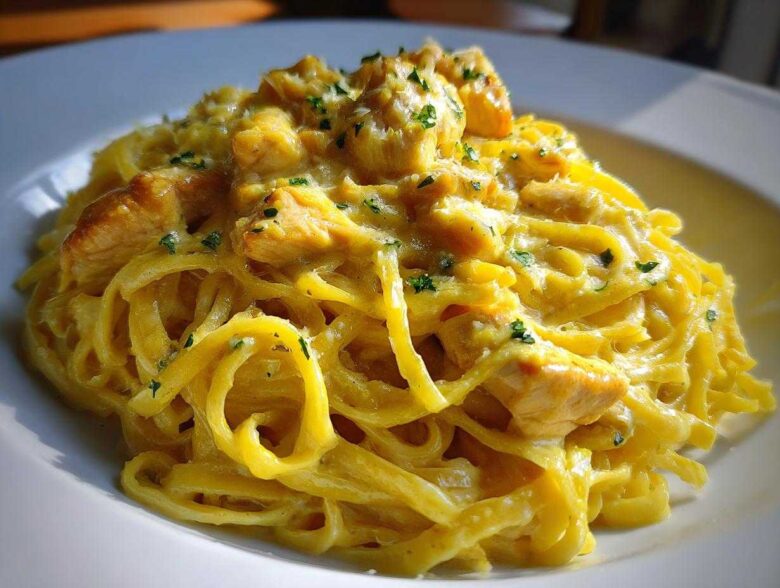
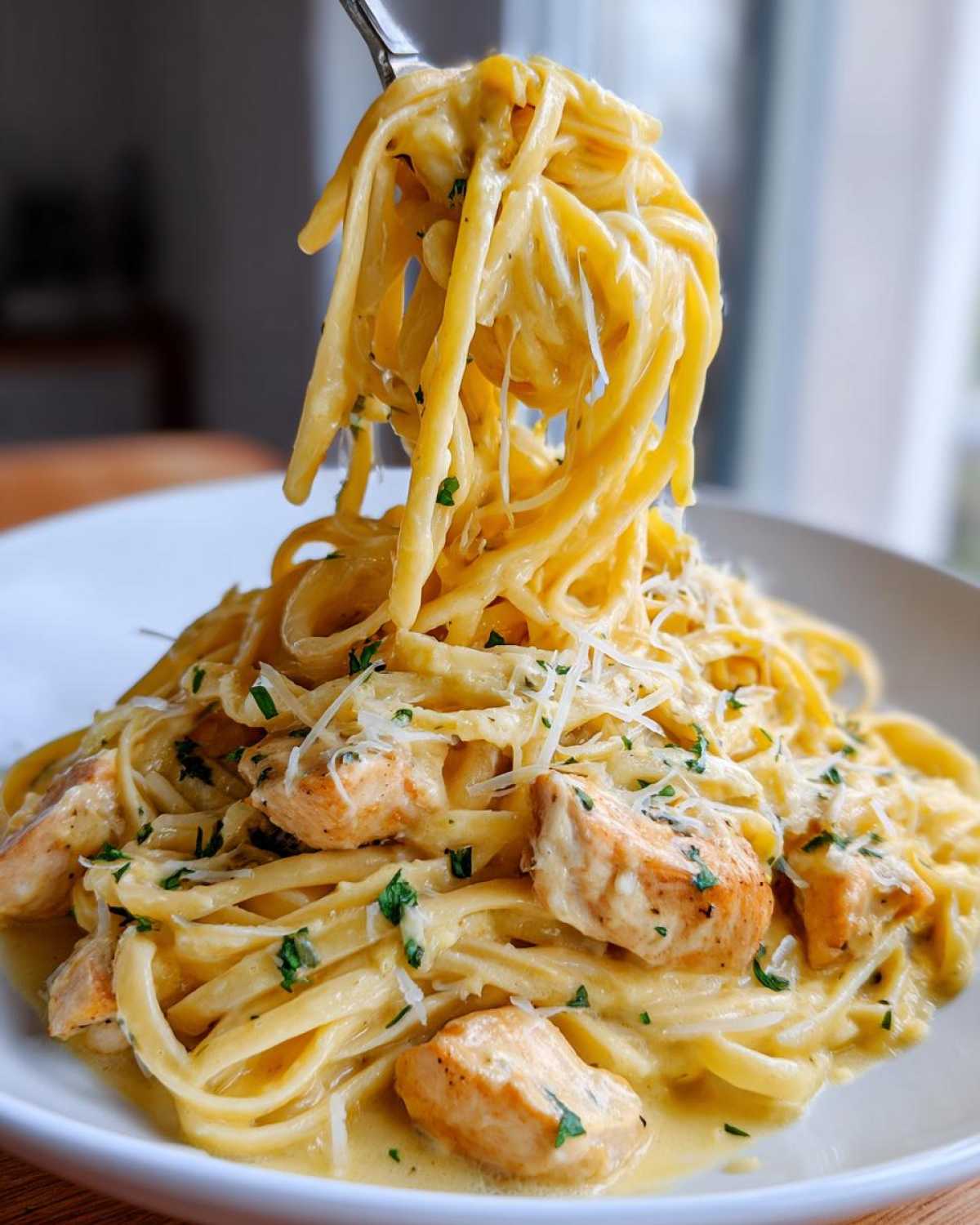
Sometimes you just need that hug-in-a-bowl kind of dinner, right? I used to think creamy pasta meant heavy, rich, and frankly, a little boring. But then I cracked the code on balancing creaminess with brightness! This Creamy Lemon Chicken Pasta with Parmesan is the dish that proved me wonderfully wrong. It’s decadent because of the heavy cream and sharp Parmesan, but that hit of fresh lemon keeps the whole thing singing. Trust me, mastering a sauce that clings perfectly to every piece of fettuccine took practice, but now it’s automatic. If you love rich comfort food, this is your spot—check out my ultimate creamy casserole recipe for another hug-in-a-pan option! We’re talking restaurant-style quality, but ready before you even realize you’re hungry. You absolutely need this recipe in your rotation!
Why This Creamy Lemon Chicken Pasta with Parmesan Shines
I’ve made a lot of pasta in my life, and honestly, this one always gets the extra compliments. It achieves that perfect trifecta that busy weeknights demand, plus it tastes like you spent hours hovering over the stovetop! Here’s exactly why you’re going to adore this recipe:
- Speed Demon Dinner: This is truly an Easy Weeknight Lemon Chicken. We’re talking about getting this entire masterpiece on the table in under 40 minutes. Who needs takeout when this is faster?
- The Texture Magic: You asked for creamy, and baby, you got it! The sauce is thick enough to coat every strand of pasta without feeling heavy or gummy. It’s all thanks to the technique we use with the heavy cream and Parmesan.
- The Flavor Pop: So many creamy pastas are just… one note. Not this one! That fresh lemon zest and juice cuts through the richness like a ray of sunshine, giving you that truly Bright Zesty Chicken Dinner flavor you crave.
- Parmesan Perfection: We use good quality Parmesan, and we use enough of it! It doesn’t just add cheesiness; it acts as an emulsifier in the sauce, making everything velvety smooth.
- Flexible & Family-Friendly: While it’s amazing as is, it’s also a total chameleon. You can easily sneak in some veggies or switch up the herbs, making it a great base for your next Family Favorite Chicken Dinner.
Essential Ingredients for Creamy Lemon Chicken Pasta with Parmesan
Okay, this is where the magic starts, and listen, you cannot cheat on these ingredients if you want that restaurant-style result. Using the good stuff really matters, especially for the dairy and the citrus. Think about what you want in your pantry before you start—I always keep the ingredients for this easy homemade garlic butter recipe on hand, because garlic is life!
Here is exactly what you need to gather up. Don’t eyeball the lemon zest; that’s the key!
- Pasta Power: One pound of pasta. I always reach for fettuccine or maybe linguine because those flat noodles grab onto the sauce so much better than thin spaghetti.
- The Protein: We need about 1.5 pounds of boneless, skinless chicken breasts, and you’ve got to cut them into nice bite-sized pieces before they even hit the pan.
- The Base Fats: Two tablespoons of simple olive oil to get things sizzling.
- Aromatic Kick: Two cloves of garlic, minced—and I mean really minced, almost a paste.
- The Deglazer: About half a cup of dry white wine, like Pinot Grigio, or you can definitely use chicken broth if you’re skipping alcohol.
- Creaminess Factor: One full cup of heavy cream. Don’t try to sneak in milk here; we want rich and luscious, not thin and sad.
- Sauce Builder: Half a cup of chicken broth to thin the cream slightly as it cooks down.
- The Cheese King: Half a cup of grated Parmesan cheese. Crucially, you need that extra Parmesan reserved specifically for serving on top!
- Lemon Brightness: You MUST use the zest of one large lemon, and then you’ll need the fresh juice of that same lemon, which usually comes out to about 3 tablespoons.
- Fresh Finish: A quarter cup of fresh parsley, chopped up finely for color and freshness at the very end.
- Seasoning: Just salt and black pepper to taste. Be generous with the pepper!
Step-by-Step Instructions for Your Creamy Lemon Chicken Pasta with Parmesan
This is where the fun really starts! While the pasta water boils, you can get your chicken seasoned and ready to go. I want you to remember one thing throughout this whole process: high heat for searing, low heat for the sauce. It keeps the chicken juicy and prevents that gorgeous cream sauce from splitting. Don’t forget that starchy water; it’s the secret glue for every great chicken scampi with garlic parmesan rice!
Cooking the Pasta and Preparing the Chicken
First things first, get your pasta cooking according to the package directions, aiming for just that perfect *al dente* texture. Before you drain it, scoop out at least a full cup of that milky, starchy water and set it aside—seriously, don’t skip this! While that’s happening, season your bite-sized chicken pieces really well with salt and pepper. Heat up your olive oil in a nice, large skillet over medium-high heat. You want it hot enough to sear the chicken quickly, about 5 to 7 minutes, so it gets that lovely golden-brown crust. Once it’s cooked through, pull that chicken out and set it on a plate so we can focus on the sauce.
Building the Lemon Cream Sauce Ideas
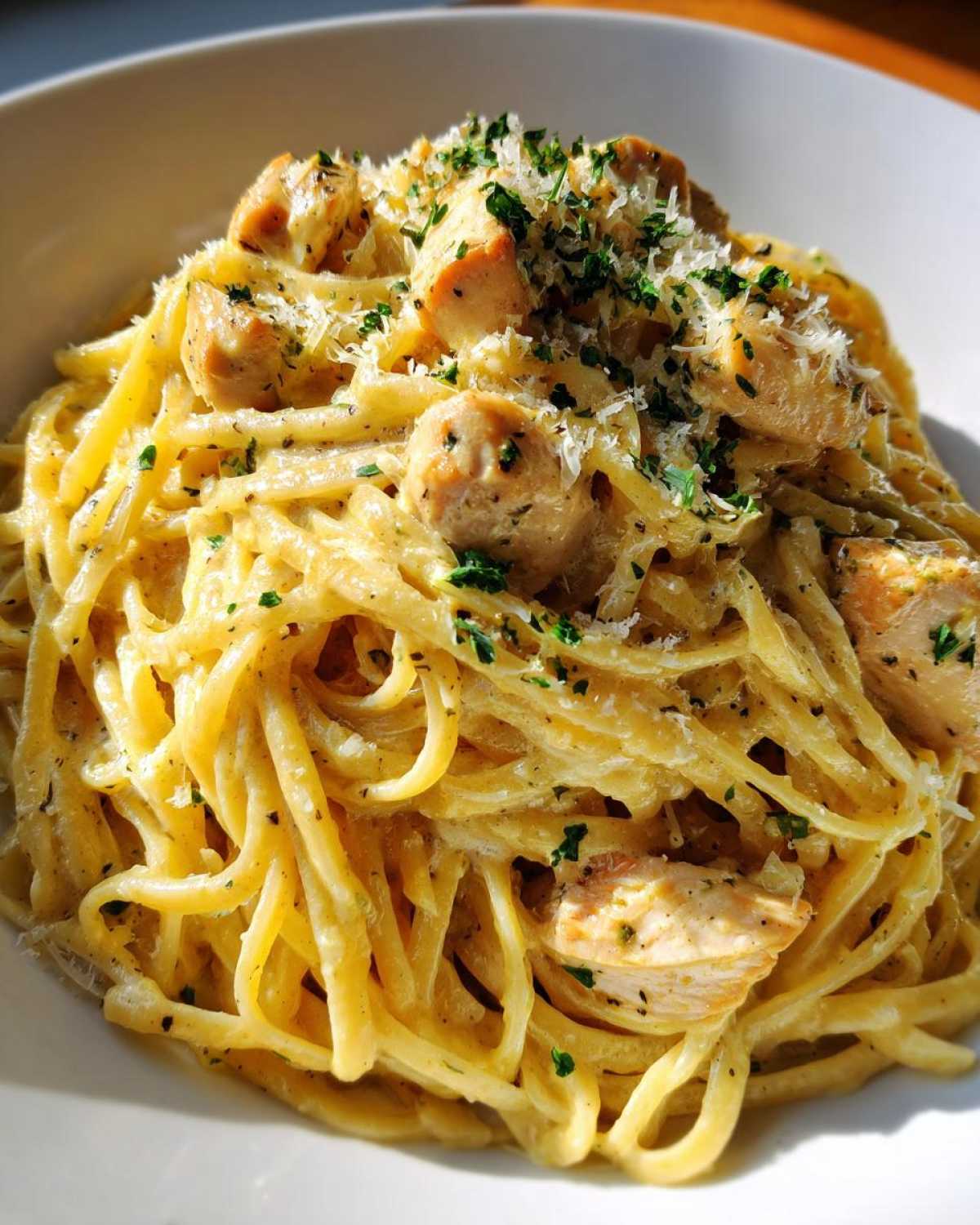
Now we drop the heat to medium. Toss your minced garlic into the same skillet—watch it closely—and let it bloom for just 30 seconds until you can really smell it. Next comes the deglazing step! Pour in your white wine or chicken broth and use a wooden spoon to scrape up all those tasty browned bits stuck to the bottom of the pan. Let that liquid simmer and reduce by about half; that’s pure flavor concentrate right there. Once reduced, pour in the heavy cream and the half-cup of broth. Let this gently simmer for maybe two minutes just until it starts looking a tiny bit thicker. Here’s the crucial part for those Creamy Chicken Pasta Sauce Ideas: take the skillet completely off the heat before you stir in the Parmesan cheese. Mix it until it’s smooth as velvet.
Combining and Finishing the Creamy Lemon Chicken Pasta with Parmesan
With the heat off, stir in your lemon zest and that fresh lemon juice—this is what makes it bright! Now, put your cooked chicken back into the skillet. Add in your drained pasta and toss everything vigorously until every single noodle is coated in that beautiful sauce. If things look a little tight or sticky, splash in just a touch of that reserved pasta water until you hit that perfect, luxurious consistency. Finally, stir in your fresh parsley. Give it a good taste now—does it need more salt? More pepper? Only when you taste it now will you know exactly what it needs before serving it hot with that extra sprinkle of Parmesan!
Tips for the Best Creamy Lemon Chicken Pasta with Parmesan
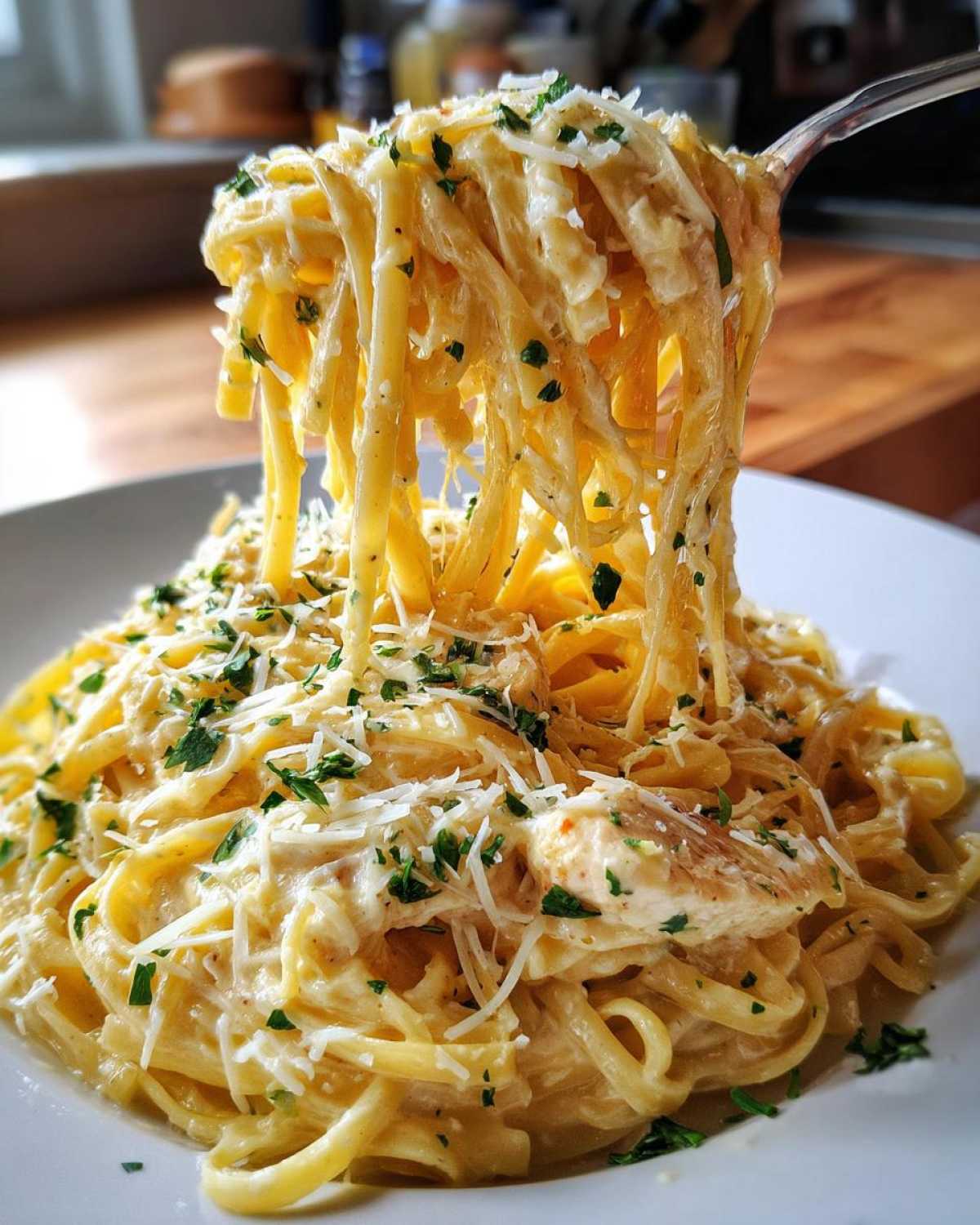
Listen, I’ve been there. You throw everything in, it looks great simmering, and then you add the cheese and BAM! It turns grainy or oily. Don’t worry, we all have that kitchen moment. This dish relies on really good technique when building the sauce, which is how you get that gorgeous restaurant finish every single time. It’s all about respecting the dairy and the citrus!
The single most important factor that sets this apart from a basic chicken pasta is that lemon zest. You see, bottled juice just doesn’t carry the same aromatic oils. That zest is where all the bright perfume lives—it gives you that incredible Lemon Zest Pasta Inspiration that cuts through the heavy cream. I usually use a Microplane grater because I want only the bright yellow part, avoiding that bitter white pith underneath.
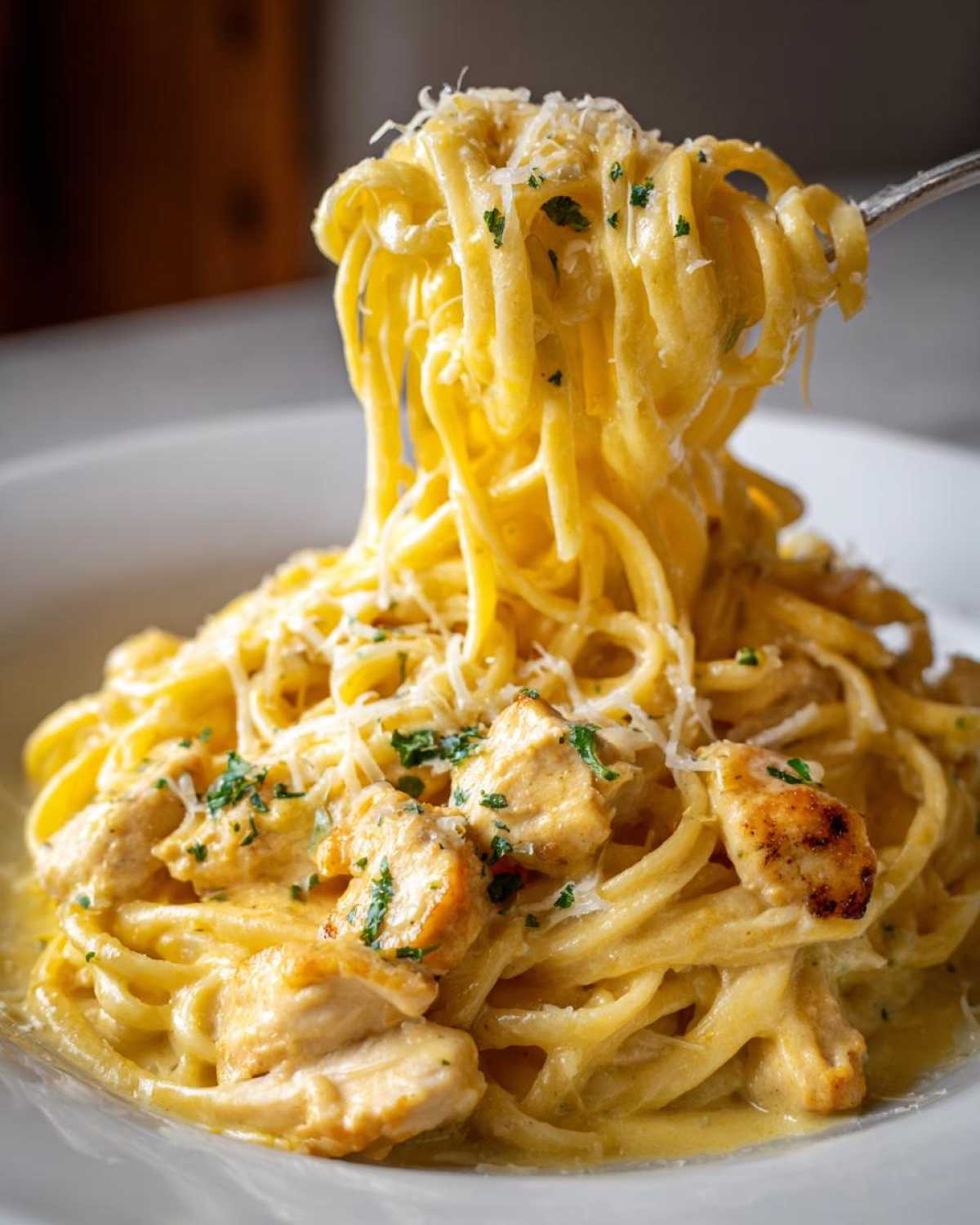
When it comes to thickness, remember that magical pasta water we saved? That’s your insurance policy. I once totally misjudged how much liquid the hot pasta would soak up, and my sauce went from creamy to cement in about thirty seconds flat. Oops! The fix was simple: scrape the pan back onto low heat, add a splash of that starchy water, and stir like crazy off the heat. The starch acts immediately to loosen the sauce and bind it back together without needing more cream. You never want to boil the sauce once the cheese is in, so keep that pasta water handy!
Here are my foolproof rules to guarantee success:
- Temperature Control is Everything: Always turn off the heat or remove the skillet from the burner before stirring in the Parmesan cheese and lemon juice. If the residual heat is too high, the cheese proteins tighten up, and you get a greasy mess instead of a smooth blanket.
- Use Fresh, Never Bottled: I cannot stress this enough about the lemon juice. Fresh juice emulsifies better and tastes infinitely cleaner. Bottled juice has preservatives that dull that necessary zing.
- Don’t Over-Reduce the Dairy: Let the cream come to a simmer, but don’t let it bubble violently or cook down too much before adding the cheese. We want the Parmesan to incorporate smoothly into the liquid, not thicken the liquid too aggressively.
Ingredient Notes and Substitutions for This Recipe
I get so many questions about substitutions, and honestly, it’s mostly because people don’t always keep white wine chilling! Don’t stress if you need to swap things out; that’s just part of cooking regularly. While I stand by the original ingredient list for the absolute best creamy garlic parmesan baked chicken profile, small tweaks are fine.
Let’s talk about the wine situation first. If you aren’t using that dry white wine—maybe you’re avoiding alcohol or just ran out—the chicken broth works beautifully as a substitute. When you go to deglaze, just make sure the broth you use is low-sodium. If it’s salty, your final sauce will be way too much salt, and we hate having to pull back flavor once it’s added!
Regarding the pasta shape, I usually recommend fettuccine or linguine because they have surface area. But hey, life happens! If you only have penne, rotini, or even rigatoni, go for it. The sauce will cling differently—it might settle more inside the tubes rather than coating the outside—but it will still be delicious. Just make sure you toss it really well when you combine everything.
Making It Even Richer (If You Dare!)
This recipe is already pretty luxurious with the heavy cream, but sometimes, you just want to lean into the decadence, right? I do this when I’m making this for a holiday or a big Sunday dinner. The note mentioned swapping out half the heavy cream for cream cheese, and oh my goodness, it’s dangerous!
You’ll want to take maybe half a cup of that heavy cream measurement and use half a cup of softened cream cheese instead. Make sure that cream cheese is fully softened up—room temperature is key. When you add it to the simmering broth/cream mixture, use a whisk and stir it until it melts seamlessly into the sauce. It adds an extra layer of tanginess and thickens the sauce without any fuss, making it taste even more like something you’d pay way too much for at a fancy Italian place.
The Parmesan Cheese Debate
Are you buying the pre-grated container stuff? If so, please stop! Just for this recipe, I beg you: get a wedge of good quality Parmigiano-Reggiano or Grana Padano and grate it yourself right before serving. The bagged stuff has anti-caking agents in it that stop it from melting smoothly into a sauce. It will make your sauce gritty, which is the opposite of what we want for this Savory Creamy Entrees dish. A little effort goes a long way here!
Variations on Your Creamy Lemon Chicken Pasta
Now that you have the ultimate foundation—that bright, zesty, creamy base—we can start having some real fun customizing it! Look, every great recipe should be moldable, right? I love experimenting with this one. It’s fantastic as is, but sometimes you want something heartier, or maybe you just need to use up that bag of spinach hiding in the fridge. These little tweaks allow you to transition this dish into totally new flavor territory without ruining the integrity of that gorgeous sauce we made.
Think of it this way: the base cream, lemon, and Parmesan blend is our canvas. We just need to pick the right paint colors!
Sneaking in Some Green Goodness
This is my go-to move when I need to feel a tiny bit less guilty about eating three bowls of pasta! Vegetables wilt down beautifully into this sauce and add great color without overpowering that essential lemon flavor. I usually do them right after I’ve cooked the chicken and before I start building the sauce.
- Spinach for Days: About four big handfuls of fresh baby spinach works wonders. Just toss it into the hot skillet right after you pull out the chicken. It will look like way too much, but it wilts down in about 90 seconds flat. Stir it into the cream mixture later, and the color contrast is just stunning.
- Mushroom Lovers Unite: If you’re a fungus fan, sauté half a pound of sliced mushrooms alongside the chicken, or right before the garlic goes in. You want them nice and brown to bring out their nutty, earthy flavors. They pair beautifully with the Parmesan, leaning us slightly toward a richer profile.
- A Touch of Sun-Dried Tomato: If you have some oil-packed sun-dried tomatoes, slice a few up and toss them in when you add the garlic. They add concentrated sweetness and a slightly chewy texture. They are amazing!
Shifting the Herb Focus
Parsley is classic—it’s fresh, it’s clean, and it brightens everything up. But if you want to shift the entire vibe of this meal, the herbs are your easiest lever to pull. This is how we move toward that slightly different, more savory flavor profile.
If you’re aiming for something that tastes a bit more like a restaurant’s creamy Tuscan chicken recipe without adding tomatoes or spinach, switch up the parsley for fresh thyme or basil. I usually replace about half the parsley with one of these!
- Thyme for Sophistication: Use about one teaspoon of fresh thyme leaves mixed in with the parsley at the end. Thyme goes incredibly well with chicken and adds a warm, earthy note that complements the lemon without fighting it.
- Basil for Italian Flair: If you’re leaning into the Parmesan aspect, use fresh basil instead of parsley. Remember that basil is much more delicate, so only stir it in right before serving to keep its bright green color and flavor intact.
- A Hint of Oregano: For a more savory blend that moves closer to a classic Garlic Parmesan Chicken Pasta vibe, sneak in just a quarter teaspoon of dried oregano when you add the broth to the skillet. It’s subtle, but it adds depth!
These small changes are how you make a recipe truly *yours* without needing a completely different ingredient list. Happy experimenting!
Serving Suggestions for This Family Favorite Chicken Dinner
Okay, you’ve made this fantastic, rich, zesty pasta, and now you’re thinking, “What else goes on the plate?” Because this Creamy Lemon Chicken Pasta with Parmesan is definitely the star of the show, we need side dishes that play a solid supporting role. We don’t want anything too heavy or too strong that tries to compete with that bright lemon or the creamy Parmesan sauce. If you’re looking for another cozy, comforting dish, I have a recipe for a homemade Reuben bake casserole, but honestly, for this pasta, think light and green!
When you have a sauce this good, your main goal is either something crisp to contrast the silkiness or something absorbent to soak up every last drop left in your bowl. Don’t overthink it; simple is always best here!
Light Salad Pairings to Cut the Richness
A really crisp, acidic salad is your best friend here. The slight sharpness of the vinegar dressing hits the palate beautifully right after the creamy pasta, cleaning things up and getting you ready for the next bite. You don’t need anything complicated.
- The Simple Green House Salad: I usually make just mixed greens—romaine, maybe some spring mix. Throw in thinly sliced cucumber and maybe a few slivers of red onion if you like that bite. The secret is the dressing: whip up a super quick vinaigrette using good quality olive oil, white wine vinegar, a tiny pinch of sugar, salt, and pepper. Keep it tangy!
- Arugula with Shaved Parmesan: If you want to lean into the Italian flavors, use peppery arugula as your base. Toss it lightly with lemon juice and olive oil. You can even toss some extra shaved Parmesan right into the salad—it mirrors the pasta topping perfectly. It’s only a few extra seconds but adds such a nice bitterness to balance the sweetness of the cream.
- Roasted Asparagus: If you want something warm but not heavy, throw a bunch of asparagus in the oven while the pasta is cooking. Toss it with olive oil, salt, and garlic powder, roast at 400 degrees until tender-crisp, and finish it with a squeeze of lemon. That char flavor is wonderful against the smooth sauce.
Bread for Sopping Up Every Last Drop
Let’s be real, the best part of any saucy pasta dish is that moment when you realize there’s still sauce clinging to the bottom of the bowl, and you need something to scoop it up. Never, ever leave good sauce behind!
You have options here, depending on how much effort you want to put in:
- Crusty French Bread: This is the classic choice for a reason. Get a good loaf from the bakery, put it on a baking sheet, brush it very lightly with a little melted butter and garlic powder, and toast it for about five minutes until the edges are crunchy. It’s perfect for dipping.
- Garlic Breadsticks: If you’re feeling extra, homemade breadsticks are amazing, but if you’re short on time, just use store-bought breadsticks warmed up in the oven. They offer that satisfying chew while still being great for dipping.
Honestly, these sides are all about letting that beautiful, bright, zesty Lemon Parmesan Chicken Pasta flavor be the absolute highlight!
Storing and Reheating Your Creamy Lemon Chicken Pasta with Parmesan
Oh, the dreaded leftovers question! While this Creamy Lemon Chicken Pasta with Parmesan is truly at its peak flavor the moment it comes out of the pan, sometimes we just can’t finish it all in one sitting. Believe me, having this tucked away in the fridge for lunch the next day is a culinary gift to your future self. However, because we’re dealing with a dairy-heavy sauce—that beautiful mix of cream and Parmesan—we have to be a little careful when reheating it, or you risk that lovely smooth texture turning into something resembling grainy cottage cheese!
My general rule for packing it up mirrors what I always do with my easy crockpot beef stew: airtight container and into the fridge quickly. It keeps wonderfully for about three days max.
The Big Reheating Rule: Low and Slow
My number one warning for reheating any cream sauce is never, ever to blast it on high heat in the microwave or on the stovetop. High heat seizes up those dairy proteins, separating the fat from the liquid, and that’s how you lose the silkiness. We want to gently coax that sauce back to life!
If you are reheating a single serving in the microwave, use 50% power for 30-second bursts, stirring very well in between each burst. It takes longer, but it prevents that horrible splitting.
Bringing Back That Perfect Consistency
The biggest issue upon reheating is that the pasta absorbs a ton of moisture while chilling, leaving the sauce clinging too tightly. You need to reintroduce liquid to loosen it up and make it glossy again. This is where that magic pasta water we saved comes in handy again, but if you finished it off, don’t panic!
You have two great options for adding moisture back in when you reheat:
- The Pasta Water Savior: If you saved it, gently stir in a tablespoon or two of the reserved starchy pasta water while reheating on low heat. The starch helps re-emulsify the sauce beautifully.
- Milk or Half-and-Half: If you didn’t save the water, use a splash of whole milk or half-and-half. Milk is gentle and helps carry the fat through the sauce again. Just add a teaspoon at a time until the sauce loosens up and coats the pasta again.
Remember to only add the liquid *just* until it’s the consistency you want. You don’t want to thin it out so much that all that wonderful lemon and Parmesan flavor gets watered down. Taste it after you add a splash, and then decide if it needs another tiny bit. A final sprinkle of fresh Parmesan on top right before eating makes it taste newly made!
Frequently Asked Questions About Lemon Parmesan Chicken Pasta Recipe
I get asked about this recipe constantly, especially when people are trying to figure out how to balance richness and brightness in a dish. Since this recipe is one of my absolute favorites for a Quick Chicken and Pasta turnaround, I’ve gathered up the most common things folks wonder about before they start cooking!
Can I make this a one-pot Creamy Pasta Chicken dish?
That is the eternal question, isn’t it? You want maximum flavor with minimum cleanup! Honestly, for the absolute best texture, my method requires cooking the pasta separately. Why? Because you absolutely need that starchy pasta water to control the sauce consistency right at the end. If you cook the pasta directly in the sauce with the cream, the starches release too quickly and often make the final texture either gummy or thick paste instead of silky smooth.
However, if cleanup is your absolute biggest enemy, you can try a true one-pot method. Cook your chicken first, set it aside. Then add the wine/broth, cream, and uncooked pasta to the skillet. Cover with just enough water or broth to cover the pasta completely. Let it simmer, covered, stirring frequently, until the pasta is cooked. You’ll likely need to add a little more liquid halfway through. Once the pasta is tender, take it off the heat and finish by stirring in the cheese and lemon just like normal. It takes more watching, but yes, it’s totally possible!
How do I ensure my sauce stays smooth and doesn’t break?
This is the moment of truth! If you try to melt the Parmesan cheese or stir in the lemon juice while the pan is still boiling on high heat, the sauce will absolutely break. It separates, and you get bits of oily fat floating around instead of that beautiful, unified sauce. It’s heartbreaking!
The trick to achieving that perfect Restaurant Style Lemon Pasta texture is timing the additions outside of direct heat. Once the heavy cream and broth have simmered down slightly, take the entire skillet OFF the burner. Seriously, lift it up and set it on a cool spot on the counter. Wait about 30 seconds. Then, slowly sprinkle in the grated Parmesan, stirring constantly until it melts in completely. Do the same with the lemon juice and zest—add them when the pan is off the heat. The residual warmth is enough to melt the cheese beautifully and incorporate the acid without scrambling the sauce. That’s the secret handshake for a perfect emulsion!
Is this recipe freezer-friendly for later meals?
I generally advise against freezing creamy pasta sauces that rely heavily on cream and cheese, especially if you’ve used delicate flavorings like fresh lemon. When dairy-based sauces freeze and thaw, they often change texture dramatically, becoming grainy or watery even after careful reheating. For this amazing Lemon Parmesan Chicken Pasta Recipe, it’s truly best fresh. If you have leftovers, stick to refrigeration for a day or two!
Can I use chicken thighs instead of breasts?
Absolutely! Chicken thighs are fantastic because they have more fat, meaning they stay juicier even if you accidentally cook them a minute or two too long. If you use thighs, make sure you trim off any large pieces of excess fat before dicing them. Because they are often thinner, they might cook slightly faster than the breasts, so just keep an eye on them while searing!
What makes this dish taste like I ordered it out?
It comes down to three things: the quality of the cheese (use freshly grated!), the reliance on fresh lemon juice AND zest, and the deglazing step. Reducing that wine or broth after the garlic blooms concentrates the flavor base so much that the cream just floats on top of that incredible captured essence. That depth of flavor is what screams “restaurant quality”!
PrintCreamy Lemon Chicken Pasta with Parmesan
A recipe for rich, creamy pasta featuring tender chicken, bright lemon flavor, and sharp Parmesan cheese.
- Prep Time: 15 min
- Cook Time: 20 min
- Total Time: 35 min
- Yield: 4 servings
- Category: Dinner
- Method: Stovetop
- Cuisine: American
- Diet: Vegetarian
Ingredients
- 1 pound pasta (fettuccine or linguine recommended)
- 1.5 pounds boneless, skinless chicken breasts, cut into bite-sized pieces
- 2 tablespoons olive oil
- 2 cloves garlic, minced
- 1/2 cup dry white wine or chicken broth
- 1 cup heavy cream
- 1/2 cup chicken broth
- 1/2 cup grated Parmesan cheese, plus more for serving
- Zest of 1 large lemon
- Juice of 1 large lemon (about 3 tablespoons)
- 1/4 cup fresh parsley, chopped
- Salt and black pepper to taste
Instructions
- Cook the pasta according to package directions until al dente. Reserve about 1 cup of the starchy pasta water before draining. Set the drained pasta aside.
- Season the chicken pieces generously with salt and pepper.
- Heat the olive oil in a large skillet over medium-high heat. Add the chicken and cook until golden brown and cooked through, about 5 to 7 minutes. Remove the chicken from the skillet and set aside.
- Reduce the heat to medium. Add the minced garlic to the skillet and cook for 30 seconds until fragrant.
- Pour in the white wine or chicken broth and let it simmer, scraping up any browned bits from the bottom of the pan, until the liquid is reduced by half.
- Stir in the heavy cream and the remaining 1/2 cup of chicken broth. Bring the mixture to a gentle simmer and cook for 2 minutes until slightly thickened.
- Remove the skillet from the heat. Stir in the grated Parmesan cheese, lemon zest, and lemon juice until the sauce is smooth.
- Return the cooked chicken to the skillet. Add the drained pasta. Toss everything together to coat the pasta evenly with the sauce.
- If the sauce seems too thick, add the reserved pasta water, one splash at a time, until you reach your desired consistency.
- Stir in the chopped fresh parsley. Taste and adjust seasoning with more salt and pepper if needed.
- Serve immediately, topped with extra grated Parmesan cheese.
Notes
- For a brighter flavor, use fresh lemon juice only; bottled juice changes the taste.
- If you prefer a richer sauce, substitute half of the heavy cream with cream cheese, softened.
- Add sautéed mushrooms or spinach along with the chicken for added vegetables.
Nutrition
- Serving Size: 1 serving
- Calories: 650
- Sugar: 5
- Sodium: 550
- Fat: 30
- Saturated Fat: 15
- Unsaturated Fat: 10
- Trans Fat: 1
- Carbohydrates: 60
- Fiber: 3
- Protein: 45
- Cholesterol: 150