

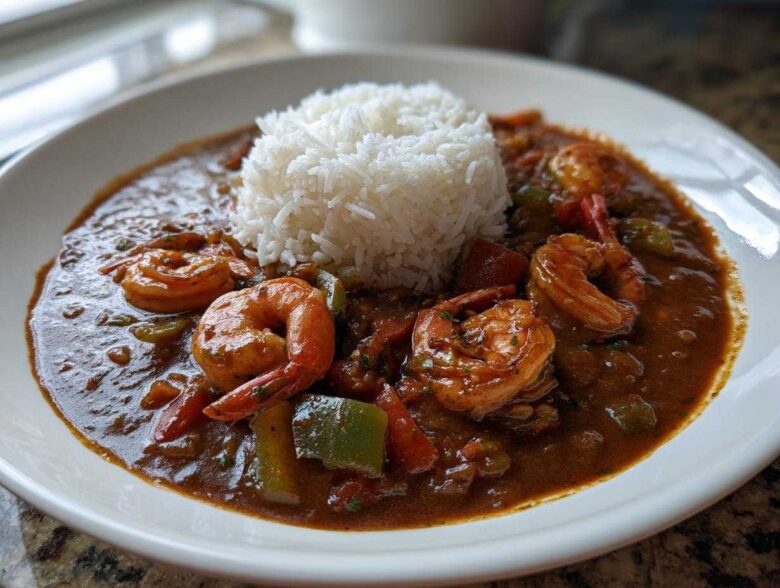
If there is one cuisine that just forces you to put on great music and enjoy the process, it’s anything that hails from Louisiana. Seriously, you can’t rush the good stuff, and making a true, soul-satisfying shrimp etouffee is definitely the good stuff! When Owen and I were first trying to figure out how to cook meals that felt like an event instead of a chore, we kept seeing recipes that called for a quick roux and ended up with bland, thin sauces. We knew we were missing the heart of this Creole Seafood Dish! That’s when we committed: we needed to master the dark roux. Trust me, once you nail that deep, nutty base, you unlock the real magic of this smothered shrimp favorite. You can read more about our kitchen revelations over on our About Us page!
Why This Authentic Shrimp Etouffee Recipe is Your New Headline Meal
Okay, so why should you stop scrolling and give this specific shrimp etouffee recipe a go? Because this isn’t just dinner; this is announcing some seriously good news right in your own dining room! We learned the hard way that shortcuts in Cajun cooking just don’t pay off. This recipe delivers exactly what you want when you’re craving that deep, soulful flavor. Plus, you can check out all our latest dishes when you visit our main blog page!
- It’s pure Louisiana Comfort Food. You get that thick, satisfying texture that just hugs your spoon.
- This is Flavorful Cajun Cooking at its best—bold, spicy, and deeply nutty on the finish.
- You get that true, authentic taste that separates the real deal from the quick fix.
The Secret to Shrimp Etouffee: Mastering the Dark Roux
Listen, if you take one thing away from this whole process, let it be this: the roux is everything! For us, this step is what turned a decent dinner into a showstopper. The goal here is an Authentic Cajun Etouffee, and that means beating the heat until your flour and oil mixture looks like dark chocolate milk, or maybe even a penny. Don’t let the color scare you! That deep brown color isn’t about scorching the flour; it’s about unlocking incredible, toasted, nutty depths that tomato paste or extra cayenne just can’t replicate. It takes patience, but that dark color sings the song of the bayou right into your pot.
Quick Prep for a Weeknight Seafood Meal
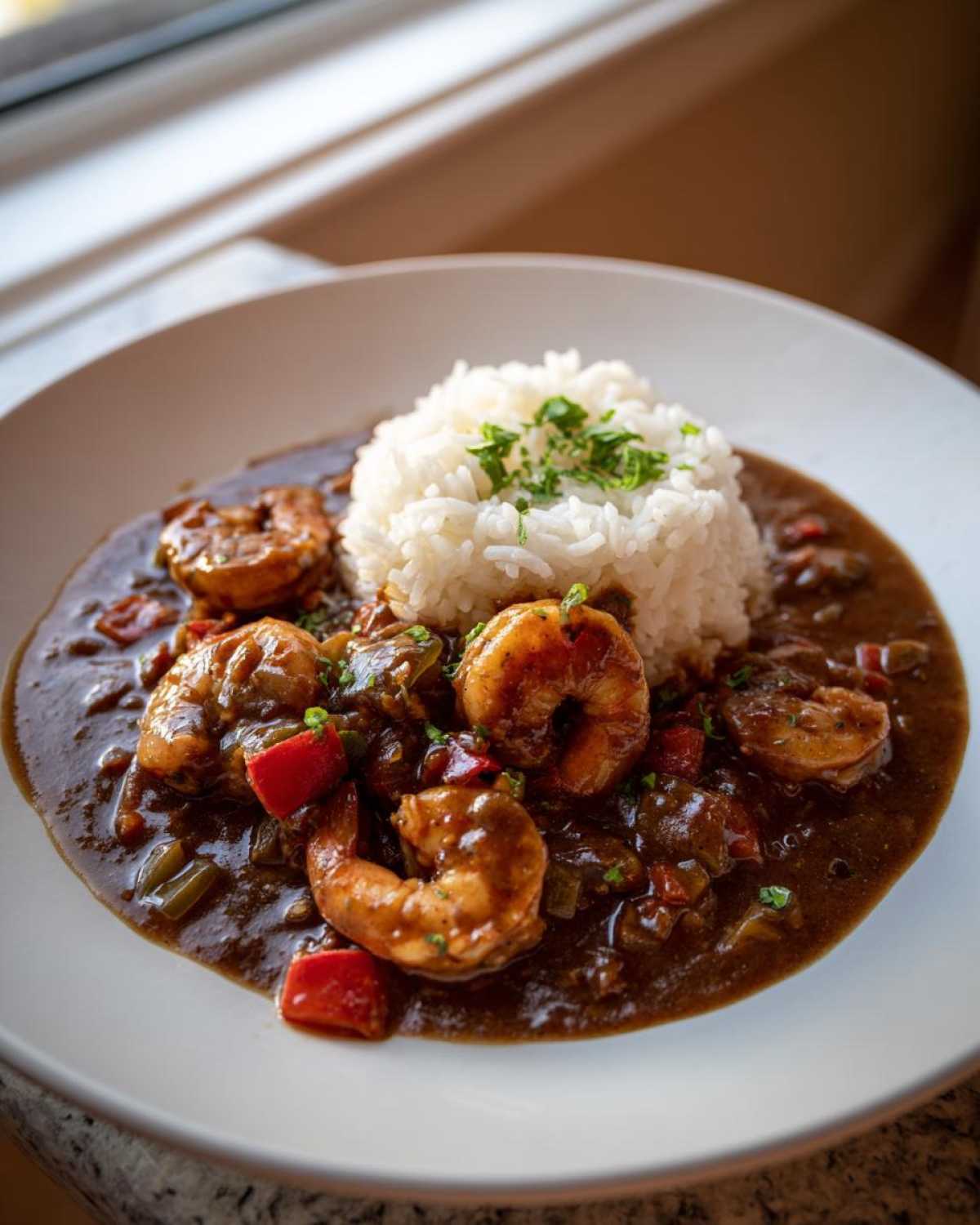
I know what you’re thinking—a dark roux sounds like it takes half a day! And yes, the cook time is about an hour total, but the active prep time is surprisingly fast! Once that roux is made, the veggies go in, and things move quickly. You can definitely get this fantastic rich seafood stew on the table right after work, which makes it a perfect Weeknight Seafood Meal. We aimed for a manageable 70 minutes total without burning the base, and I think we nailed it!
Gathering Your Ingredients for Shrimp Etouffee
Alright, friend, this is where we get serious about flavor—and trust me, you can’t fake the ingredients in an Authentic Cajun Etouffee. Every single component plays a role in building up that glorious, smothered flavor profile. If an ingredient isn’t listed, it probably doesn’t belong. We need precision here so you get the absolute Best Shrimp Etouffee the very first time you try it!
Here’s exactly what you need to round up for this amazing Smothered Shrimp Recipe:
- 1 cup all-purpose flour (This is for our roux base!)
- 1 cup vegetable oil (Or another high smoke point oil for the roux)
- 2 cups chopped yellow onion (Don’t skimp on the onion!)
- 1 cup chopped celery
- 1 cup chopped green bell pepper (That’s the start of your holy trinity!)
- 4 cloves garlic, minced
- 1 pound large shrimp, peeled and deveined (Size matters here!)
- 4 cups shrimp or seafood stock (It has to be warm or hot when you add it!)
- 1 (14.5 ounce) can diced tomatoes, undrained
- 1 teaspoon dried thyme
- 1 teaspoon dried oregano
- 1/2 teaspoon cayenne pepper (We need this for that classic kick)
- 1 bay leaf
- Salt and black pepper to taste
- 1/4 cup chopped green onions, for garnish (Gotta have that fresh green pop on top!)
- Cooked white rice, for serving (The essential bed for this Southern Classic Seafood)
Ingredient Notes and Substitutions for Shrimp Etouffee
I love talking ingredients because this is where you adapt things slightly without losing the soul of the dish. First up: the stock! While shrimp stock is definitely the gold standard for an intense New Orleans Shrimp Recipe, if you truly cannot find it, use a good quality, low-sodium seafood stock. If that’s impossible, chicken stock is your next-best substitute, though you might feel you need to boost the spice a tiny bit to compensate for the lost depth.
When it comes to the shrimp, please use large ones! We want plump, flavorful bites swimming in that gravy, not tiny things that dissolve during the last five minutes of cooking. As for the heat? We started with half a teaspoon of cayenne, but Owen always sneaks in just a whisper more because he loves that slow burn. Taste your diced tomatoes; if they are surprisingly mild, feel free to bump that cayenne up to a full teaspoon for a real Flavorful Cajun Cooking experience.
Step-by-Step Instructions for Your Shrimp Etouffee Recipe
This is it—the part where we stop talking about flavor and actually build it! Making this Authentic Cajun Etouffee really comes down to three main phases: the foundational roux, building the gravy with the holy trinity and stock, and finally, finishing it with the shrimp. Don’t rush anything up front, especially the roux, or you risk losing the depth you’re aiming for. As Owen always says when we’re making soup or stew—like our easy crockpot beef stew—the real talking happens during the simmer, but first, we have to set the stage properly.
How to Make Roux for Etouffee: Patience is Key
This is Step 1, and it demands your full attention! Grab a heavy-bottomed pot or Dutch oven—we need even heat control for this long cook. Over medium heat, combine your cup of flour and cup of oil. Now listen carefully: you must stir this constantly, I mean constantly, until it hits that perfect dark brown color. We are talking the shade of milk chocolate, maybe even approaching dark copper. You cannot walk away! If you see black specks, scrap it and start over, because burned roux tastes like ash and ruins the whole shrimp etouffee. This might take 15 to 25 minutes depending on your stove, so put on Owen’s best slow-jam playlist and just grind away at that whisking motion!
Building the Flavor Base: The Holy Trinity and Simmering
The second you hit that perfect dark color, that’s your cue! Immediately dump in your onion, celery, and bell pepper (that’s the holy trinity!). Stir it like crazy for about five to seven minutes. The heat from the roux will cook these vegetables down, and you might notice the roux suddenly stiffens up a bit—it’ll look like it seized. That’s totally normal! Just keep stirring until everything softens up. Next, toss in the garlic and cook just until you can really smell it, about 60 seconds.
Now for the scary part: the liquid. Take that warm seafood stock and whisk it in slowly, just a little bit at a time. You have to whisk carefully to make sure all that thick roux dissolves into the stock smoothly. If you dump it all in at once, you will end up with lumps, and nobody wants lumpy gumbo sauce! Once the stock is in, whisk in your tomatoes (juice and all), the thyme, oregano, cayenne, and the bay leaf for flavor. Bring this mixture up to a gentle boil, then immediately drop the heat down to low, cover it slightly ajar, and let it simmer for a full 30 minutes. This is where the flavor deepens into that complex, incredible Homemade Etouffee Sauce we are looking for.
Finishing Your Smothered Shrimp Recipe
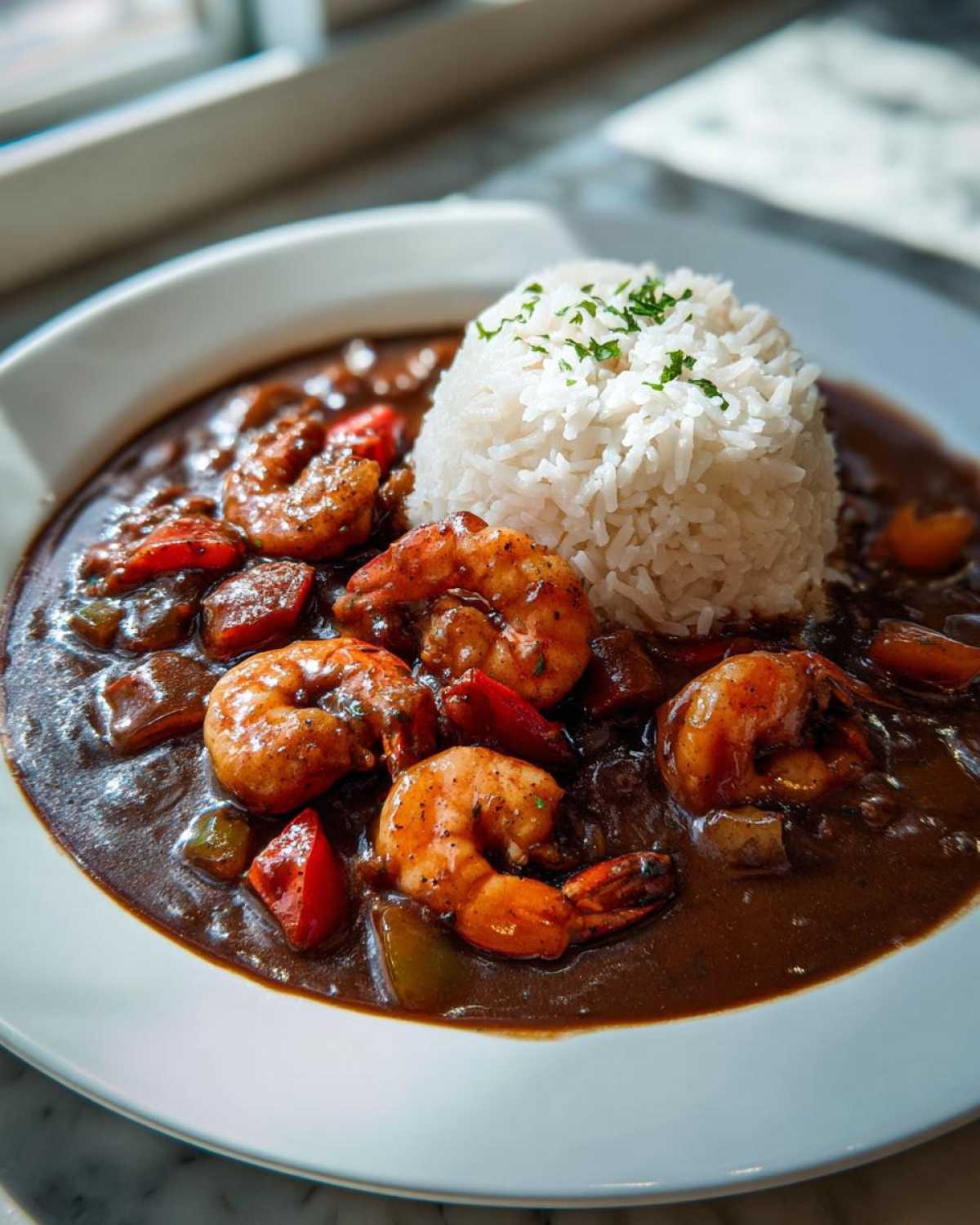
The waiting is over! After that half-hour simmer, it’s time for the star of the show: the shrimp. Gently stir in your fresh, peeled shrimp. You only need about five to seven minutes for these babies to turn pink and curl up. Honestly, you need to watch them like a hawk—overcooked shrimp in an étouffée is a culinary tragedy! As soon as they look opaque and fully cooked, pull the heat. Remove that bay leaf, too; we don’t want anyone biting into that.
Taste everything now! This is your last chance to adjust salt and black pepper to make sure it tastes exactly how you want it. Finally, serve this magnificent Smothered Shrimp Recipe immediately. Don’t forget the mandatory base: pile that rich, dark gravy right over a generous scoop of hot, fluffy white rice. That’s how you serve a classic Shrimp Served Over Rice!
Expert Tips for the Best Shrimp Etouffee
I have to be open with you all. My first venture into the dark roux life? It was a disaster. I was watching the pot, feeling smug, and then I looked away for maybe thirty seconds to mix the tomato can into the stock, and when I looked back, the bottom of the pot looked suspiciously dark—like, black hole dark. That familiar smell of burning sugar hit me, and I almost cried! I had to dump the whole thing and restart. That taught me my biggest lesson: when you’re making the roux for Authentic Cajun Etouffee, you are married to that pot. Never look away; keep scraping up the sides and bottom. It’s a small sacrifice for massive flavor, I promise!
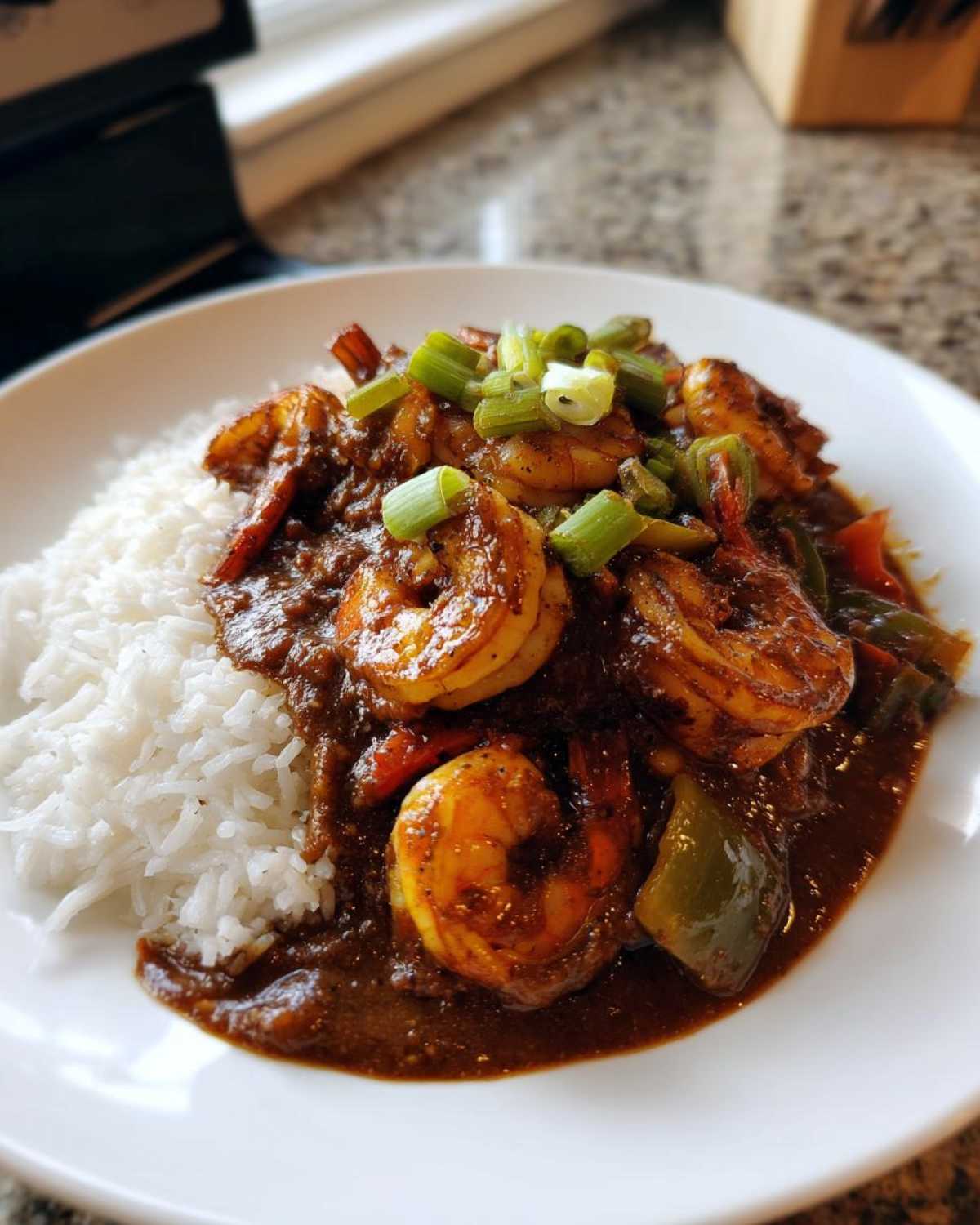
Now, let’s talk about that next-level texture. We aren’t aiming for thin soup here; we want that beautiful, thick, almost glossy coating that you see when you order the Best Shrimp Etouffee at a top New Orleans spot. Getting that requires attention to the simmering step where the roux melts into the stock. Don’t rush that 30 minutes of low, slow cooking! That time lets the flour work its magic and thicken everything naturally.
If you’ve ever tried that famous restaurant version, the one that feels incredibly rich and velvety? That’s often thanks to a little bit of cream added at the very end. If you want to give your shrimp etouffee that restaurant-inspired texture, I highly recommend adding a splash of heavy cream during the final five minutes of simmering. We tried this out when Stella was trying to replicate that specific Pappadeaux style dish we had years ago—you can read about that creamy version here. It makes it slightly less traditional, yes, but wow, it is luxurious! If you’re looking for a different kind of comfort casserole, check out my creamy chicken lasagna next time you need a crowd-pleaser.
Serving Suggestions for Your Creole Seafood Dish
Now that you have this magnificent, dark, rich shrimp etouffee simmering away, we have to talk about how to present this gorgeous Spicy Shrimp Gravy! Remember, in Louisiana cooking, the presentation is just as important as the first bite. This dish is so flavorful and satisfying that it really only needs one thing underneath it, but we can pad the meal out nicely too.
First things first: the rice. This is non-negotiable! Your étouffée needs a sturdy, fluffy mountain of freshly cooked white rice to sit upon. The rice isn’t just a side dish; it’s the sponge that soaks up every single drop of that savory sauce. Cook your rice slightly drier than usual so it doesn’t turn mushy underneath the weight of the smothered shrimp.
For what to serve alongside this incredible Louisiana Comfort Food, you want something simple that won’t fight the depth of the roux. We always lean towards something crusty to sop up the bowl clean. My favorite companion is our recipe for crispy fried cornbread. It’s slightly sweet and wonderfully crumbly, which cuts through the spiciness of the étouffée perfectly. If you are looking for a lighter touch, a simple tossed green salad with a sharp vinaigrette works wonders to cleanse the palate between bites of this heavy, **Southern Classic Seafood**.
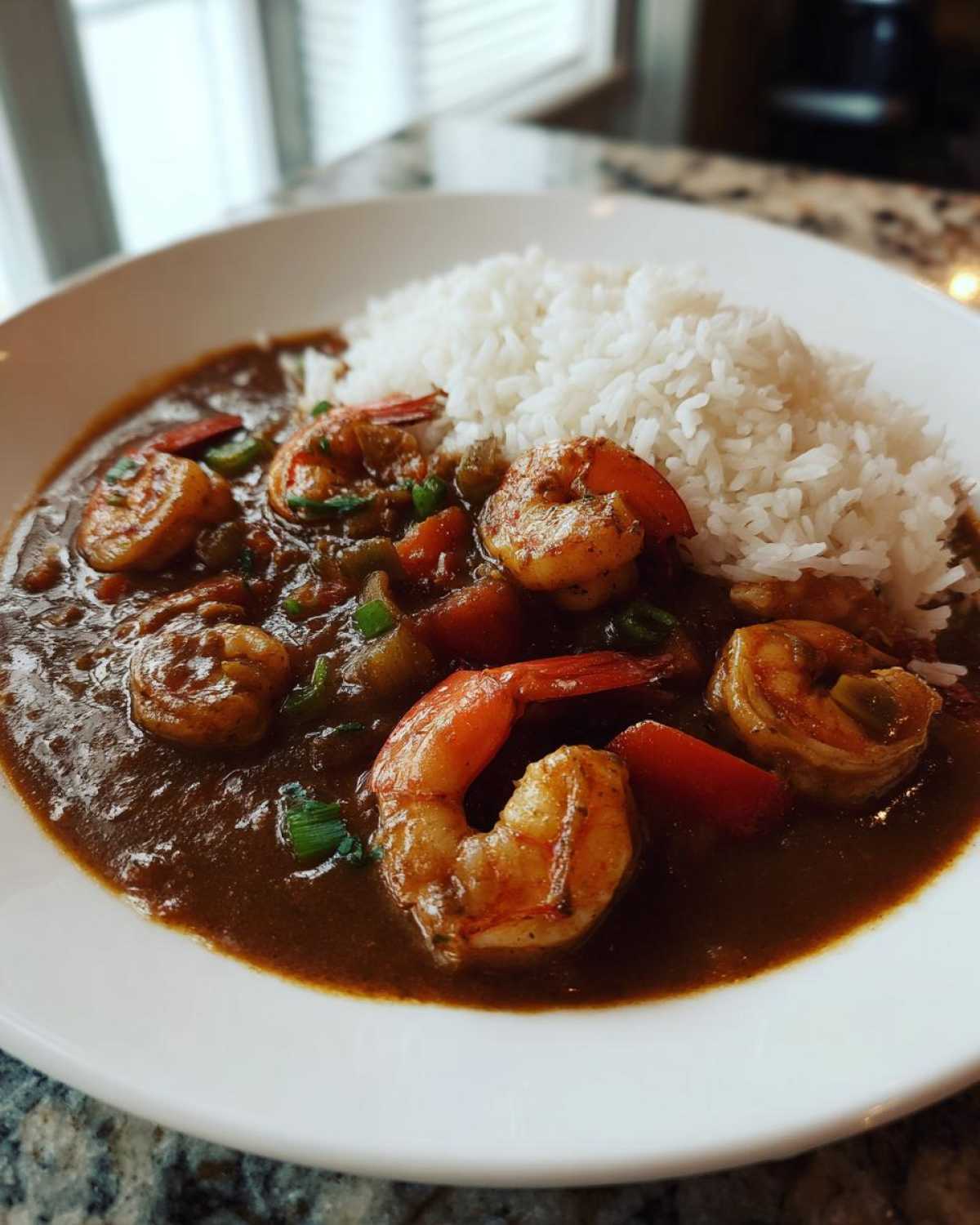
Don’t forget the required garnish! Sprinkle those fresh green onions generously right over the top just before serving. That little burst of fresh onion flavor and bright color makes all the difference!
Storage and Reheating Your New Orleans Shrimp Recipe
We know leftovers of this shrimp etouffee might not last long, but just in case you manage to hold some back, proper storage keeps that roux happy! Once completely cooled, transfer your étouffée to an airtight container. It’ll keep beautifully in the fridge for up to three days. When you’re ready for round two of this rich seafood stew, skip the microwave if you can. The stovetop is the best way to revive it; just reheat gently over low heat, stirring often until warmed through. This careful reheating keeps the sauce smooth and prevents the shrimp from getting tough!
Frequently Asked Questions About Shrimp Etouffee
I always get so many questions when people try this recipe for the first time, especially when they’re facing down a dark roux for the first time! That’s totally normal for Flavorful Cajun Cooking because it feels like there are so many strict rules. But don’t worry; we are here to clear up any confusion so you can feel confident serving this Louisiana Comfort Food!
Can I make this Easy Shrimp Etouffee ahead of time?
Oh, absolutely! This is one of those fantastic dishes that honestly tastes even better the next day once all those deep, dark roux flavors have married properly. However, here is my big tip: make the entire sauce base—from the roux right up to the 30-minute simmer—the day before. Once the sauce is cooled and stored, save the shrimp! The shrimp only need about five minutes to cook when you are ready to eat. If you cook them ahead of time and reheat them in the sauce, they will get rubbery. So, prep almost everything, cook it, chill it, and then drop in the shrimp right before serving for a truly Quick Shrimp Dinner!
What is the difference between Cajun and Creole Seafood Dish?
This is such a fun distinction! Both cuisines are wildly delicious, but they have small key differences, often revolving around the roux. In general, the Authentic Cajun Etouffee we are making here (which leans a little heavier on the dark roux tradition) often skips the tomatoes completely or uses just a tiny amount. That dark roux gives it a deep, smoky flavor. Creole cooking, on the other hand, generally uses a lighter roux and almost always includes tomatoes, garlic, and sometimes more fresh herbs. Because our recipe uses a bit of tomato, we fit beautifully into that wonderful, rich Creole Seafood Dish category, bridging both worlds!
How can I make this Quick Shrimp Dinner lower in fat?
That’s a great question, especially if you noticed my notes mentioned this dish is lower in fat based on our estimates per serving (without the rice, of course!). The main fat source in this recipe is the oil needed to create that essential dark roux. You need one cup of oil to one cup of flour to get the right consistency to stir that roux for a long time without burning. To lower the fat, you can try making a half-batch of just the roux base with less liquid added later, or, frankly, you can try making a batch using pre-made dark roux paste, which cuts down on the oil content significantly. I’ll be honest, though—the flavor won’t be quite as deep without that homemade dark roux, but it definitely makes for a faster, lighter dish if you are short on time or oil!
If you want to talk about other lighter meals we love, you should definitely give our easy white chicken enchiladas a try next week!
Nutritional Estimates for Shrimp Etouffee
Now, let’s talk fuel! We love that this shrimp etouffee feels like ultimate indulgence, but when you look at the estimates, it’s actually a powerhouse of protein. Remember, this breakdown covers just one serving of the étouffée itself—it *does not* include the large mound of rice we talked about earlier, which is where most of the carbs will actually land. Every recipe is a little different, especially based on how much salt we all add at the end, but this gives you a really good baseline for planning your weeknight menus.
- Serving Size: 1 serving (without rice)
- Calories: 450
- Protein: 35g (That’s fantastic muscle fuel right there!)
- Fat: 25g
- Saturated Fat: 4g (Pretty reasonable for something this rich!)
- Unsaturated Fat: 21g
- Trans Fat: 0g
- Carbohydrates: 25g
- Fiber: 3g
- Sugar: 4g
- Sodium: 650mg
- Cholesterol: 250mg
I always tell people to think of these numbers as a guideline. If you use low-sodium stock, you can pull that sodium number down easily. If you skip the optional heavy cream finisher we talked about in the expert tips, you shave off a bit more fat. Either way, enjoy this Southern Classic Seafood knowing you’ve got a hearty, satisfying meal on your hands!
Share Your Shrimp Etouffee Kitchen Dance Party
We’ve done the hard, delicious work together! You’ve faced down the dark roux, you’ve smothered those amazing shrimp, and now you have a bowl of the most incredible shrimp etouffee imaginable sitting in front of you. The greatest news now spreads when we share it, right?
This is where you announce *your* good news! We want to hear all about your kitchen adventure. Did your roux turn out that perfect milk chocolate color? Did you find yourself dancing while stirring the simmering sauce? We absolutely live for hearing that this recipe brought a little bit of Louisiana celebration into your home.
Please take a moment to leave a rating for this Authentic Cajun Etouffee recipe down in the comments below. Tell us your secrets, share your spice level adjustments, and if you managed to snap a picture of that velvety, rich sauce, we’d be thrilled if you sent it through our contact page! Hearing from you truly makes our day worth heralding. Now go enjoy that incredible Creole Seafood Dish!
PrintAuthentic New Orleans Shrimp Étouffée: Master the Dark Roux

Learn to make a truly authentic Shrimp Étouffée, a rich, flavorful Creole seafood dish smothered in a dark roux sauce. This recipe brings the taste of Louisiana comfort food right to your kitchen.
- Prep Time: 20 min
- Cook Time: 50 min
- Total Time: 70 min
- Yield: 4 servings
- Category: Dinner
- Method: Stovetop Simmering
- Cuisine: Cajun/Creole
- Diet: Low Fat
Ingredients
- 1 cup all-purpose flour
- 1 cup vegetable oil
- 2 cups chopped yellow onion
- 1 cup chopped celery
- 1 cup chopped green bell pepper
- 4 cloves garlic, minced
- 1 pound large shrimp, peeled and deveined
- 4 cups shrimp or seafood stock
- 1 (14.5 ounce) can diced tomatoes, undrained
- 1 teaspoon dried thyme
- 1 teaspoon dried oregano
- 1/2 teaspoon cayenne pepper (adjust to your spice preference)
- 1 bay leaf
- Salt and black pepper to taste
- 1/4 cup chopped green onions, for garnish
- Cooked white rice, for serving
Instructions
- Make the roux: In a heavy-bottomed pot or Dutch oven, combine the flour and oil over medium heat. Stir constantly until the mixture reaches a dark brown color, similar to milk chocolate. This step requires patience; do not rush it.
- Add the holy trinity: Once the roux is dark, immediately add the chopped onion, celery, and bell pepper. Stir constantly until the vegetables soften, about 5 to 7 minutes. The roux will seize up slightly, but keep stirring.
- Add the garlic: Stir in the minced garlic and cook for one minute until fragrant.
- Build the sauce: Slowly whisk in the seafood stock, a little at a time, ensuring the roux dissolves smoothly into the liquid to prevent lumps.
- Simmer: Add the diced tomatoes, thyme, oregano, cayenne pepper, and bay leaf. Bring the mixture to a simmer, then reduce the heat to low. Cover and cook for 30 minutes, stirring occasionally. This allows the deep flavors to develop.
- Add the shrimp: Stir in the peeled and deveined shrimp. Cook for 5 to 7 minutes, or until the shrimp are pink and cooked through. Do not overcook the shrimp.
- Season and finish: Remove the bay leaf. Taste the étouffée and adjust seasoning with salt and pepper as needed.
- Serve immediately over hot cooked white rice. Garnish your serving with chopped green onions.
Notes
- Mastering the dark roux is the key to authentic Cajun flavor. Keep the heat steady and stir continuously to prevent burning.
- If you prefer a quicker meal, you can use pre-made dark roux paste, but the flavor will differ from homemade.
- For a Pappadeaux-inspired creaminess, you can stir in 1/4 cup of heavy cream during the last 5 minutes of simmering.
Nutrition
- Serving Size: 1 serving (without rice)
- Calories: 450
- Sugar: 4
- Sodium: 650
- Fat: 25
- Saturated Fat: 4
- Unsaturated Fat: 21
- Trans Fat: 0
- Carbohydrates: 25
- Fiber: 3
- Protein: 35
- Cholesterol: 250