

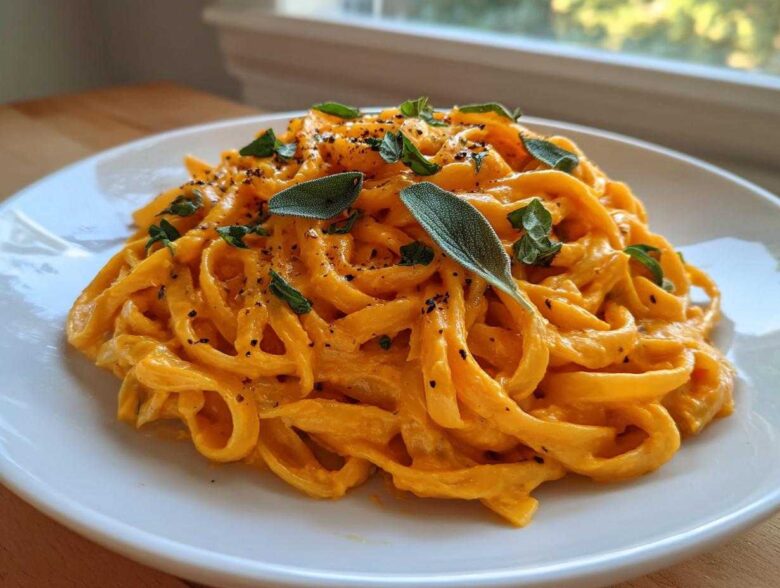
Oh my goodness, when the air starts getting that crisp bite, you know what that means, right? It’s time to haul out the soup pots, light the candles, and start making everything feel warm and cozy! For me, nothing screams “autumn comfort” louder than the perfect butternut squash pasta. Forget those thin, watery sauces you sometimes end up with—we are going for the gold standard here!
I spent way too many autumns trying to get this texture just right. I mean, I love squash, but sometimes its natural grit just doesn’t want to blend nicely. After lots of testing (and maybe one or two disasters that tasted suspiciously like grainy baby food!), I finally nailed the trick for making the silkiest, most outrageously **ultra-creamy roasted butternut squash pasta** that’s absolutely ready even on a crazy Tuesday night. Trust me on this one; roasting the squash first is the secret handshake.
Why This Creamy Roasted Butternut Squash Pasta is Your New Favorite Fall Dinner Ideas
Okay, so why do I think you absolutely need to stop what you’re doing and try this recipe tonight? Because it solves practically every problem I have with weeknight cooking when I’m craving seasonal comfort food. It just hits all the right notes without needing a graduate degree in cooking!
- It’s genuinely ultra-creamy! We get that incredible texture just from the squash and a splash of cream—no weird additives needed.
- The primary flavor comes from roasting the squash, which concentrates that beautiful, slightly sweet, earthy taste we all love in savory squash recipes.
- It’s super fast for a busy night! Roasting happens passively while you prep other things, making this a fantastic easy weeknight pasta option.
- It captures those true cozy autumn meals vibes with just the right amount of nutmeg, turning a simple vegetable into something truly special.
Ingredients for the Ultra-Creamy Butternut Squash Pasta
When you gather these ingredients, you’ll notice we aren’t using a ton of stuff. That’s the beauty of this recipe! High-quality base ingredients shine through, especially because we do some early heavy lifting by roasting that squash until it’s meltingly soft. Having everything prepped makes the final assembly lightning-fast, which is key for any roasted squash recipe!
Here’s what you need for four generous servings of this cozy autumn meal:
- 1 medium butternut squash—you want this to be about 2 pounds—halved lengthwise and all seeds scooped out.
- 2 tablespoons olive oil (This is for the sauce base, we’ll use more for roasting!).
- 1 small yellow onion, chopped up nicely.
- 2 cloves garlic, minced super fine—don’t skimp on the garlic, please!
- 1 cup vegetable broth.
- 1/2 cup heavy cream. Now listen closely: if you’re going dairy-free, swap this out 1:1 with full-fat canned coconut milk. That’s what I use sometimes and it is divine!
- 1/4 teaspoon ground nutmeg. This warmth is essential for those fall flavors.
- 1/4 teaspoon salt, plus more for roasting.
- 1/8 teaspoon black pepper.
- 12 ounces pasta—I usually grab fettuccine because the coils hug the sauce, but penne works great too!
- 2 tablespoons fresh sage leaves, chopped (Optional, but oh my gosh, it elevates this dish!).
- Grated Parmesan cheese for serving (Just for topping, if you like!).
Expert Steps: How to Prepare the Best Butternut Squash Pasta Sauce
This is where we turn a humble vegetable into the star of our show! The key to getting an incredible, deep flavor in your creamy pasta sauce is making sure you roast that squash perfectly. Don’t rush this part; the oven does most of the hard work for us, concentrating all that delicious, sweet butternut squash flavor. Once that’s done, the rest is just a quick zip in the blender!
Roasting the Squash for Deep Flavor
First things first: get your oven hot! We’re preheating to 400°F (200°C). Slice your squash right down the middle, scoop out those stringy seeds—you can save those later for roasting if you want to try crispy toppings! Drizzle the cut sides generously with olive oil and season with salt and pepper. Place them cut-side DOWN on your baking sheet. I learned the hard way that putting them cut-side down steams them perfectly and keeps the flesh super moist. Bake them for about 35 to 45 minutes. You know they are done when you can pierce the thickest part with a fork and it just sinks right in. Honestly, if it fights back, give it five more minutes!
Building the Flavor Base: Sautéing Aromatics
While that squash is busy in the oven, we start building the base notes for the sauce on the stovetop. Grab your large skillet and heat up that 2 tablespoons of olive oil over medium heat. Throw in your chopped onion and let it soften up until it looks translucent—that usually takes about 5 minutes. Don’t let it brown, we just want it soft! Then, toss in the minced garlic. Be careful here! Garlic burns fast, so as soon as you can really smell that incredible fragrance, usually about 60 seconds later, we are ready to move on to the next stage.
Achieving the Perfect Consistency for Your Butternut Squash Pasta
This section right here separates a good creamy pasta sauce from an absolutely legendary one. Once you scoop that soft, roasted squash flesh into the skillet with the broth and cream, it might look a little chunky, but don’t panic! The goal is total silkiness here, so we need to blend it until it’s almost impossibly smooth. The final texture has to be perfect for coating every single noodle in that delicious, savory squash puree.
The absolute biggest game-changer—and this is purely for expertise points—is making sure you save some of that starchy pasta cooking water before you drain your noodles. That cloudy water is liquid gold! It’s full of starch that helps the sauce emulsify. If your blended sauce looks a little tight or too thick straight out of the blender, just whisk in a few splashes of that reserved water until it loosens up to that perfect pouring consistency.
Blending Techniques for a Smooth Creamy Pasta Sauce
You have two ways to tackle the blending, and honestly, both work great if caution is used. If you have an immersion blender, that is the easiest way! You can just stick it right into the large sauce skillet (make sure it’s not on the heat!) and blend right there until you see no lumps whatsoever—just velvety smooth goodness. Be careful, because those hot liquids can splatter if you aren’t careful, so start slow!
If you are using a regular blender, you absolutely must transfer the mixture there carefully. Work in batches if necessary. Blend on high power until there are absolutely no traces of onion or squash strands left. We want a unified, completely homogenous sauce that clings beautifully. Once it’s blended silky smooth, return it to the pan over low heat, and that’s when you start adjusting the thickness using that famous pasta water we saved!
Finishing Your Easy Weeknight Pasta: Combining Sauce and Noodles
We are in the home stretch now, and this is the moment we’ve been waiting for! All that hard work roasting and blending finally comes together to create the absolute best easy weeknight pasta you’ve made all season. Since our creamy sauce is already smooth and ideally thinned out with a touch of starchy water, we just need to gently unite it with the noodles.
Take your drained pasta—remember, it should still be nicely al dente—and dump it right into the skillet containing that gorgeous, vibrant orange sauce. Turn the heat down to low. You want this gentle heat so the sauce doesn’t seize up or break, but it needs to be warm enough to coat everything thoroughly.
Now, toss, toss, toss! Use tongs and make sure every single piece of pasta gets a thick, luscious coating of that velvety sauce. If it looks a little dry while tossing, that’s when you add just one more splash of that reserved pasta water we kept on the side. It thickens it right back up while it heats through. If you decided to use the fresh sage, toss that in right at the end now. Watching those little green flecks stick to the orange sauce is just so satisfying!
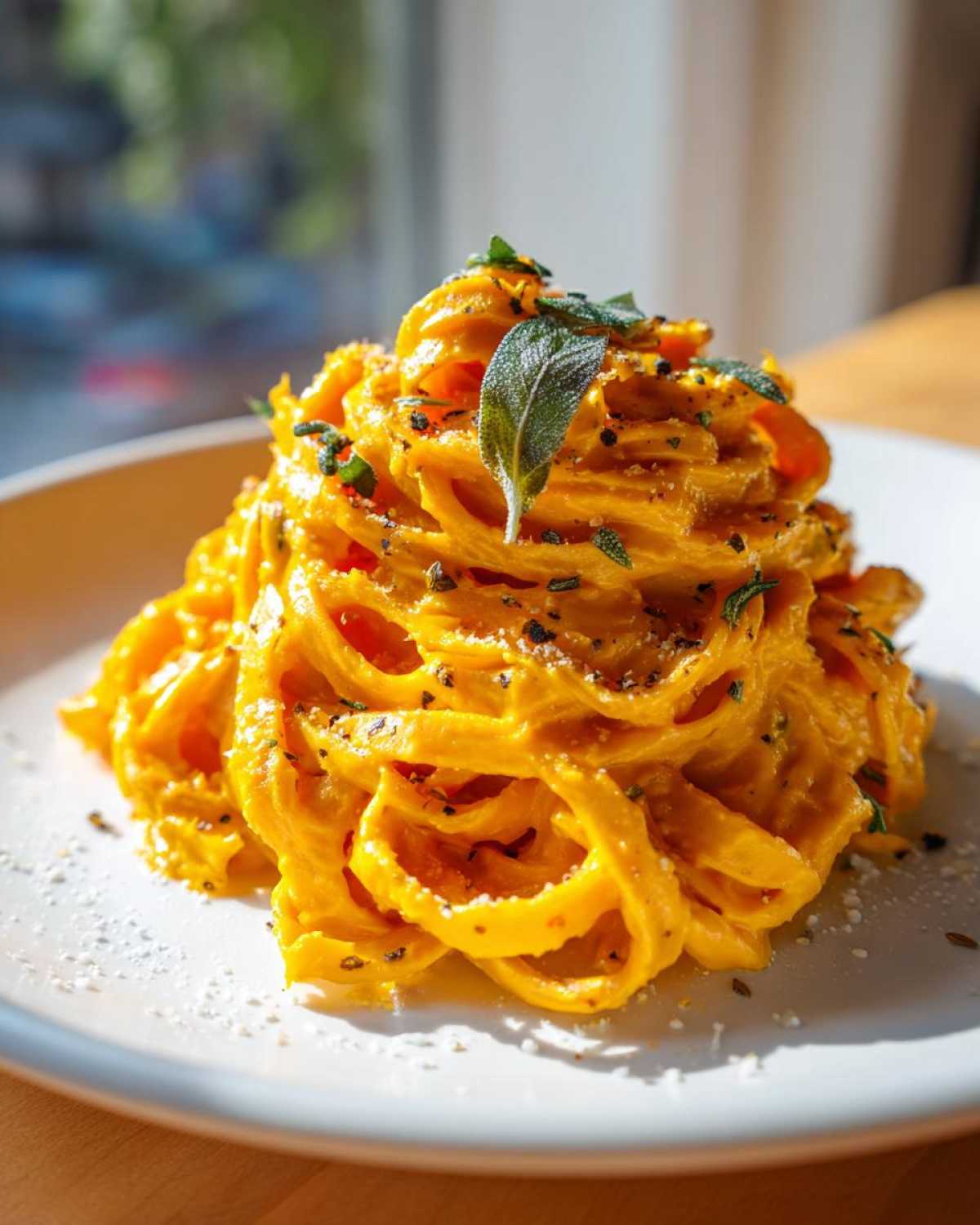
Serve it immediately! This dish is best piping hot. Finish off everyone’s bowl with a generous grating of salty Parmesan cheese—it melts right into the warm sauce, adding an extra layer of creamy flavor. Honestly, you’ll have this done from start to plate in about an hour, which is perfect for a busy weeknight!
Tips for Success with Roasted Squash Recipes
When you’re making this or any other butternut squash recipe, a few little adjustments can take it from good to absolutely unbelievable. I’ve learned these tricks over the years, and they really help ensure your results are consistently delicious, especially when dealing with roasting times and ingredient substitutions. Don’t be afraid to tweak things, because mastering the roast is key!
Here are my absolute top pointers for making sure this butternut squash pasta comes out perfectly, every single time:
- Go for Maple Syrup: If you have an extra two minutes, try adding a drizzle of maple syrup over the cut sides of the squash halves *before* you roast them. That touch of sweetness caramelizes beautifully in the oven (especially if you flip them cut-side up for the last 10 minutes!), giving the final sauce a depth of flavor that just can’t be beat. It’s my go-to trick for enhancing the natural sweetness of the squash.
- Creamy Substitute Check: Remember what I said about the heavy cream? If you are steering clear of dairy—and I totally get it!—using full-fat canned coconut milk is the secret weapon here. I’m not talking about the carton stuff you put on cereal; you need the thick, canned product. Because we are roasting the squash so intensely, the coconut flavor fades into the background, leaving you with an unbelievably rich and creamy sauce, without any dairy greasiness!
- Keep it Warm For Blending: This is small, but it matters! If you’re letting your roasted squash flesh sit for a while, it starts to chill quickly. It’s much easier to get that silky smooth texture if the squash is still warm when you add it to the blender with the broth. If it’s cold, your sauce can end up looking a little duller, so time your sautéing of the onions to finish just after the squash comes out of the oven.
- Don’t Fear the Broth Substitution: While I listed vegetable broth because this is primarily a vegetarian comfort food, if you’re cooking for meat-eaters and you happen to have some good leftover chicken broth kicking around, go for it! A quality broth adds a savory background note that makes the final dish taste like it simmered all day, even though it only took an hour.
Variations on This Butternut Squash Pasta
I absolutely love that this recipe—our amazing butternut squash pasta—is flexible, because sometimes you need to tweak things based on what you have or what you’re craving! This sauce is so robust from the roasting process that it stands up beautifully to additions. If you’re making this for a heartier crowd, you don’t need a whole new recipe; you just need a few extra steps!
My favorite thing to add when I want something really savory is browned Italian sausage. Just brown about half a pound of spicy or sweet sausage in that skillet *before* you sauté your onions. Drain off most of the grease, but leave just a little drizzle behind—that fat tastes incredible mixed into the puree! If you’re looking for a little kick that really complements the sweet squash and earthy sage, try dropping in just a pinch of cayenne pepper when you add the nutmeg. It gives you this amazing little warmth on the back end without making the whole dish spicy, which is perfect for those fall dinner ideas.
Making a Dairy Free Butternut Squash Pasta Version
This is the variation I get asked about constantly, and I’m so happy to report it results in a sauce that is just as thick and decadent as the full cream version! If you are trying to keep this recipe totally vegetarian, or maybe you’re just out of heavy cream, the substitution is so simple: use full-fat canned coconut milk instead. I’m serious!
Now, I know what you’re thinking—coconut in my savory squash pasta? But trust me, when you roast that squash until it’s deeply caramelized, the distinct coconut flavor actually melts away almost entirely during the blending process. What you are left with is pure, velvety texture that clings beautifully to the pasta. Because roasting brings out the natural sugars so much, the sauce tastes rich and balanced, even without the dairy fats. It’s truly one of the best ways to create a delicious pasta with vegetable sauce that everyone can enjoy!
Frequently Asked Questions About Butternut Squash Pasta
I get so many emails after people try this recipe, and I totally get it—when you find a truly great vegetarian comfort food, you want to make sure you’ve covered all your bases! Here are some of the most common things people ask me when they are about to make this cozy dish.
Can I make this butternut squash pasta completely vegan?
Absolutely! This is one of my favorite things about this recipe—it’s so adaptable. To make this recipe fully vegan (or dairy-free, as we talked about), you just need to swap out two ingredients. First, use the full-fat canned coconut milk instead of the heavy cream. Second, skip the Parmesan cheese topping, or use a good quality vegan Parmesan substitute. Honestly, that roasted squash base is so rich you barely miss the dairy!
How long does leftover butternut squash pasta last in the fridge?
It keeps really well, but just like any creamy pasta dish, it does tend to tighten up a bit after a night in the cold. If stored in an airtight container, it’s usually good for about 3 to 4 days in the refrigerator. When you reheat it, you must add a splash of moisture to bring it back to life. I typically use a little bit of water or extra broth—never microwave it totally dry!
My sauce isn’t as creamy as yours; why is my butternut squash pasta grainy?
Oh, that grainy texture is the absolute enemy, I hate that for you! Usually, this means the squash wasn’t roasted long enough or wasn’t blended aggressively enough. Remember, we want it so tender that it practically liquefies when touched. If your squash was borderline hard, you didn’t cook out enough of the starchy fiber. Make sure when you blend, you go for what feels like an eternity—if you’re using an immersion blender, keep pushing it down and back until you see absolutely zero texture remaining. The starch in that reserved pasta water also helps bind it into that smooth consistency!
Can I freeze the leftover sauce?
Yes, you totally can! The sauce freezes beautifully, but I recommend freezing it *before* you add it to the cooked pasta. Once the sauce is blended smooth, let it cool completely, then seal it up in a freezer-safe bag or container. It’s great for lunch prep later on! When you’re ready to use it, thaw it overnight in the fridge, reheat gently on the stove, and thin it out with broth or water as needed before tossing it with fresh, freshly cooked noodles.
Storing and Reheating Your Butternut Squash Pasta
Even though this butternut squash pasta is an absolute dream fresh out of the pan, sometimes you just have leftovers—and hello, that’s a bonus lunch the next day, right? But you have to treat leftovers right, especially when they involve a delicate, creamy sauce like this one. If you just try to microwave it straight from the fridge, you are going to end up with something that looks like orange glue, yuck!
The key to successful reheating is moisture and low heat. If you store any remaining pasta in an airtight container in the fridge, it’ll be good to go for about 3 to 4 days. When you are ready for round two, don’t just throw it in the microwave for a minute. That high, quick heat tends to break down the sauce, making it separate or dry out the noodles themselves.
Instead, I highly recommend reheating this on the stovetop. Move the leftovers to a saucepan and set the heat to low. Before you even turn the burner on, add a little bit of liquid—I usually grab a splash of vegetable broth, but even plain water works! You’re looking for maybe one tablespoon for every serving you are reheating. As the pan warms up slowly, the liquid gets absorbed, loosening up the sauce again and bringing back that beautiful, velvety texture we worked so hard to achieve in the original batch. Toss it constantly over that low heat until it’s steaming hot throughout. It’s so worth the extra two minutes of stovetop time to get that perfect, comforting texture back. Enjoy!
PrintUltra-Creamy Roasted Butternut Squash Pasta
Make a rich, creamy pasta sauce using roasted butternut squash. This recipe is simple enough for a weeknight meal and captures classic fall flavors.
- Prep Time: 15 min
- Cook Time: 45 min
- Total Time: 60 min
- Yield: 4 servings
- Category: Dinner
- Method: Roasting and Stovetop
- Cuisine: American
- Diet: Vegetarian
Ingredients
- 1 medium butternut squash (about 2 lbs)
- 2 tablespoons olive oil, plus more for roasting
- 1 small yellow onion, chopped
- 2 cloves garlic, minced
- 1 cup vegetable broth
- 1/2 cup heavy cream (or full-fat coconut milk for dairy-free)
- 1/4 teaspoon ground nutmeg
- 1/4 teaspoon salt
- 1/8 teaspoon black pepper
- 12 ounces pasta (fettuccine or penne work well)
- 2 tablespoons fresh sage leaves, chopped (optional)
- Grated Parmesan cheese, for serving (optional)
Instructions
- Preheat your oven to 400°F (200°C). Cut the butternut squash in half lengthwise and scoop out the seeds. Drizzle the cut sides with olive oil, salt, and pepper. Place cut-side down on a baking sheet.
- Roast the squash for 35 to 45 minutes, or until it is very tender when pierced with a fork. Let it cool slightly, then scoop the flesh out of the skin into a bowl. You should have about 2 cups of cooked squash.
- While the squash roasts, cook the pasta according to package directions until al dente. Reserve about 1 cup of the starchy pasta water before draining.
- In a large skillet over medium heat, add 2 tablespoons of olive oil. Sauté the onion until soft, about 5 minutes. Add the garlic and cook for 1 minute more until fragrant.
- Add the roasted squash flesh, vegetable broth, heavy cream (or coconut milk), nutmeg, salt, and pepper to the skillet. Stir well.
- Use an immersion blender or carefully transfer the mixture to a regular blender. Blend until the sauce is completely smooth and creamy. If the sauce is too thick, add a splash of the reserved pasta water until you reach your desired consistency.
- Return the sauce to the skillet over low heat. Add the drained pasta and toss to coat everything evenly. If using, stir in the fresh sage.
- Serve immediately, topped with grated Parmesan cheese if desired.
Notes
- For an even deeper flavor, roast the squash halves cut-side up with a drizzle of maple syrup before roasting.
- If you want a richer sauce without dairy, use full-fat canned coconut milk instead of heavy cream.
- You can substitute the vegetable broth with chicken broth if you are not making a vegetarian dish.
Nutrition
- Serving Size: 1 serving
- Calories: 550
- Sugar: 10
- Sodium: 450
- Fat: 20
- Saturated Fat: 10
- Unsaturated Fat: 8
- Trans Fat: 0
- Carbohydrates: 80
- Fiber: 10
- Protein: 18
- Cholesterol: 40